Making Family Game Nights Work for All Ages
Parents know the idea of family game nights sounds simple, yet the reality can feel chaotic when attention spans clash and enthusiasm fades halfway through. When making family game nights work for all ages, flexibility matters more than rigid plans. When expectations stay realistic and the focus remains on connection, short, slightly messy evenings can feel worthwhile. A thoughtful method can turn a once-forgotten routine into something the whole household looks forward to.
Start With Low-Pressure Game Choices
Jumping straight into complex board games can stall momentum, especially when younger kids struggle to follow long instructions while older ones lose interest. Choosing games with simple rules and quick rounds creates a smoother start, since everyone can participate without needing long explanations or constant reminders.
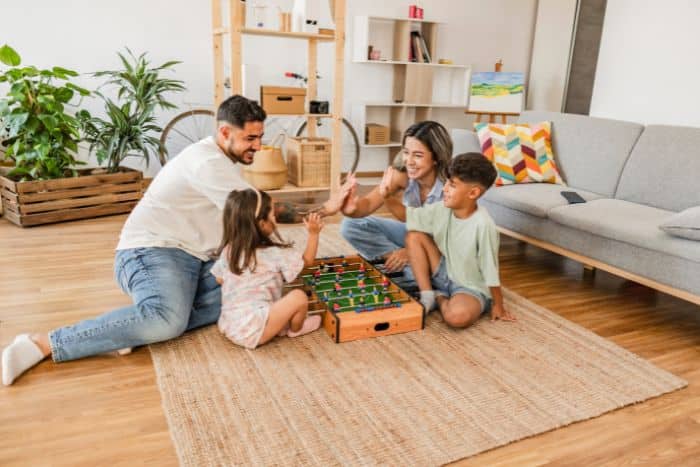
Games that involve movement or hands-on interaction tend to hold attention longer, particularly when they allow players to improve gradually without feeling stuck. Tabletop options fit well here because they combine coordination and friendly competition, and introducing something like learning the basics of foosball gives kids a chance to pick up skills quickly while still enjoying the moment.
Rotate Roles To Keep Kids Invested
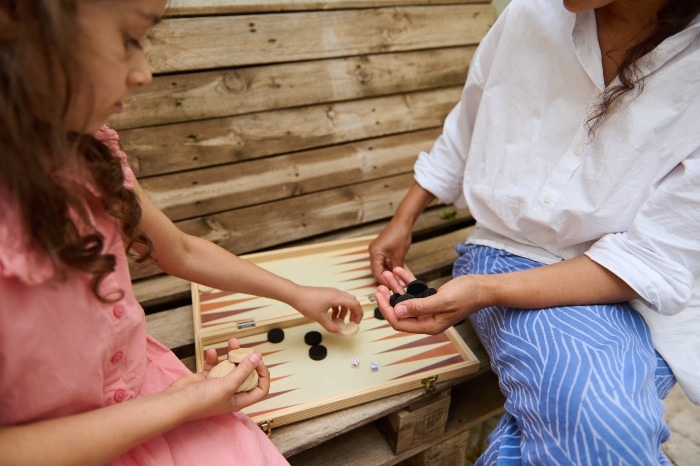
Children tend to stay engaged when they feel a sense of ownership, which makes rotating roles an effective way to maintain interest across the night. Letting one child choose the game while another keeps score creates small moments of responsibility that feel meaningful without adding pressure.
When kids take turns leading, they become more patient with each other’s preferences, and the evening feels less like a structured activity and more like shared time. This approach reduces resistance, especially when siblings have different personalities or competitive styles.
Keep the Flow Flexible
Rigid schedules can make game night feel like another task, so allowing the evening to evolve naturally tends to create a better atmosphere. Some nights might lean toward fast-paced games, while others slow down into conversation and laughter between rounds.
Instead of aiming to complete a set number of games, focusing on how the group feels in the moment keeps the experience more enjoyable. If energy dips, switching activities or taking a short break can reset attention without ending the night entirely.
Balance Competition With Connection
Competition can energize game night, yet it can just as easily create tension if not managed thoughtfully. Encouraging lighthearted play, where winning feels secondary to participation, makes the experience more inclusive for younger children who may still be learning.
Parents can model this balance by celebrating effort and small improvements. This builds confidence and keeps the atmosphere supportive, even when the games themselves become more challenging.
Bringing It All Together for Lasting Memories
At its core, making family game nights work for all ages comes down to creating space for connection without overcomplicating the process. When games remain accessible, roles rotate naturally, and expectations stay flexible, the experience feels less like an obligation and more like a shared tradition.