
How to Deal with a Bully
Is your child being bullied? Learn how to deal with a bully and help your child have the confidence to turn in the bully. Bullying isn’t just a childhood problem—it happens in schools, workplaces, online spaces, and even within families. No matter where it occurs, the impact can be deeply personal, affecting confidence, mental health, and overall well-being.
The good news? You are not powerless. While you can’t control someone else’s behavior, you can control how you respond—and that response can make all the difference. Use our guide and learn how to deal with a bully.
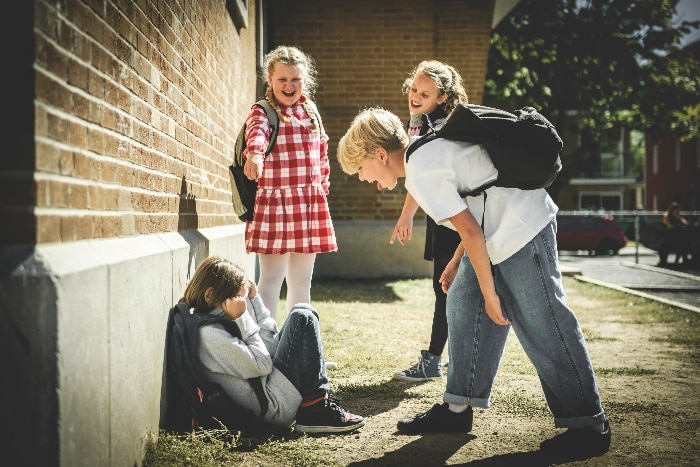
Understanding What Bullying Really Is
Bullying is repeated behavior intended to intimidate, harm, or control another person. It may be:
- Verbal (insults, threats, teasing)
- Emotional (manipulation, exclusion, humiliation)
- Physical (pushing, hitting, damaging belongings)
- Digital (harassment through social media, texts, or emails)
Recognizing bullying for what it is—unacceptable behavior—is the first step toward addressing it.
Stay Calm and Grounded
Bullies often seek emotional reactions. When they don’t get one, their power weakens.
- Keep your voice steady and your words brief
- Avoid insults or escalating the conflict
- Use confident body language, even if you don’t feel confident yet
You don’t have to win an argument—you just have to protect your peace.
Set Clear, Firm Boundaries
Assertive communication sends a strong message without aggression.
Examples:
- “That comment is not okay. Stop.”
- “I don’t tolerate being spoken to like that.”
- “This conversation is over.”
Say it once clearly. If the behavior continues, it’s no longer about communication—it’s about enforcement.
Limit Engagement
You are not required to engage with someone who disrespects you.
- Walk away when possible
- Avoid being alone with the bully
- Online: block, mute, and report immediately
Distance is not avoidance—it’s self-protection.
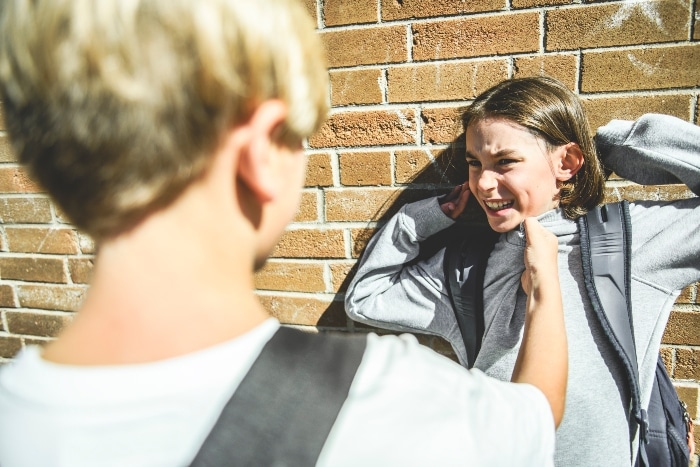
Document Everything
If bullying is ongoing, documentation is critical.
Write down:
- Dates and times
- What was said or done
- Who witnessed it
- How it affected your work, school, or well-being
This record can be invaluable if you need to escalate the situation.
Ask for Support Early
Silence protects bullies, not victims.
Reach out to:
- A trusted friend or family member
- A teacher, counselor, manager, or HR representative
- School or workplace administrators
Asking for help is not a sign of weakness—it’s a sign of self-respect.
Strengthen Your Support System
Being around supportive people helps rebuild confidence and perspective.
- Spend time with people who uplift you
- Join groups or activities that reinforce your strengths
- Practice self-care to counteract stress and self-doubt
A strong support system reminds you of who you are beyond the bullying.
Remember: This Is Not Your Fault
Bullies act out of insecurity, fear, or a desire for control. Their behavior says far more about them than it ever will about you.
You did nothing to deserve mistreatment.
Know When to Escalate
Always report bullying that involves:
- Threats or violence
- Harassment or discrimination
- Repeated behavior after clear boundaries were set
Policies and protections exist for a reason. You have every right to use them.
Dealing with a bully can feel overwhelming, but you are not alone—and you are not powerless. By setting boundaries, seeking support, and prioritizing your well-being, you take back control.
Standing up to bullying doesn’t always look loud or dramatic. Sometimes, it looks like calm confidence, asking for help, or choosing yourself over conflict. And that is strength. Don’t let bullying destroy your confidence; instead, learn how to deal with a bully by applying tactics in this guide.






2 Comments