How to Declutter With Kids Without the Meltdowns
You finally get one room looking decent, and then someone dumps out a bin of blocks, leaves three single shoes in the hallway, and insists a broken party favor is their favorite toy. If you are wondering how to declutter with kids without turning your home into a negotiation battlefield, you are not alone. We do understand that it is necessary to declutter the house. So we wanted to share with you some tips on how to declutter with kids without the meltdowns.
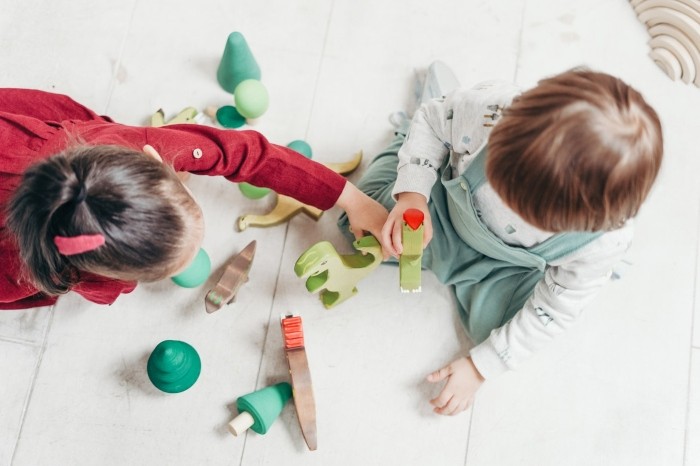
Decluttering with children is different from decluttering before kids. You are not just sorting stuff. You are working around short attention spans, big feelings, shifting routines, and the fact that kids can form deep attachments to the most random objects in the house. That does not mean it is hopeless. It just means your plan has to fit real family life.
Why How to Declutter With Kids Feels so Hard
A lot of parenting advice makes home organization sound like a simple matter of discipline. But clutter around kids usually builds for understandable reasons. Clothes sizes change quickly. School papers multiply overnight. Birthday gifts, holiday toys, hand-me-downs, art supplies, sports gear, and sentimental baby items all pile up faster than most parents can process.
Then there is the emotional side. Parents may feel guilty getting rid of things that were expensive, gifted by family, or tied to a special stage. Kids may feel anxious when familiar objects disappear, even if they have not touched them in months. If your child struggles with transitions or likes predictable routines, a sudden cleanout can feel upsetting instead of helpful.
That is why the best approach is usually slower and more collaborative than a big weekend purge. Fast results can feel satisfying, but they do not always last if your systems are too complicated or your child feels steamrolled. It’s so hard to learn how to declutter with kids, but it is possible to get it done without the guilt.
Start With Your Stuff Before You Touch Theirs
If your goal is a calmer home, begin with the areas your kids do not control. Tackle the overflowing kitchen drawer, the entryway catch-all, or your own closet before you ask your child to sort toys. This does two things. First, it creates visible progress without a power struggle. Second, it models the behavior you want to see.
Kids notice more than we think. When they see you donating clothes that no longer fit or tossing dried-up markers without drama, decluttering starts to look normal instead of threatening. It also helps you separate what really belongs to your child from what has simply landed in their room because no one had time to deal with it.
Choose the Easiest Wins First
When parents think about how to declutter with kids, they often start with the most emotionally loaded category, like stuffed animals or keepsakes. That can backfire quickly. Start with low-stakes items instead. Broken crayons, dried-out playdough, toys missing pieces, outgrown pajamas, duplicate water bottles, and expired kids’ meal trinkets are all easier places to begin.
A child who resists getting rid of favorite toys may still agree that a puzzle with half the pieces is not useful anymore. That early success matters. It builds trust and shows your child that decluttering does not mean losing everything they love.
Keep the Process Short and Specific
Long decluttering sessions are tough for adults, and they are even harder for kids. Instead of announcing that you are cleaning out the whole bedroom, narrow the task. Try one shelf, one toy bin, or one dresser drawer. A small, clear goal feels manageable.
This is especially helpful for younger kids. Telling a preschooler to “clean your room” is vague and overwhelming. Telling them to pick five toys they no longer use is concrete. Elementary-age kids can usually handle a little more responsibility, but they still do better with short sessions than marathon cleanouts.
If your child is tired, hungry, or already frustrated, save it for another time. Decluttering goes better when kids are regulated. That sounds obvious, but it matters more than any organizing method.
Give Kids a Job, Not Full Control
Children need a voice in the process, but they do not need to make every decision. That is a lot of pressure, and it can lead to stalled progress. A better middle ground is giving them limited choices within boundaries you set.
You might say, “We are making space on this bookshelf. You can choose which books stay on this shelf.” Or, “We are donating some toys today. Pick three you are ready to pass along.” This keeps the parent in charge of the goal while letting the child participate in a way that feels safe.
For younger children, visual choices help. Hold up two items and ask which one they still play with more. For older kids, talk through space limits. If all the art supplies have to fit in one container, they can decide what earns a spot. This is one of our favorite tips when it comes to how to declutter with kids.

Use Containers as Limits, Not Storage Excuses
Bins are helpful, but they are not magic. A home full of pretty baskets can still be full of clutter. The better way to use containers is as natural limits. If the stuffed animals fit in one basket, great. If they spill into three corners of the room, it is time to edit.
This works because the boundary is easy for kids to understand. The rule is not “Mom says you have too much.” The rule is “These toys need to fit here so you can find them and put them away.” That feels more practical and less personal.
It also helps you avoid organizing items your family does not really need to keep. Sometimes the issue is not a lack of storage. It is simply too much stuff.
Be Careful With Sentimental Items
Some clutter is easy to toss. Some is not. Baby clothes, first drawings, holiday crafts, and little notes from school can hit parents harder than the kids. If that is where you get stuck, give yourself a separate system for sentimental things instead of mixing them into everyday storage.
A memory bin for each child can work well. So can one folder for school art from each year. The key is giving those items a home and a limit. You do not have to keep every finger painting to honor your childhood memories. Saving a thoughtful sample usually does the job.
If your child wants to keep every paper scrap they bring home, try a simple routine. Display a few favorites for a week or two, then choose what to save and what to let go. Taking a photo before recycling can also make parting with it easier.
Expect Some Pushback and Plan for It
Even with a good plan, there may be tears. That does not automatically mean you are doing it wrong. Kids often react to change before they adjust to the benefit of it.
What matters is how you handle those moments. Stay calm. Validate the feeling without abandoning the boundary. You can say, “I know you are upset. It is hard to let go of things. We are still making room so your toys are easier to use.” That response is more helpful than arguing about whether they really need six broken Happy Meal toys.
It is also okay to set aside a maybe box for items your child feels unsure about. Seal it, store it out of sight, and revisit it in a month or two. Many kids forget what was in it, which tells you something. If they ask for a specific item and still use it, you can pull it back out.
Build Decluttering into Regular Family Life
The biggest mistake many families make is treating decluttering as a one-time project. With kids, new clutter is always coming in. That means your home needs a rhythm, not just a reset.
A quick toy edit before birthdays and holidays helps a lot. So does a seasonal check for outgrown clothes and shoes. End-of-school-year paper sorting can prevent those stacks from taking over your counters by July.
You do not need a perfect schedule. You just need a few repeat moments when your family naturally reevaluates what stays. Regular maintenance is much easier than waiting until every closet is bursting.
Make it Easier to Keep the House Manageable
Decluttering is only half the battle. Your home also has to be simple enough to maintain on an average Tuesday. If kids cannot easily see what they have, reach it, and put it back, the system is probably too complicated.
Open bins, low shelves, and clearly defined spaces tend to work better than detailed organizing systems that require constant adult oversight. Rotating toys can also help if your child gets overwhelmed by too many choices. Fewer items out at one time often means deeper play and less mess.
This is where realistic parenting matters. The goal is not a showroom. The goal is a home that functions better for your family.
When to Declutter Without Your Child
There are times when involving your child is helpful, and times when it is not. If you are dealing with obvious trash, broken items, outgrown baby gear your child no longer uses, or things they have clearly forgotten about, you may not need a formal discussion.
That said, trust matters. Quietly removing treasured belongings can backfire if your child notices and feels blindsided. A good rule is this: if the item is truly meaningful to them, include them. If it is household overflow they do not care about, handle it yourself.
For many busy parents, a mix of both is the sweet spot. You do some behind-the-scenes editing, then bring your child in for the decisions that affect them most.
At Ice Cream n Sticky Fingers, we know family life is rarely neat and rarely quiet. But a less cluttered home can make everyday parenting feel lighter. Start small, stay consistent, and let progress count even when it is imperfect. A calmer room often begins with one drawer, one bin, and one less thing to trip over tomorrow. But we also wanted to share how to declutter with kids without the meltdowns, so that decluttering is effective.