5 Spring Cleaning Projects That Teach Generosity to Kids
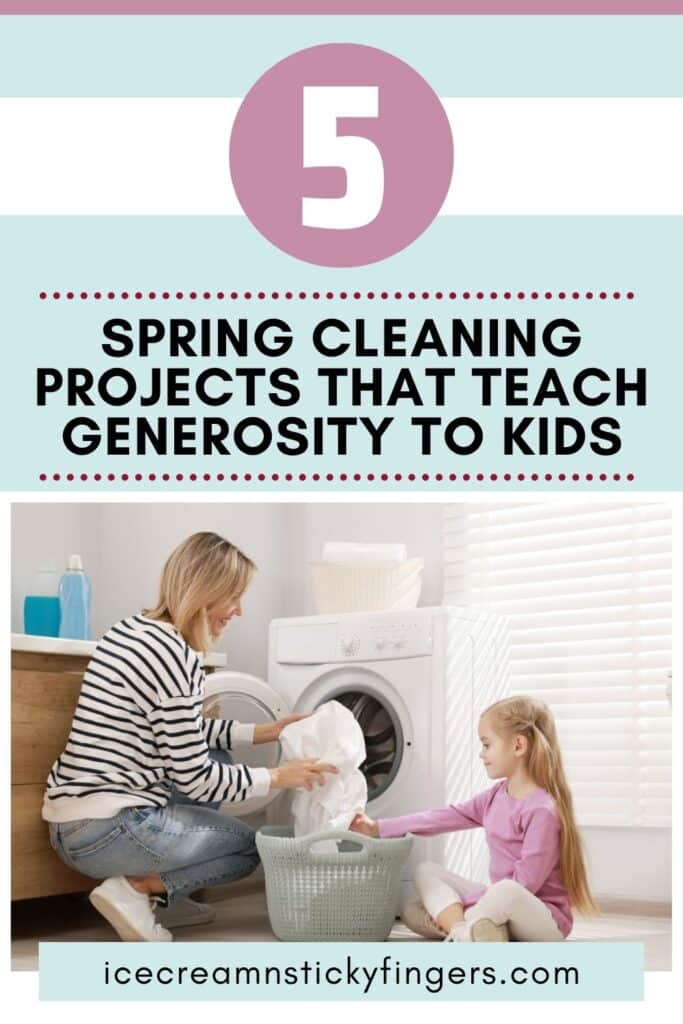
Are you looking for some spring cleaning projects that teach generosity to kids? Spring cleaning sounds like another chore, and kids push back when they feel forced into it. You might want to teach generosity, but it’s hard to connect that idea to sorting closets and clearing shelves. Instead of treating cleaning as a task, you can turn it into a set of hands-on experiences that show kids how their choices help others. These 5 spring cleaning projects that teach generosity will help shift the focus from “getting rid of stuff” to giving with purpose.

Turn Closet Cleanouts Into Giving Decisions
Start in your child’s closet and guide them through each item with intention. Ask them to choose clothes they’ve outgrown, items they don’t wear, pieces they forgot about, and duplicates they don’t need. This approach gives them ownership of what they give and doesn’t force their decisions. When kids feel involved, they connect their actions to real impact.
You can also talk through where these items go and who might use them next. That simple conversation builds awareness and makes generosity feel real. This is a great way to teach spring cleaning projects that teach generosity.
Build a “Ready-To-Donate” Sorting System
Create a simple system with labeled bins so kids can sort items as they clean. Use categories like books, clothing, school supplies, and toys to keep things organized and easy to manage. This step turns a messy cleanout into a structured activity that kids can follow without confusion.
As you sort books together, you might reference your local library for a list of commonly requested donation items to help your kids understand what others actually need. This adds context and helps them make smarter choices.

Create Care Packages With a Purpose
Once you’ve gathered items, shift into building something meaningful. Kids can group items into simple care packages that feel thoughtful and complete. Let them combine snacks, hygiene products, small toys, and school supplies into bundles they’d feel proud to give.
This step moves beyond cleaning and into creating something intentional. Kids see how small items come together to support someone else in a real way.
Set Up a Family Donation Day
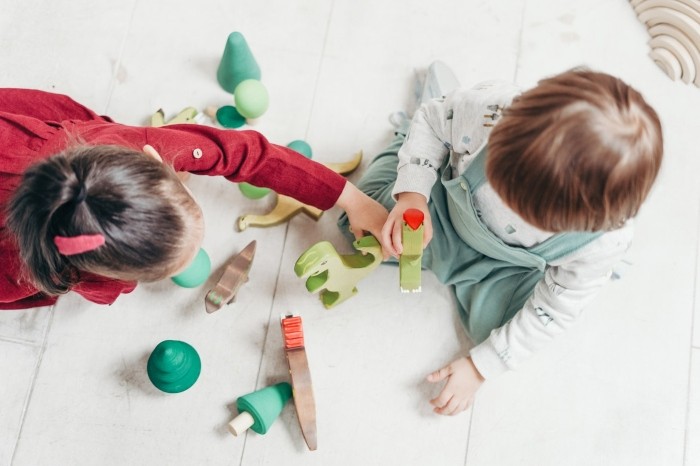
Turn the final step into an event instead of a drop-off errand. Plan a day where your family organizes donations, packs items neatly, writes short notes, and delivers everything together. This shared experience reinforces the idea that giving doesn’t happen in isolation.
You can even add small responsibilities, so each child plays a role. Someone can pack items while another labels boxes or helps load everything for delivery.
Use Reflection To Reinforce Generosity
After you complete your projects, take a few minutes to talk about the experience. Ask what felt easy or difficult, and what made them feel proud.
These conversations help kids process what they did and why it matters. You don’t need a long discussion; a simple recap connects the action to the value behind it. Use this as a time to explain how your spring cleaning projects that teach generosity could help benefit other people who are in need or just went through a rough patch, ie divorce or fire.
These spring cleaning projects teach children about generosity through ongoing activities, rather than lectures or one-time efforts. You don’t need a perfect system or a full day to make this work. Start small and let your kids take the lead where they can. Over time, these moments shape how they think about giving, helping, and showing up for others.