11 Family Travel Tips With Toddlers
You know the moment that you finally get everyone loaded into the car or settled at the gate, and your toddler – who was perfectly happy five minutes ago – suddenly needs a snack, a diaper change, and a different shirt. Family travel tips with toddlers are less about creating a perfect trip and more about staying one step ahead of the tiny surprises that can turn a simple outing into a long day.
The good news is that traveling with a toddler does get easier when you adjust your expectations and your plan. Toddlers do not need a packed itinerary or picture-perfect memories. They need food before they are starving, rest before they are melting down, and enough familiarity to feel safe in a new place. Once you build your trip around that reality, travel starts to feel a lot more manageable.
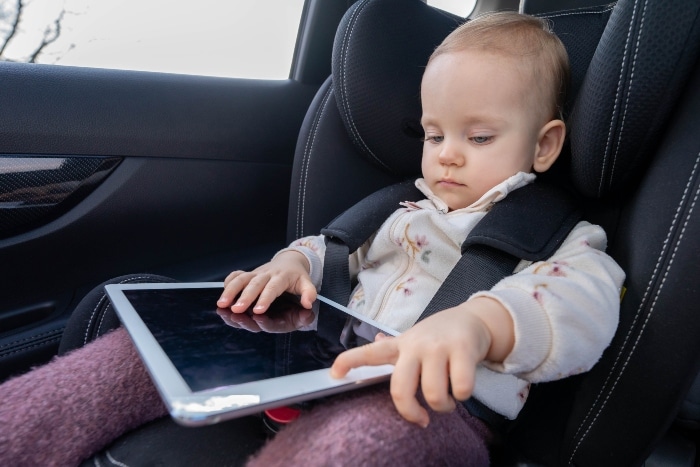
Family Travel Tips With Toddlers Start Before You Leave
A smoother trip usually starts at home. The biggest mistake many parents make is focusing only on the destination and not on the transitions. For toddlers, transitions are often the hardest part. Leaving the house, sitting still, skipping naps, eating at odd times, and sleeping somewhere unfamiliar can all stack up fast.
That is why prep matters so much. A day or two before your trip, talk through what is coming in simple terms. You might say, “We are riding on an airplane to visit Grandma,” or “We will sleep in a hotel for two nights.” Toddlers do better when something feels familiar, even if it is brand new.
It also helps to pack earlier than you think you need to. Last-minute packing usually leads to forgotten basics, and basics matter more than extras when you are traveling with little kids. If your toddler has a favorite cup, blanket, sound machine, or bedtime book, those comfort items deserve space in the bag before the cute outfits do.
Pack for the Hard Parts, Not Just the Fun Parts
It is easy to pack for best-case scenarios. Parents usually do better when they pack for delays, boredom, and messes. That does not mean bringing your whole house. It means being honest about what typically goes wrong with your child.
Suppose your toddler gets cranky when hungry, so pack snacks. If they hate wet clothes, bring extra outfits in your carry-on or day bag. If they struggle to fall asleep in bright rooms, pack something that helps recreate bedtime, like a portable sound machine or a familiar sleep sack.
The most useful packing strategy is to separate what you need by timing. Keep immediate essentials within reach and everything else tucked away. You should not have to unpack half your bag to find wipes during a diaper emergency.
A few things consistently earn their spot: more snacks than seems reasonable, wipes for everything, one full change of clothes for your toddler, a shirt for you if someone gets sick or spills, diapers or pull-ups even if your child is mostly potty trained, and a couple of quiet activities that feel new. New does not have to mean expensive. A small sticker book or a toy they have not seen in a while can buy you valuable time.
Timing Matters More Than the Destination
One of the most practical family travel tips with toddlers is to plan around your child’s rhythm as much as possible. That may sound obvious, but it is often where trips go sideways. When naps, meals, and bedtime get pushed too far, toddlers usually let everyone know.
If you have flexibility, travel during the window when your child is typically most pleasant. For some toddlers, that is early morning. For others, it is right after breakfast. A late afternoon departure might work for adults, but it can be rough for a child who tends to unravel before dinner.
That said, there is no magic time that works for every family. Some toddlers nap beautifully in the car and nowhere else. Some sleep on planes, and some absolutely do not. It depends on your child, the length of the trip, and how much schedule disruption they can handle before things get hard.
This is one area where parents can save themselves a lot of stress by choosing good enough over ideal. If you cannot preserve the schedule perfectly, protect the parts that matter most. For many families, that means making sure naps happen somehow and not skipping meals while in transit.
Build in Buffer Time Everywhere
Toddlers make almost everything take longer. That is not failure. It is just math.
Give yourself extra time to get out the door, extra time for bathroom breaks, and extra time between arrival and any planned activity. A toddler who has just spent hours in a car seat or on a plane usually does not want to jump straight into a restaurant meal or a museum visit. They need space to move, reset, and adjust.
Buffer time is especially helpful on travel days because so much is outside your control. Flights get delayed. Traffic gets bad. Check-in takes longer than expected. When your schedule is packed too tightly, every small hiccup feels bigger. When you leave breathing room, those same hiccups stay annoying instead of becoming trip-ruining.
Keep Meals and Snacks Simple
Food can make or break a travel day. Toddlers often eat less predictably when routines are off, and they may reject foods they normally like. That is why familiar, easy options matter.
Try not to rely on finding the perfect meal at the perfect time. Carry snacks that include at least one safe choice your toddler almost always eats. Think practical and low mess when possible. Dry cereal, crackers, fruit pouches, cheese, and simple bars tend to travel better than foods that require utensils or refrigeration for extended periods.
At restaurants, flexibility helps. A sit-down meal after a long travel day can be a lot to ask from a tired toddler. Sometimes, takeout in the hotel room or an early casual dinner works better for everyone. Vacation is still vacation, even if one meal happens in pajamas with apple slices on the bed.

Choose Sleep Support Over Sleep Perfection
Sleep is often the part parents worry about most, and for good reason. A poorly rested toddler can make the next day feel much harder. Still, travel sleep is rarely perfect. The goal is support, not perfection.
Bring a few cues from home so bedtime feels recognizable. That might be the same pajamas, the same short book, the same lullaby, or the same bedtime phrase you always use. Familiar routines can signal safety even in a new room.
It also helps to think through the sleep setup before you arrive. Will your toddler sleep in a crib, a pack and play, or in bed with you? Will the room be dark enough? Is bedtime likely to be delayed because of time zone changes or evening activities? There is no one right answer here. Some families protect bedtime carefully and plan the trip around it. Others accept a few off nights because the overall experience is worth it. Both approaches can be valid.
Expect Big Feelings and Plan for Them
Toddlers are not giving you a hard time. Most of the time, they are just having a hard time. Travel asks a lot of them. They have less control, fewer routines, more stimulation, and more waiting than usual. Even a fun trip can feel overwhelming.
That is why one of the best travel tools is not a gadget. It is your response. When a meltdown starts, staying calm really does help. That does not mean you have to be cheerful about it. It just means focusing on the need underneath the behavior. Are they hungry, tired, hot, overstimulated, or done sitting still?
Sometimes the fix is simple. A snack, a drink, a diaper change, a walk, or ten quiet minutes can turn things around. Other times, the answer is to leave the activity early and call it a win anyway. That can be disappointing, especially if you spent money or made plans, but forcing a toddler past their limit usually costs more than it saves.
Lower the Activity Count and Raise the Comfort Level
Parents often feel pressure to make the most of a trip. But with toddlers, doing less usually works better. One main activity a day is often enough, especially if travel itself is part of the excitement.
A packed schedule can look great on paper and feel exhausting in real life. Toddlers need downtime. They need room to play, snack, stare out the window, and do very ordinary things in between the memorable ones. Slowing down does not mean the trip is less special. It often means everyone enjoys it more.
This is especially true if you are traveling with more than one child or managing a lot on your own. At Ice Cream n Sticky Fingers, we know family life rarely goes exactly as planned, and travel is no exception. A lighter plan gives you space to pivot without feeling like the whole day is off track.
Let Go of What Travel is Supposed to Look Like
Some of the best trips with toddlers are not the most polished ones. They are the ones where you stop fighting reality. Maybe your child naps in the stroller instead of the hotel room. Maybe you skip the fancy dinner and eat sandwiches by the pool. Maybe the highlight of the trip is the hotel elevator, not the attraction you researched for weeks.
That does not mean your effort did not matter. It means you are traveling with a toddler, not with tiny adults. The more you can work with who your child actually is, the less frustrating the whole experience becomes.
If you are in a season where travel feels intimidating, start small. A one-night hotel stay, a short road trip, or a visit with family can build confidence before a bigger vacation. You do not need to prove anything. You are just learning what helps your family travel well, one trip at a time.
The trips may not be easy every minute, but they can still be worth taking. Sometimes all a family really needs is a little extra prep, a little more grace, and permission to call it a good trip even when it looked nothing like the original plan.