How to Avoid Boat Problems With Kids Onboard
If you’re looking to avoid boat problems with kids onboard, you already know the goal goes beyond comfort. You want a trip that stays safe, calm, and easy to manage once everyone leaves the dock. Kids change the pace on a boat because they need snacks, shade, bathroom breaks, and more attention than most adults expect.
A smoother day starts before launch, and here are a few practical tips for that perfect family boating day. Let’s take a look at how to avoid boat problems with kids onboard.
Set Up the Boat Before Kids Step On
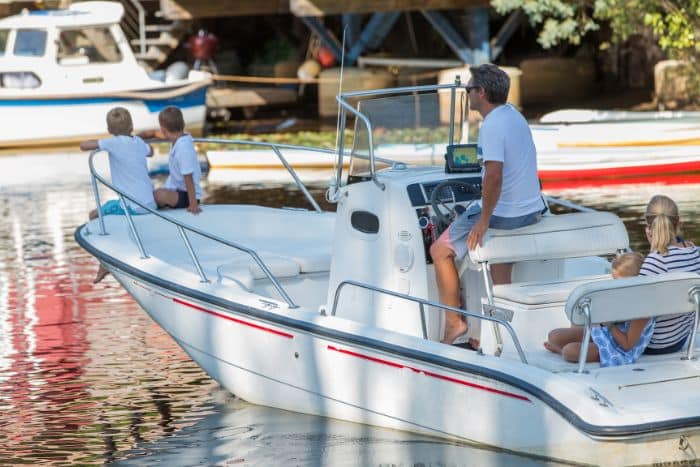
Most family boat problems start at the dock, not out on the water. Before you head out, ensure that life jackets fit anyone who climbs aboard and that every seat has enough space for kids to stay put when the boat moves.
Parents also need quick access to wipes, dry clothes, water, and sunscreen so the kids don’t pull your attention away from driving. When the boat feels organized from the start, you spend less time reacting and more time keeping the ride steady and safe.
Check the Systems You Usually Ignore
A family outing gets harder the second basic systems stop working. Test the lights, bilge pump, horn, radio, and battery before every trip, because kids don’t handle delays or breakdowns well once they’re hot, hungry, or bored.
This habit also helps you catch the common reasons your boat battery keeps dying, such as corroded terminals, old wiring, drained accessories, or a charging issue you didn’t notice during short solo runs.
Build the Day Around Kids
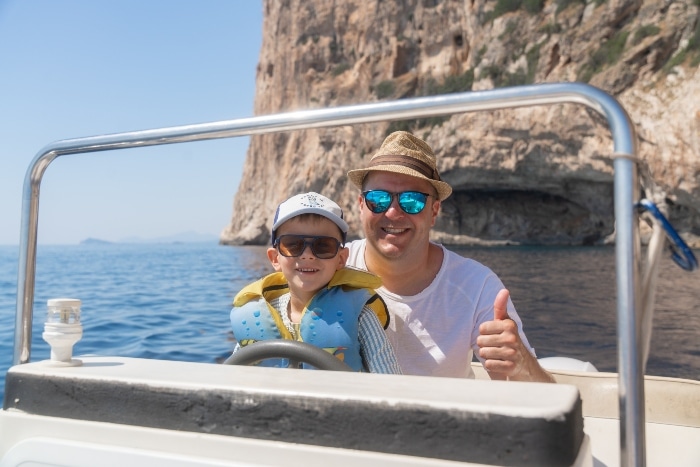
Parents run into trouble when they plan the day around how adults like to boat. Kids need shorter outings, slower transitions, and more breaks than most grown-ups want to admit, especially on bright, hot days with constant motion.
Start earlier, keep the route simple, and leave room for stops so you don’t push tired kids into whining, restlessness, or risky behavior near the water. Plan your schedule around your children’s energy levels, and you’ll notice fewer behavior issues.
Teach Rules Before You Need Them
Boat rules work best when kids hear them on land first. Tell them where they sit during movement, where they keep their hands, when they ask before standing, and what to do if they feel sick, scared, or too warm.
Clear rules give kids structure, and structure lowers chaos when the boat hits a wake, weather shifts, or another issue pops up without warning. Parents who repeat the same simple rules every trip usually avoid the scrambling and shouting that turn a fun outing into a mess.
Keep Your Exit Plan Simple
The smartest boat day includes a clean way out. Pack so you can head back quickly if the weather changes, someone gets cranky, or the water turns rough enough to make kids uneasy.
You don’t need to squeeze every minute from the trip when your family has already had a good run! Keep it fun, light, and simple. That’s the heart of how to avoid boat problems with kids onboard, plan for less stress, spot trouble early, and leave before small issues grow.