How to Teach Emotional Regulation to Kids
Your child is melting down because the toast is cut wrong, the blue cup is in the dishwasher, or math homework suddenly feels impossible. It can look dramatic from the outside, but if you are wondering how to teach emotional regulation, that moment is usually the lesson. Kids do not learn calm when everything is easy. They learn it in the middle of disappointment, frustration, waiting, and recovery.
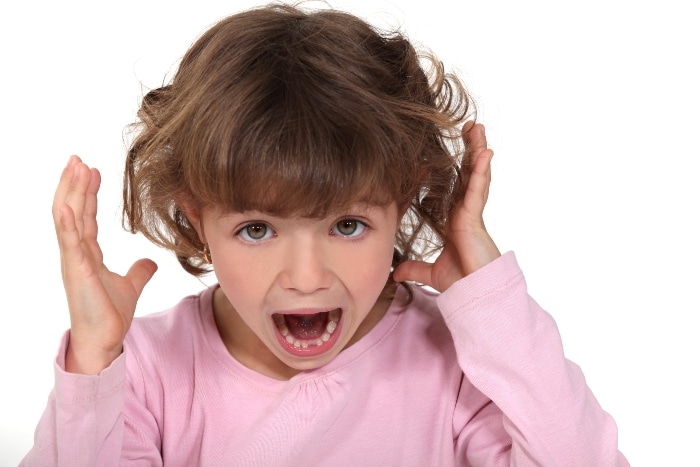
That can feel unfair when you are already tired. Most parents are not dealing with one big emotional blowup a week. It is more like a steady stream of sibling fights, rushed mornings, overstimulation, and after-school crashes. The good news is that emotional regulation is a skill, not a personality trait. Kids can learn it over time, and parents can teach it without turning the house into a therapy office.
What Emotional Regulation Really Means
Emotional regulation is not about making children stop crying, stop being angry, or act cheerful on command. It is the ability to notice a feeling, handle it in a safe way, and return to a steadier state. That process looks different at age 3 than it does at age 9, which is why some advice sounds great in theory but falls apart in real family life.
A toddler may need your body, voice, and routine to calm down. An elementary-age child may be ready to name feelings, take a break, or use a coping strategy with less help. Even then, progress is rarely neat. A child can know exactly what to do and still fall apart when hungry, embarrassed, tired, or overwhelmed.
That is why it helps to think of regulation as practice, not performance. The goal is not a child who never has big feelings. The goal is a child who gradually learns what those feelings are, what helps, and how to recover without hurting themselves, other people, or property.
How to Teach Emotional Regulation at Home
The most effective way to teach this skill is to build it into everyday moments. Big family talks can help, but what matters most is repetition in real situations.
Start By Staying as Calm as You Can
This is the part nobody loves hearing, mostly because it is true. Children borrow our nervous systems before they can manage their own. If you meet yelling with louder yelling, or panic with panic, the lesson becomes escalation.
That does not mean you need a perfect voice and a saintly expression every time your child loses it in the grocery store. It means aiming for steady. A lower voice, fewer words, and a predictable response do more than a long lecture ever will. If you need a second to collect yourself, take it. Saying, “I’m getting calm so I can help you,” models exactly what you want your child to learn.
Name Feelings Without Making Them Bigger
A lot of children act out because they do not yet have the words to explain what is happening inside. Giving simple language helps connect the experience to a label. “You’re frustrated.” “That was disappointing.” “You seem really overwhelmed right now.”
Keep it plain. You do not need to overanalyze every emotion. In fact, some kids shut down if the moment starts to feel too intense or too talk-heavy. A short label plus calm presence is often enough.
It also helps to separate the feeling from the behavior. Anger is allowed. Hitting is not. Sadness is allowed. Throwing toys is not. That distinction teaches children they are not bad for feeling strongly, but they are still responsible for what they do with those feelings.
Teach Coping Skills Before the Hard Moment
Trying to introduce a brand-new coping tool in the middle of a meltdown is like teaching swimming during a storm. It is possible, but not ideal. Practice calm-down skills when your child is already calm.
This might look like taking slow breaths while pretending to blow out birthday candles, squeezing a pillow, counting to ten, getting a drink of water, coloring, stretching, or sitting in a cozy corner with a favorite stuffed animal. Older kids may like music, journaling, or a short break from the room.
The trick is not to hand them a giant menu of options. Pick two or three and practice them often enough that they feel familiar. Some children love breathing exercises. Others hate them and respond better to movement. It depends on the child, which is why emotional regulation is not one-size-fits-all.
Create Routines That Reduce Emotional Overload
Sometimes what looks like a behavior problem is really a nervous system problem. Kids who are hungry, overtired, rushed, or bouncing from one activity to the next with no transition are far more likely to unravel.
Regular meals, sleep, downtime, and predictable transitions do not eliminate big feelings, but they lower the temperature. If your child always falls apart after school, that is useful information. They may need a snack, quiet time, or ten minutes without questions before they can handle homework or chores.
This is where practical parenting matters. A visual schedule, a warning before leaving the park, or a consistent bedtime can do more for emotional regulation than a dozen emotional speeches.
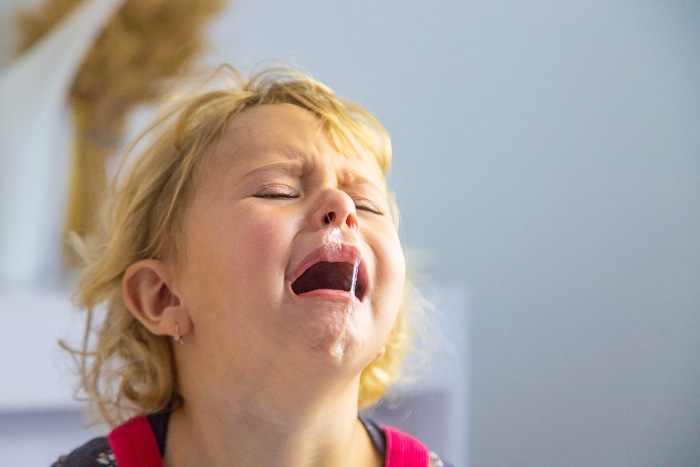
What to Do During a Meltdown and How to Teach Emotional Regulation
When a child is fully dysregulated, logic usually goes out the window. This is not the best time for lessons, consequences-heavy talks, or long explanations about choices.
Focus first on safety and co-regulation. Stay nearby if your child wants or needs your presence. Keep your words short. “I’m here.” “You’re safe.” “I won’t let you hit.” If your child needs space and can handle it safely, step back without withdrawing support.
Then wait for the storm to pass. That can be hard, especially in public or when other children are watching. But rushing a child through their feelings often prolongs the struggle. Calm comes faster when kids feel contained, not argued with.
If the behavior is unsafe, your job is to hold the boundary. You can block a hit, move an object, or guide a child to a quieter space. Boundaries and empathy can happen at the same time. “You’re very mad. I won’t let you throw that.”
How to Teach Emotional Regulation After the Meltdown
The best teaching often happens later, once your child is calm enough to think again. This is the moment for a short repair conversation.
You might say, “You got really upset when your brother took the game. Next time, what can you do instead of pushing?” Keep it simple and collaborative. The goal is not shame. The goal is helping your child connect trigger, feeling, behavior, and better option.
If needed, practice the replacement behavior. Ask them to try the words they could use next time. Rehearse asking for help. Walk through taking a break. Kids often need the same script many times before it sticks.
This also builds trust. Children are more open to learning when they know a hard moment will not become a character judgment.
When Kids Seem to Know Better But Still Lose Control
This is one of the most frustrating parts of parenting. A child can repeat every calm-down strategy in the book and still scream, slam doors, or sob over something small. That does not mean your teaching is failing.
Skills show up unevenly. Some kids can regulate well at school and fall apart at home because home is where they feel safest. Others hold it together all day and crash the minute they get in the car. Stress, temperament, sensory needs, ADHD, anxiety, learning differences, and simple developmental immaturity can all affect how quickly regulation grows.
Consistency matters more than speed. If your child recovers a little faster than they used to, asks for help one extra time, or goes from throwing shoes to stomping feet, that is progress. Not glamorous progress, maybe, but real progress.
When to Get Extra Support
Some emotional ups and downs are a normal part of childhood. But if meltdowns are extreme, aggressive, very frequent, or getting in the way of school, friendships, or family life, it may be worth talking with your pediatrician or a child therapist.
Support can also help if your child seems anxious most of the time, cannot recover from small stressors, or has sensory challenges that make daily life feel harder. Getting help is not overreacting. It is just another way of supporting your child.
Parents need support too. If your child’s behavior is leaving you constantly overwhelmed, angry, or defeated, that matters. Teaching regulation is much harder when your own tank is empty.
The heart of this work is simple, even if the daily practice is not. Kids learn emotional regulation from being guided through real feelings by adults who are willing to stay steady, set limits, and try again tomorrow. Some days that will look calm and wise. Other days it will look like surviving bedtime and repairing later. Both still count, and around here at Ice Cream n Sticky Fingers, we know that is often what real parenting growth looks like. Keep practicing and you will learn how to teach emotional regulation to your kids.