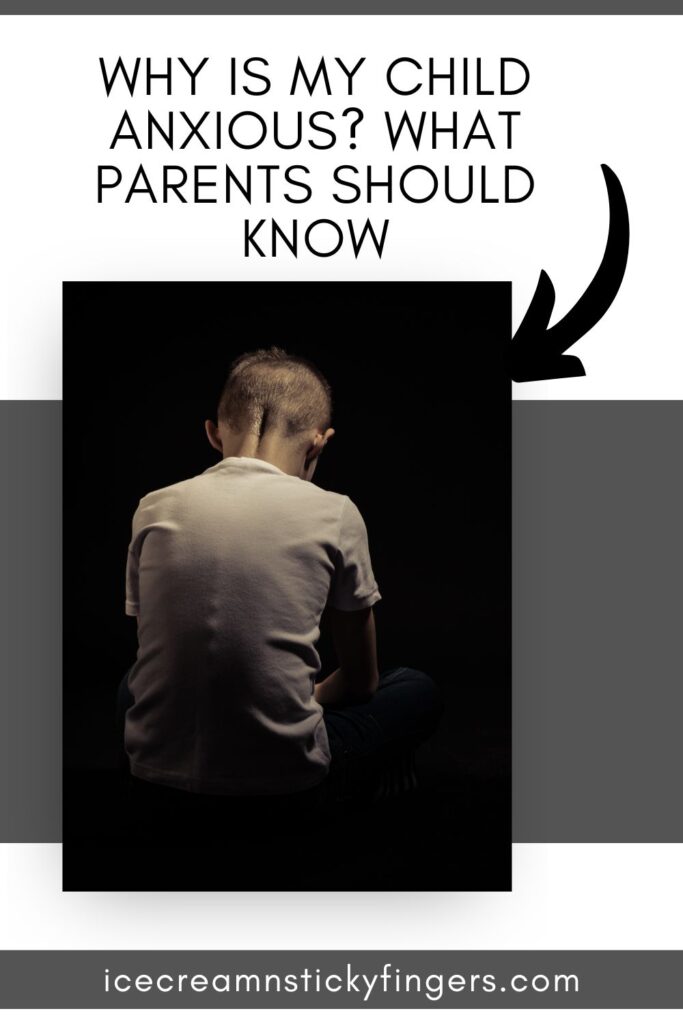
Why Is My Child Anxious? What Parents Should Know
You notice it in the small moments first. Your child suddenly hates drop-off, asks the same worried question five times, or melts down over something that used to be easy. If you’ve been asking, why is my child anxious, you’re not overreacting. Anxiety in kids can show up quietly at first, and it often looks like clinginess, irritability, stomachaches, sleep trouble, or a strong need for reassurance.

For parents, that can be confusing. A child might not say, “I’m anxious.” They might say, “My tummy hurts,” “Don’t leave,” or “What if something bad happens?” Sometimes they act angry instead of scared. Sometimes they seem perfectly fine at school and fall apart the second they get home. That doesn’t mean you’re missing something huge. It usually means their nervous system is working overtime, and they need help feeling safe again. Let’s take a look at some reasons “Why is my Child Anxious?”
Why is my Child Anxious Right Now?
There isn’t always one clear reason. Anxiety usually grows from a mix of temperament, stress, developmental stage, and what’s happening around your child. Some kids are naturally more sensitive and cautious. They feel things deeply, notice changes quickly, and have a harder time brushing off uncertainty.
Life changes can also play a big role. A move, a new school year, a new sibling, divorce, family conflict, illness, grief, bullying, or academic pressure can make a child feel unsettled. Even positive changes can trigger anxiety because they still bring unpredictability. A vacation, a birthday party, or joining a new sport might sound fun on paper but still feel overwhelming to a child who craves routine.
Sometimes anxiety doesn’t come from one major event at all. It can build slowly from daily stress, overscheduling, poor sleep, social worries, or a child feeling like they have to get everything right. Kids pick up on adult stress too. That does not mean parents cause anxiety by having normal worries of their own. It just means children are tuned in, and they often absorb more than we realize.
Common Signs of Anxiety in Kids
Anxious children do not all look the same. One child may cry and cling. Another may become controlling, argumentative, or perfectionistic. A third may seem quiet, avoid activities, or complain about physical symptoms.
Some of the most common signs include frequent stomachaches or headaches, trouble falling asleep, nightmares, fear of being away from parents, avoiding school or social events, constant “what if” questions, irritability, trouble concentrating, and needing repeated reassurance. You may also notice your child getting stuck on worst-case scenarios or becoming very upset when plans change.
Age matters here. Younger children often show anxiety through tantrums, bedtime battles, and separation struggles. Elementary-age kids may worry more about school, friendships, safety, and rules. As children get older, anxiety can look more like overthinking, perfectionism, or wanting to avoid situations where they might fail or feel embarrassed.
Why Anxiety Can Look Like Bad Behavior
This is one of the hardest parts for parents. Anxiety does not always look soft and fragile. Sometimes it looks like defiance.
A child who refuses to get dressed for school may not just be stalling. They may be panicking about the school day ahead. A child who snaps at a sibling may be overloaded and trying to control their environment. A child who insists on strange routines may be trying to create certainty when their brain feels full of danger signals.
That does not mean every behavior gets a free pass. Kids still need boundaries. But when you understand that fear is driving some of the behavior, your response can become more helpful. Instead of only asking, “How do I stop this behavior?” it helps to ask, “What is my child trying to tell me through this behavior?”
When Anxiety is More Likely to Show Up
There are certain moments when anxiety tends to spike. Back-to-school season is a big one. So are bedtime, busy social events, doctor visits, test days, family transitions, and times when routines fall apart.
Kids also tend to worry more when they are tired, hungry, overstimulated, or recovering from a hard day of holding it together. If your child seems fine in public but unravels at home, that’s often because home is where they finally feel safe enough to release the pressure.
This is why patterns matter more than one rough day. If your child is consistently struggling around the same situations, that gives you a clue about what their anxiety is attaching itself to.
What to Do if You’re Asking, Why is my Child Anxious?
Start by getting curious instead of rushing straight to fixing. You do not need to interrogate your child or force a big emotional conversation. Simple observations can tell you a lot. Notice when the anxiety shows up, what happened before it, how your child reacts physically, and what seems to help or make it worse.
It also helps to keep your language calm and steady. Try saying, “I can see this feels hard,” or “Your body looks really worried right now.” That kind of response validates what your child is feeling without feeding the fear. Telling a child, “There’s nothing to worry about,” often doesn’t work because their body already feels convinced that something is wrong.
Predictability can make a huge difference. Regular meals, enough sleep, clear routines, and transition warnings help anxious kids feel more secure. If mornings are a mess, consider simplifying them. If bedtime is stressful, build in extra calm before lights out. Little routine fixes can lower a child’s overall stress level more than parents expect.
Reassurance is tricky because it helps in the moment but can become a cycle if it happens constantly. If your child asks the same fearful question over and over, answer once with warmth, then gently shift toward confidence. For example, “I know you’re worried about school today. Your teacher knows you, and you’ve handled this before. Let’s focus on what helps your body feel ready.”

Practical Ways to Help an Anxious Child
Children need both emotional support and coping tools. Talking matters, but so does helping the body calm down. Deep breathing, squeezing a pillow, stretching, drawing, taking a short walk, listening to quiet music, or using a simple calm-down routine can all help. The best strategy depends on the child. Some kids need movement. Others need quiet. It often takes a little trial and error.
Try not to remove every single trigger. That’s a hard balance, especially when your child is upset, and you just want the stress to stop. But if a child always avoids the thing that worries them, anxiety usually grows. Gentle support works better than total rescue. That might mean walking your child into school instead of letting them skip, or practicing a feared situation in small steps instead of demanding they suddenly be brave.
Modeling matters too. If you say, “I get nervous sometimes too, and here’s how I calm my body,” you teach your child that anxiety is manageable, not shameful. You do not need to be a perfectly calm parent to do this well. You just need to show that feelings can be handled.
When Should Parents Be Concerned?
Some anxiety is a normal part of childhood. Kids worry about new experiences, loud places, bad dreams, and being away from parents. That alone does not always mean something is seriously wrong.
It is worth paying closer attention when anxiety is getting in the way of daily life. If your child is missing school, avoiding normal activities, having regular physical complaints, struggling to sleep, or seeming distressed more days than not, extra support may be needed. The same is true if the anxiety feels intense, lasts for weeks, or keeps growing instead of easing.
A conversation with your child’s pediatrician can be a good starting point. They can help rule out medical concerns and point you toward the right kind of support. Some children benefit from working with a therapist who understands childhood anxiety and can teach coping skills in a way that fits their age.
If you’ve been wondering whether you’re making too much of it, trust what you’re seeing. Parents usually notice when something feels off.
You are Not Failing if Your Child is Anxious
This matters more than parents often hear. Having an anxious child does not mean you caused it, missed something obvious, or failed to make home feel safe. Some children are simply wired to feel the world more intensely. What helps most is not perfect parenting. It is steady parenting.
That means staying close, looking for patterns, setting calm boundaries, and getting help when needed. It means remembering that anxiety is not your child’s identity. It is something they are experiencing, and with support, they can learn to move through it.
If your home feels a little messier right now because your child is struggling, that does not mean you are doing it wrong. It means you are in a real parenting moment, and like so many families at Ice Cream n Sticky Fingers understand, small, steady steps often matter more than dramatic fixes. Keep showing up. A child who feels understood is already on the path toward feeling safer. While we might not always know why is my child anxious, learning about childhood anxiety and equipping them with coping mechanisms will help your child so much.
Are you left wondering why my child is anxious? Do you think anything directly made your child anxious? How did you handle it?
Related Posts:
- Head Lice and Kids: What Parents Should Know

- Benefits of Getting a Cochlear Implant for your Child
- How to Prepare Your Child for Vaccines
- How Parents Can Help Their Children Dealing With Insomnia
- How To Create Structure for Your Child With Autism
- What to do When Hearing Aids Don't Work for your Child