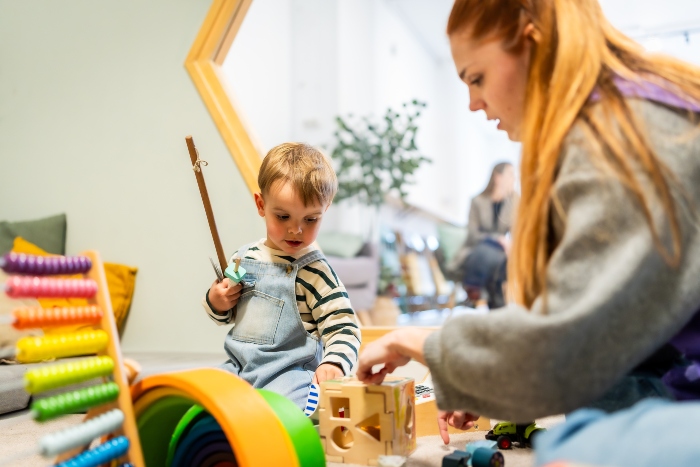
A Daycare Transition Success Story That Felt Real
At 8:17 on a Tuesday morning, Maya’s 2-year-old clung to her leg so tightly that getting his shoes off felt impossible. He had started daycare the week before, and the tears at drop-off were still coming. Maya was beginning to wonder whether she had made the wrong choice.

This daycare transition success story did not begin with a cheerful child walking into class without looking back. It began with tears, rushed mornings, a parent carrying guilt into the workday, and a toddler learning that a new classroom could become a safe place. By the end of the first month, he was walking in with his teacher, checking the window for the playground, and saving a quick hug for Mom before joining his friends.
That change did not happen because every drop-off became easy overnight. It happened because Maya, her child’s teachers, and her family found a few steady routines that made the unknown feel more predictable. Let’s take a look at this daycare transition success story.
The First Week Was Harder Than Expected
Maya had prepared the practical details. She labeled every cup, packed extra clothes, filled out forms, and visited the classroom before the first day. Her son had even enjoyed the tour. He pointed at the toy kitchen, watched older children paint, and waved at his future teacher.
But a classroom visit is not the same thing as being left there. On day one, he cried when Maya tried to hand him over. On day two, he cried before they made it through the parking lot. By day four, he was asking to stay home.
For many parents, that is the moment daycare guilt gets loud. You may think, “He is miserable,” or “She is too young,” or “Maybe I should pull her out.” Those feelings are real, and they deserve compassion. Still, tears at separation do not automatically mean a daycare is a bad fit.
The more useful question is what happens after you leave. Does your child begin to settle with support? Are teachers warm and responsive? Do they share honest updates? Is your child eating, sleeping, playing, or showing small signs of connection during the day? A hard goodbye and a hard day are not always the same thing.
Maya’s teacher sent a brief note after the first few mornings: he stopped crying within ten minutes, sat near her during story time, and eventually played with blocks. That information did not erase Maya’s worry, but it gave her something solid to hold onto. She was hoping that she too would have a daycare transition success story sooner rather than later. But she remained patient.
What Changed This Daycare Transition Success Story
The biggest shift came when Maya stopped trying a different solution every morning. She and the teacher agreed on a simple plan and gave it time to work.
They Created a Short, Repeatable Goodbye
At first, Maya lingered because leaving while he cried felt awful. She would offer one more hug, then another, explain where she was going, return for a forgotten kiss, and sometimes stand outside the door listening.
Her teacher gently suggested a shorter goodbye. Beginning the next day, Maya followed the same three steps: walk in, hang up his backpack with him, and say, “I love you. Ms. Ana will help you today. I will be back after nap.” Then she hugged him, handed him to his teacher, and left.
It felt cold at first. It was not. A clear goodbye helped him understand what to expect. Sneaking out can make some children more anxious, while long goodbyes can accidentally turn drop-off into a daily negotiation. The goal is not to leave without emotion. The goal is to be calm, loving, and predictable.
They Gave Him One Familiar Thing
His daycare allowed a small comfort item during arrival, so he brought a soft stuffed dog from home. He held it while his teacher helped him choose a morning activity, then placed it in his cubby once he felt ready.
Not every center permits toys from home, and some children become more upset if they have to put a treasured item away. If that is your child, try a smaller connection instead: a family photo in their backpack, a matching bracelet, a hand-drawn heart on their wrist, or the same silly goodbye phrase every day.
The item itself was less important than the message behind it: home was still connected to him, even when Mom was not in the room.
They Practiced Daycare Language at Home
At bedtime, Maya began talking through the next day in simple terms. “Tomorrow we will eat breakfast, get dressed, drive to school, say goodbye, and you will play until I come after nap.” She kept the wording almost identical each night.
They also played daycare with stuffed animals. One animal felt sad at drop-off. Another teacher offered a puzzle. The parent animal always came back. It may sound small, but toddlers learn through repetition and play. Acting out a separation gave him words for feelings he could not fully explain yet.
For older preschoolers, a simple picture schedule can help. Include wake-up, breakfast, school, outdoor play, lunch, rest time, pickup, and home. Keep it positive but truthful. Promising that you will return “in five minutes” when pickup is hours away can make the wait more confusing.
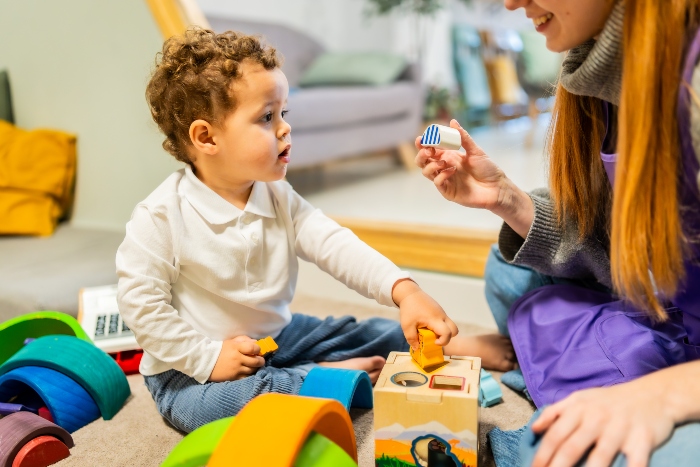
They Focused on Connection After Pickup
Maya noticed that she was peppering her son with questions the minute they got to the car. “Did you cry? Did you eat? Who did you play with? What did you do?” He often responded by whining, melting down, or saying nothing at all.
She changed the routine. Pickup became a snack, a hug, and a few quiet minutes in the car. Later, during bath or dinner, she would ask one easy question, such as, “What was the funniest thing today?” If he did not answer, she did not push.
A busy daycare day can be a lot for a young child. Some kids need to talk. Others need to decompress, move their bodies, or sit close to you. Extra clinginess, bigger feelings, and early bedtime requests can all happen during an adjustment period. It does not mean you are doing anything wrong.
The Small Signs That Told Her It Was Working
The success did not arrive as one big magical morning. It showed up in tiny changes.
On the second week, he stopped crying before they left the house. A few days later, he accepted his teacher’s hand at the classroom door. Then he began talking about the bubbles in the sensory table and a friend who liked trucks. One morning, he cried for less than a minute. The following week, he was upset because Maya had forgotten to pack his favorite socks, not because he was going to daycare.
Those moments mattered because they showed growing trust. He was not suddenly independent all the time. He still had rough mornings after a bad night of sleep or a busy weekend. He still wanted Mom when he was tired. But he had learned a new rhythm: Mom leaves, teachers care for me, I play, Mom comes back.
That is the heart of a successful daycare transition. It is not a child who never cries. It is a child who gradually learns that separation is temporary and that they can be safe, cared for, and capable in another loving environment.
When to Give It More Time and When to Ask More Questions
Most children need an adjustment period, but there is no universal timeline. Some settle within days. Others need several weeks, especially if they are starting during a family move, a new sibling’s arrival, a change in caregivers, or a difficult sleep season.
Keep communicating with teachers. Ask what helps your child calm down, when they seem happiest, and whether there are patterns around meals, naps, or transitions. Teachers see a side of your child you cannot see from the parking lot, and a good partnership makes a real difference.
At the same time, trust your instincts if concerns go beyond normal separation anxiety. Repeatedly unanswered questions, teachers who dismiss your child’s distress, unexplained injuries, major changes in behavior that worsen over time, or a child who never seems able to settle deserve closer attention. A successful transition requires a setting where your child is treated with patience and respect.
Maya still felt a little pinch in her chest when she watched her son head into class without needing her hand. But it was the good kind of pinch. He was growing, she was still his safe place, and both things could be true at once.
If your own morning ends with tears right now, look for the small wins rather than waiting for a perfect drop-off. A calmer goodbye, one trusted teacher, a new classroom song, or a child who mentions a friend can be the beginning of something really good. Let’s hope this inspires you to help your child become a daycare transition success story too!