How To Encourage More Outdoor Play at Home
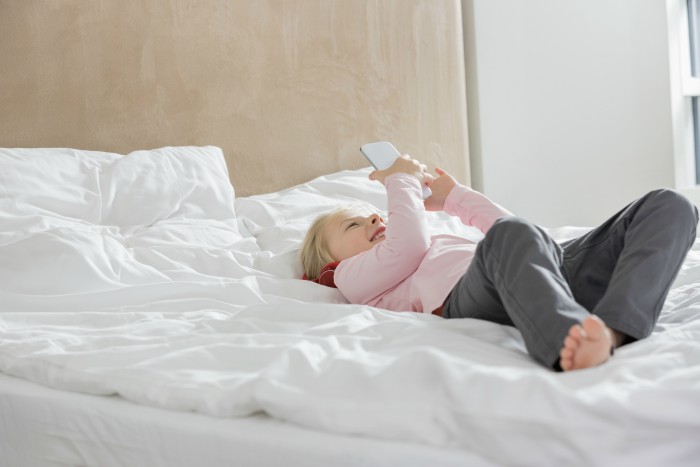
Getting kids outside can sometimes feel like one more task on an already packed parenting to-do list. Screens are convenient, the weather does not always cooperate, and elaborate outdoor activities require more preparation than busy families might have time for.

Fortunately, parents should encourage more outdoor play at home, but it does not require a picture-perfect backyard, expensive equipment, or a carefully planned schedule. A few practical changes can make stepping outside an easy and appealing part of everyday family life. Let’s take a look at how to encourage more outdoor play at home.
Make Going Outside Part of the Routine
Children often respond well to predictable routines. Rather than waiting until someone announces that they are bored, build outdoor time into a familiar part of the day.
It could be 20 minutes after breakfast, some backyard time after school, or a trip outside while dinner is being prepared. The exact schedule matters less than consistency. When outdoor time becomes normal rather than a special event, there may be less resistance to getting started.
Families can also keep the routine flexible. On busy days, outdoor play might mean drawing with sidewalk chalk for 15 minutes. When there is more time, children might build a fort, ride a battery-powered vehicle around the yard, or invent a game with siblings.
Keep Outdoor Toys Easy To Reach
A toy hidden at the back of a garage is unlikely to inspire spontaneous play. Keep a small selection of outdoor items somewhere children can access them easily, while making sure anything that requires adult supervision remains appropriately stored.
Simple choices can provide plenty of entertainment. Balls, chalk, buckets, bubbles, jump ropes, toy gardening tools, and water toys all encourage children to create their own games.
Rotating toys can help as well. Instead of putting everything outside at once, store some items away and swap them every few weeks. A familiar toy can suddenly feel interesting again after it has been out of sight for a while.
Choose Activities That Match a Child’s Age
Outdoor activities are more likely to hold a child’s attention when they provide an appropriate level of challenge. A toddler may be fascinated by collecting leaves or pouring water between containers, while an older child may prefer obstacle courses, sports, scavenger hunts, or wheeled toys.
Age also matters when selecting larger outdoor toys. Features that suit an older child may be unnecessary or unsuitable for a younger one. For example, parents comparing battery-powered vehicles can consider their child’s physical size, coordination, and experience when looking at ride-on cars by age group. Whatever the activity, be sure to check manufacturer recommendations and supervise children as appropriate for their age and surroundings.

Give Kids Something To Do: This is the Best Way to Encourage More Outdoor Play at Home
Asking a child to go play outside can be met with a blank stare. A small prompt often makes getting started much easier.
Try setting a simple challenge: How many different leaves can you find? Can you make an obstacle course using five objects? Can you draw a road across the driveway with chalk? How many times can you kick a ball between two markers?
These prompts do not need complicated rules. Their purpose is simply to provide a starting point. Once children become interested, they can take over and change the activity however they like.
Let Outdoor Play Get a Little Messy
Mud, grass stains, sand, and water are normal parts of outdoor play. If children are constantly worried about keeping their clothes spotless, they may be less willing to explore.
Consider keeping a set of older clothes and shoes specifically for backyard adventures. A towel by the door, washable play equipment, and a designated place for muddy shoes can also make cleanup easier.
This does not mean abandoning boundaries. Instead, create reasonable ones that allow children to experiment without turning every muddy footprint into a household emergency.
Use What You Already Have
There is no need to continually buy new outdoor entertainment. Everyday household items can become surprisingly effective play materials.
Cardboard boxes can turn into tunnels or pretend shops. Plastic containers can become water-pouring stations. Old bedsheets can create dens, while recycled containers can be used for outdoor crafts or nature collections.
Even routine household jobs can become activities. Children might help water plants, sweep a patio, wash outdoor toys, or collect sticks from the yard. They get fresh air and movement while participating in something useful.
Create a Few Backyard Zones
If space allows, divide the outdoor area loosely by activity. There might be a spot for active games, a quieter corner for reading or drawing, and an area where messy activities are allowed.
These do not need permanent structures. A picnic blanket can create a quiet zone, while a few cones or chalk lines can define a play area.
Small spaces work, too. A balcony, patio, driveway, or compact garden can still accommodate activities such as container gardening, bubbles, chalk art, sensory play, or simple movement games.
Join In Occasionally
Independent play is valuable, but children may be more enthusiastic about going outside when adults participate sometimes, too. Kick a ball around, start a scavenger hunt, race through an obstacle course, or sit outside together for a snack.
Adults do not need to direct every minute. In fact, joining long enough to get an activity started and then allowing children to continue independently works particularly well.
Outdoor time can also become family time. Eating dinner outside, gardening together, or taking a short evening walk helps reinforce the idea that being outdoors is simply part of everyday life.
Keep Expectations Realistic
Some days, children may happily spend hours outside. Other days, 10 minutes might be enough. Weather, mood, energy levels, age, and family schedules all make a difference.
The goal is to encourage more outdoor play at home is not to create another standard parents have to meet perfectly. It is to make fresh air, movement, imagination, and unstructured play easier to fit into ordinary life.
Start small, keep useful play items accessible, offer an idea when children need inspiration, and allow them room to make the activity their own. Over time, opening the door and heading outside can become one of the simplest parts of the day. Take the time to encourage more outdoor play at home; it is good for kids to get some fresh air and burn off some energy before bedtime.