
Potty Training Regression Causes and What Helps
A child who was using the potty happily last week may suddenly be having accidents every afternoon, refusing the bathroom, or asking for diapers again. It can feel confusing and frustrating, especially after all the reminders, laundry, and tiny celebrations it took to get this far. But potty training regression causes are often temporary, and an accident does not mean your child has forgotten everything they learned.

Regression is common during the toddler and preschool years because potty learning involves more than knowing where the bathroom is. Your child also needs to notice body signals, pause a fun activity, manage clothing, feel safe in the bathroom, and cope with the emotions that come with growing independence. When one piece gets harder, accidents can return. Let’s take a look at some of the the potty training regression causes and learn what can help you overcome this hurdle.
What Potty Training Regression Usually Looks Like
Potty training regression causes a noticeable return of accidents or resistance after a child had been mostly reliable for a period of time. For some families, that means daytime wetting after weeks without accidents. For others, it looks like poop accidents, sudden fear of the toilet, bedtime wetting, or a child who insists they will only use a diaper.
The timeline matters. A few accidents during a busy weekend, a road trip, or the first week of preschool can be completely normal. A bigger change that lasts several weeks, causes pain, or comes with other health symptoms deserves a closer look.
Also, daytime independence and nighttime dryness are different skills. Many young children need a diaper or pull-up overnight for quite a while after they are solidly potty trained during the day. Nighttime wetting alone is not usually a sign that daytime potty training has gone backward.
Common Potty Training Regression Causes
Big Changes Can Shake up a Reliable Routine
Toddlers thrive on predictability, and their bodies often show stress before they have words for it. Starting daycare or preschool, moving homes, changing caregivers, welcoming a new baby, traveling, or having a parent return to work can all lead to accidents.
Even happy events can be overwhelming. A child may love their new classroom and still come home exhausted, clingy, and too distracted to make it to the bathroom in time. Try not to read the accident as defiance. It may simply be your child saying, in the only way they can, that a lot feels different right now.
Constipation is a Very Common Hidden Culprit
Constipation can make poop painful, which may lead a child to hold it. Holding can make constipation worse, and the cycle can eventually affect bladder control too. Some children who are backed up have small stool accidents in their underwear because stool leaks around a harder blockage.
Watch for hard or large stools, pain while pooping, fewer bowel movements than usual, belly discomfort, hiding to poop, or avoiding the toilet. If any of this sounds familiar, call your child’s pediatrician. Treating constipation is often the most important step in getting potty habits back on track.
Illness and Physical Discomfort Can Cause Accidents
A stomach bug, fever, fatigue, changes in appetite, or a urinary tract infection can temporarily disrupt toileting. Children may also avoid the potty if they have a rash, sore skin, or discomfort from a new soap or bubble bath.
Call the pediatrician if your child has pain or burning with urination, frequent urgent trips to the bathroom, new strong-smelling urine, blood in urine, fever, vomiting, unusual thirst, or accidents along with pain. Those symptoms need medical guidance rather than more sticker charts.
Busy Play and Developing Independence Get in the Way
Sometimes the cause is wonderfully ordinary: your child does not want to stop playing. Toddlers are famous for waiting until the last possible second, then discovering that pants, buttons, and a faraway bathroom are too much to manage quickly.
This is especially common when children have recently gained confidence and want to handle everything themselves. Give them room to practice, but make success easier. Choose easy-on pants, keep a potty nearby during intense play, and build bathroom breaks into natural transitions, such as before leaving the house or before a meal.
Fear, Pressure, and Power Struggles Can Make the Potty Feel Loaded
One painful bowel movement, a loud automatic toilet, a fall into the toilet, or a stressful accident at school can make a child wary. Some children also push back when potty talk starts to feel like a constant test. The more adults plead, bargain, or show disappointment, the more the bathroom can become a place where a child feels watched.
That does not mean you have ruined potty training. It means it is time to lower the emotional temperature. Matter-of-fact support works better than lectures: “Pee goes in the potty. Let’s get cleaned up.”
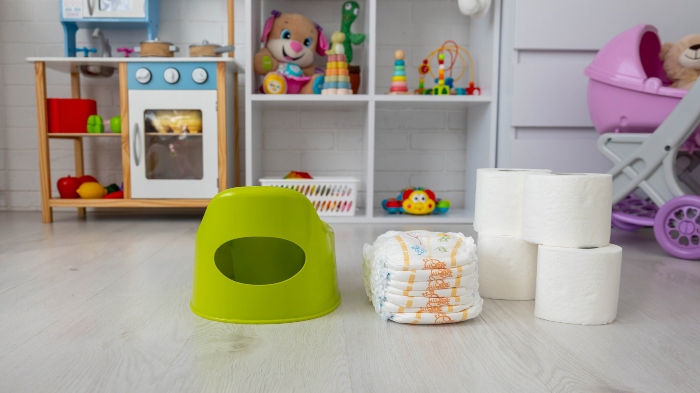
How to Respond Without Turning Accidents Into a Battle
Start by taking the pressure off. Your child needs your calm confidence more than a long conversation about what went wrong. Clean up together in a neutral way, offer fresh clothes, and move on. Avoid punishment, shaming, or making your child sit on the toilet for long periods. Those approaches can increase anxiety and constipation.
For the next week or two, return to a simple routine. Offer potty chances after waking, before leaving home, before naps, after meals, and before bed. If your child is in daycare or preschool, share the plan with caregivers so the reminders feel consistent rather than random.
Use language that gives your child some control. You might ask, “Do you want to use the little potty or the big toilet?” or “Do you want me to wait outside the door or come with you?” Small choices can be powerful when so much else in a child’s day feels decided for them.
Praise the process, not just a perfectly dry day. Notice when your child tells you they need to go, tries to sit, pulls down their pants, or helps clean up. A simple “You listened to your body” helps them connect the skill to their own growing awareness.
If your child is extremely upset, has frequent accidents, or has completely stopped using the toilet after being reliable, a brief reset may help. That can mean more reminders, looser expectations, and sometimes temporary backup protection for a particular situation, such as a long car ride. A pull-up does not automatically erase progress, but try to present it as practical support, not as a consequence or a permanent retreat from learning.
Make the Bathroom Easier to Use
Look at the logistics through your child’s eyes. Can they reach the toilet comfortably? Are their feet supported on a stool? Can they get their pants down before it becomes urgent? Is the bathroom dark, loud, or unfamiliar?
A smaller potty may feel safer for a child who is worried about the big toilet. If you use the regular toilet, a secure seat insert and footstool can help your child relax, especially for poop. Keep a few spare outfits in the car, diaper bag, and preschool cubby so an accident feels like a minor interruption instead of a family emergency.
When to Call the Pediatrician
Most regressions improve with time, consistency, and less pressure. Still, trust your instincts if something seems off. Contact your child’s pediatrician for constipation concerns, painful bowel movements or urination, a sudden major increase in thirst or urination, fever, blood in stool or urine, or a regression that does not improve after a few weeks of supportive routines.
If anxiety, sensory concerns, or a major life event seem to be driving the struggle, your pediatrician can also help you decide whether more support would be useful. You do not have to solve a tough regression alone.
Your child is not giving you a hard time. More often, they are having a hard time with a new feeling, a new routine, or a body signal they are still learning to manage. Keep the message steady: accidents happen, the potty is available, and you will help them figure it out. Use our guide to help determine what potty training regression causes you are dealing with and try to find a solution to correct the problem.