Summer Learning Loss Prevention That Works
The first week after school ends feels amazing – until you realize your child suddenly “forgets” how to write neatly, resists reading anything longer than a cereal box, and acts personally offended by math facts. That is exactly why summer learning loss prevention matters. The good news is you do not need to turn your house into a classroom or spend the whole break fighting over worksheets.

For most families, the goal is not to recreate school at home. It is to help kids hold onto what they learned, keep their brains active, and head into the new school year with confidence instead of frustration. A little consistency goes a long way, especially when it feels doable in real life.
What Summer Learning Loss Prevention Really Looks Like
Summer learning loss prevention is less about making kids do more and more about keeping learning in the rhythm of everyday life. Children, especially in the early elementary years, benefit from regular practice in reading, writing, problem-solving, and conversation. When those skills disappear for two or three months, the transition back to school can feel rough.
That does not mean every child needs the same plan. Some kids need a gentle routine to keep reading skills steady. Others need a little more support in math or writing because those subjects tend to slide faster. If your child struggled during the school year, summer may be a good time to reinforce basics without the pressure of grades and tests.
It also helps to remember that rest matters too. Kids need unstructured play, late mornings, pool days, and time to be bored enough to invent something. The sweet spot is not nonstop enrichment. It is a balanced summer where learning still shows up often enough to stick.
Start With a Simple Weekly Rhythm
Busy parents usually do better with a repeatable rhythm than a detailed daily schedule. If every summer day looks different because of camps, childcare, travel, or work, that is normal. Instead of planning every hour, choose a few anchors your child can count on each week.
For example, you might set a goal of reading four days a week, writing twice a week, and practicing math three times a week. That can happen in 10 to 20 minute chunks. For many kids, short and steady works better than one long session that turns into a power struggle.
Morning often works best because attention is fresher, but that depends on your family. If afternoons are calmer, use that time. If evenings are the only realistic option, keep expectations low and make the activity simple. Summer learning loss prevention only works if parents can actually keep up with it.
Reading is Usually the Biggest Priority
If you do one thing this summer, make it reading. Reading supports vocabulary, comprehension, focus, and background knowledge across every subject. It is also one of the easiest habits to keep going without making summer feel like school.
Let your child choose books that genuinely interest them. Graphic novels, joke books, beginner chapter books, magazines, audiobooks paired with print, and nonfiction all count. A child who is excited to read a weird animal book is still reading. That matters.
If your child pushes back, try lowering the pressure. Read together on the couch. Take turns reading pages. Let them read to a younger sibling, a grandparent, or even the dog. Some kids are strong readers but hate the feeling of being tested. Keeping the mood light helps more than correcting every mistake.
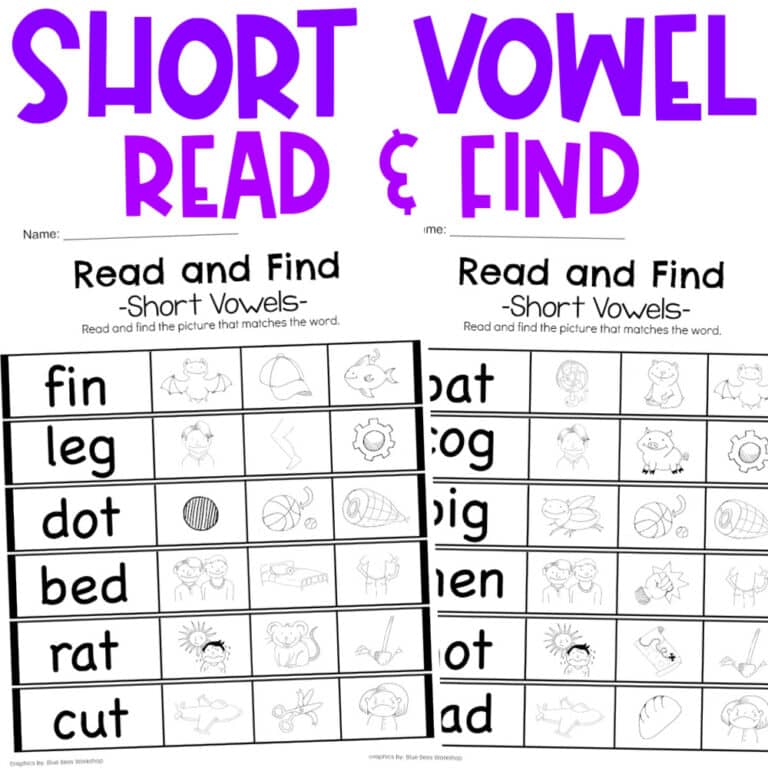
For children who are still learning to read, consistency matters even more. Ten minutes of reading practice most days can preserve a lot of progress. Ask simple questions after reading, like what happened first or which part was funniest. You are building comprehension, not running a book report.
Make Math Part of Regular Life
Math tends to get rusty quickly because it depends on repetition. The good news is math practice does not have to look like timed drills at the kitchen table.
You can work math into cooking, shopping, road trips, and screen-free games. Ask younger kids to count change, compare prices, measure ingredients, or figure out how many plates you need for dinner. Older kids can practice multiplication while doubling a recipe, estimate totals at the store, or keep track of savings for a toy or outing.
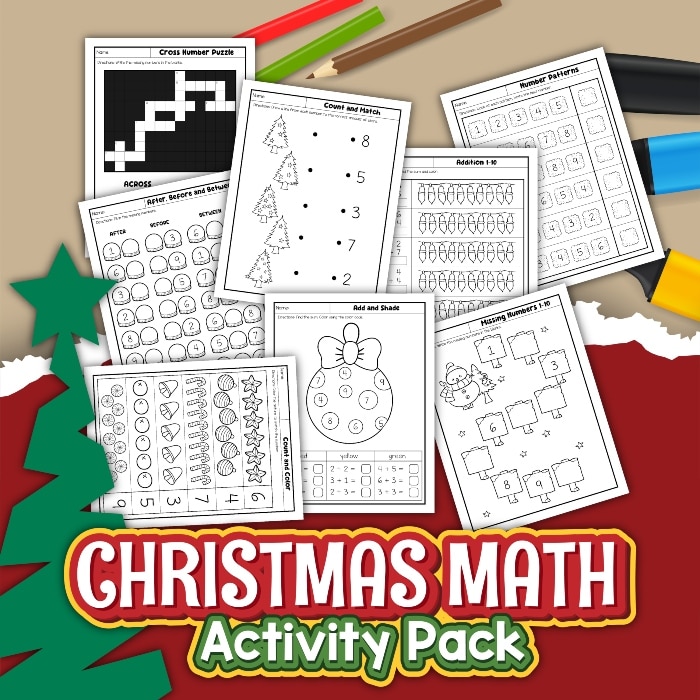
If your child likes structure, a workbook or math app may help. If they hate paper practice, board games and card games can keep number skills active with less resistance. There is no prize for choosing the most academic-looking option. Choose the one your child will actually do.
Writing Counts, Even When it is Casual
Writing often gets ignored over the summer, but it is worth keeping alive. Kids do not need formal essays in July. They just need chances to put thoughts into words.
A summer journal can work well if you keep it low-pressure. Your child might write about a trip, a funny moment, a favorite meal, or something they noticed outside. Even a few sentences matter. Younger kids can dictate to you, label pictures, or write short lists.
Real-life writing also helps. Have your child make the grocery list, write thank-you notes, label vacation photos, create scavenger hunt clues, or leave notes for family members. When writing has a purpose, many kids complain less.

Use Play for Summer Learning Loss Prevention
This is where many parents can relax a little. Play is not wasted time. A lot of meaningful learning happens when kids build forts, invent games, do puzzles, create art, or dig in the backyard.
Open-ended play supports problem-solving, language, creativity, and persistence. A board game teaches turn-taking and strategy. Building with blocks teaches spatial thinking. Pretend play strengthens storytelling and communication. Even a trip to the splash pad can include science conversations about floating, sinking, heat, and weather.
Summer learning loss prevention does not require your child to sit still at a desk. Especially for younger kids, active and hands-on learning is often the better fit.
Keep screen time from taking over everything
Most families use screens more in summer. That is real life. The issue is not that all screen time is bad. It is that passive, all-day entertainment can crowd out reading, play, movement, and conversation.
A simple rule helps. Try to put learning or reading before recreational screens, especially early in the day. Some parents use a “read first” routine. Others set a short learning block before tablets come out. You do not need a perfect system, just one that keeps screens from becoming the default from breakfast on.
Educational content can absolutely have a place, but it works best when it is one part of the mix, not the whole plan.
Follow your Child’s Actual Needs
One of the most helpful parts of summer is the chance to notice where your child really stands without school-year pressure. Are they avoiding reading because it is hard, or because they are tired of being told what to read? Do they freeze up with math facts but do fine with real-world problem-solving? Those details matter.
If your child had a tough school year, summer may be a good time for extra support. That could mean tutoring, targeted practice, library programs, or simply more parent involvement in one area. If your child is doing well academically but seems burned out, a lighter plan may be better.
This is where comparison gets parents in trouble. Your neighbor’s child may happily complete a workbook every morning. Yours may learn more from audiobooks, museum visits, and baking projects. Different does not mean wrong.
Build Learning into Family Life
The easiest summer plan is the one that does not feel separate from the rest of your day. Talk in the car. Ask questions at dinner. Let your child help plan a budget-friendly outing. Read signs, recipes, maps, menus, and instructions together. Visit the library regularly enough that books keep rotating through the house.
If you are in a busy season with work, younger siblings, camps, and constant snack requests, that still counts. You do not need picture-perfect summer days to support learning. You just need small moments that happen often enough to keep skills warm.
At Ice Cream n Sticky Fingers, we know most parenting wins come from realistic routines, not perfect ones. Summer is no different.
When to Ease Up and When to Push a Little
Some resistance is normal. Kids are tired of structure by the time summer starts. If they grumble about reading for 15 minutes, that does not mean the plan is failing. It just means they are kids.
But if every learning activity ends in tears, step back and adjust. The material may be too hard, the timing may be off, or your child may need more choice. On the other hand, if your child is coasting and capable of more, a little gentle push can help. You know your child best.
The goal is not to win summer. It is to protect progress without draining all the fun out of the season. A few smart habits can do that better than an ambitious plan you abandon by mid-June.
If you keep reading, talking, noticing, and practicing just enough, your child does not have to start from scratch in August. And honestly, that is a pretty big win for a summer that still leaves room for popsicles, pajamas, and lazy afternoons.