Teaching Your Child Life Lessons That Last a Lifetime
As parents, one of our most important roles is preparing our children for the real world. It is best to start teaching your child life lessons at an early age. Learning life lessons early also builds a strong foundation for decision-making. Beyond academics and extracurricular activities, children need guidance in developing strong values, resilience, and everyday life skills. Teaching your child life lessons doesn’t have to be complicated—it often happens in simple, everyday moments.
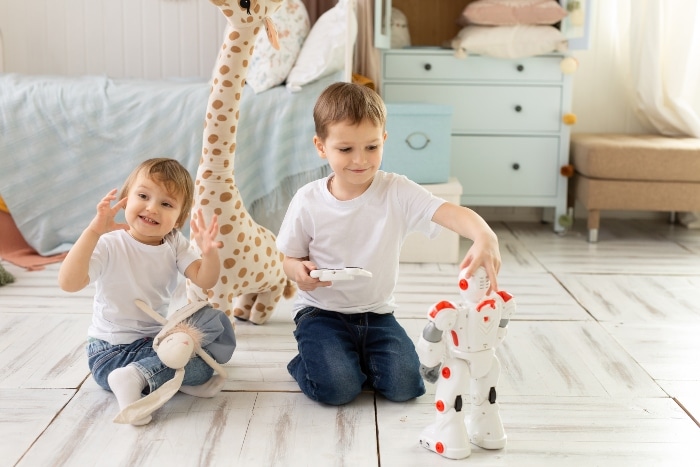
Here’s how you can intentionally start teaching your child life lessons that truly stick.
🌱 Lead by Example
Children are always watching. The way you handle stress, treat others, and solve problems becomes their blueprint for behavior. If you want your child to be kind, patient, and responsible, show them what that looks like in action.
Whether it’s apologizing when you’re wrong or showing gratitude, your daily actions speak louder than any lecture.
💬 Keep Communication Open
Create a home where your child feels safe talking about anything. Ask open-ended questions like:
- “What was the best part of your day?”
- “Was anything challenging today?”
Listening without judgment builds trust and teaches your child that their voice matters. These conversations also provide natural opportunities to discuss values, choices, and consequences.
🧠 Teach Problem-Solving Skills
Instead of rushing in to fix every problem, guide your child through it. Ask questions like:
- “What do you think you could do?”
- “What might happen if you try that?”
This helps children think critically, build confidence, and learn that they are capable of handling challenges.
🧹 Encourage Responsibility Early
Giving children age-appropriate responsibilities teaches accountability and independence. Simple tasks like cleaning up toys, helping set the table, or feeding a pet can build a strong work ethic.
Over time, these small responsibilities turn into lifelong habits.
💰 Introduce Basic Money Skills
Teaching kids about money early sets them up for financial success. Start with simple concepts like saving, spending, and sharing.
You might:
- Give a small allowance
- Use jars for saving and spending
- Let them make small purchasing decisions
These experiences help children understand the value of money and decision-making.
❤️ Build Emotional Intelligence
Help your child recognize and express their emotions. When they’re upset, instead of dismissing their feelings, say:
- “I see you’re feeling frustrated. Want to talk about it?”
Teaching children how to name and manage their emotions helps them develop empathy, self-control, and healthy relationships.
🌟 Emphasize Effort Over Perfection
Teach your child that mistakes are part of learning. Celebrate effort, persistence, and progress rather than focusing only on outcomes.
Phrases like:
- “I’m proud of how hard you tried”
- “What did you learn from this?”
encourage a growth mindset and resilience.
🤝 Model Kindness and Empathy
Kindness is one of the most powerful life lessons. Encourage your child to:
- Help a friend
- Share with others
- Use kind words
You can also model empathy by talking about how others might feel in different situations.
🛑 Teach Boundaries and Safety
Children need to understand personal boundaries and how to stay safe. Teach them:
- It’s okay to say “no”
- To trust their instincts
- Who to go to for help
These lessons empower children and build confidence in their decision-making.
🌍 Encourage Independence
Allow your child to try new things, even if they make mistakes along the way. Independence builds confidence and prepares them for adulthood.
Start small:
- Let them choose their clothes
- Pack their own backpack
- Help with simple cooking tasks
🎉 Celebrate Progress, Not Perfection
Every step your child takes toward growth matters. Celebrate small wins and improvements to keep them motivated and confident.
Teaching your child life lessons isn’t about having all the right answers—it’s about being present, patient, and intentional. The little moments you share each day are shaping your child into a capable, compassionate, and resilient individual.
By modeling values, encouraging independence, and supporting your child through challenges, you’re giving them tools they’ll carry for the rest of their life. Don’t skip teaching your child life lessons!