Sustainable Kids Products That Work for Family Life
That tiny plastic toy from a birthday party, the stained lunchbox that lasted one semester, the clothes your child outgrew before the season changed – kid stuff can pile up fast. Sustainable kids products are not about creating a picture-perfect low-waste home or making your already-full parenting to-do list harder. They are about buying and using things in ways that make sense for your family, your budget, and the planet.

For most parents, the goal is simple: fewer items that break, clutter the house, or need replacing every few months. A more sustainable choice can be a reusable item, something made to last, a product you buy secondhand, or simply deciding not to buy another version of something your child does not really need. Let’s take a look at sustainable kids products.
What Makes a Kids Product Sustainable?
“Sustainable” gets used on plenty of labels, and it can be hard to know what it actually means when you are shopping with a toddler in the cart and 10 minutes until daycare pickup. In practical terms, a sustainable product considers its full life: what it is made from, how long it will be useful, whether it can be reused or repaired, and what happens when your family is done with it.
No product is perfect. A wooden toy may be durable but cost more upfront. Organic cotton pajamas may be a great option, but they may not fit the budget when your child needs several pairs at once. The best choice is often the one that works hard in your home instead of becoming another expensive guilt purchase.
When comparing options, look past the word “eco-friendly.” Ask a few quick questions: Will my child actually use this often? Can it survive regular kid use? Can it be handed down, donated, recycled, or repurposed when we are finished with it? Those answers tend to tell you more than pretty packaging does.
Start With the Products You Replace Most
You do not need to redo your entire house to make more thoughtful choices. Start with the categories you buy over and over again. These are the places where a small change can save money, reduce waste, and make everyday routines easier.
Mealtime Essentials
Reusable water bottles, snack containers, silicone food storage bags, and washable napkins (aff link) can cut down on the disposable items that disappear from your pantry every week. They are especially helpful for school lunches, car snacks, and those days when everyone seems to need a snack immediately.
Choose containers your child can open independently if they are school-age. A sustainable lunch setup is only useful if it does not come home untouched because the lid was too frustrating. Stainless steel and food-grade silicone are popular durable options, but even a sturdy plastic container you use for years is usually a better choice than constantly replacing flimsy ones.
Clothing That Can Live More Than One Life
Kids grow. They spill. They decide their favorite shirt is suddenly unacceptable. Clothing is one area where flexibility matters more than perfection.
Buying secondhand, accepting hand-me-downs, organizing a clothing swap with friends, and reselling items in good condition are all practical ways to keep clothes in use. For new purchases, choose everyday basics that can handle repeated washing and can be mixed easily with what your child already owns. A small wardrobe that gets worn often is generally more useful than a closet full of one-time outfits.
For babies and toddlers, look for adjustable features when possible, such as waistbands that stretch or jackets with room for layers. You will not eliminate outgrowing clothes, but you may get a few extra months out of them.
Toys and Creative Supplies
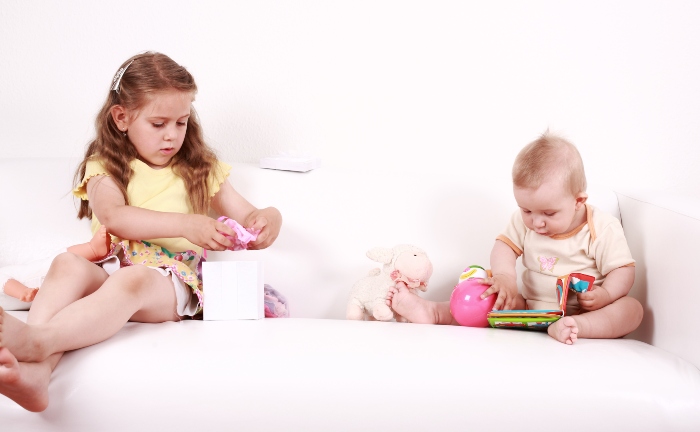
Toys are often where good intentions meet birthday gifts, holiday excitement, and a living room that suddenly looks like a toy store exploded. Before buying something new, think about how your child plays. Do they build, pretend, draw, collect, move, or make elaborate obstacle courses out of couch cushions?
Open-ended toys usually offer more staying power than items designed to do one thing. Building sets, dolls, play scarves, blocks, simple vehicles, art supplies, and pretend-play pieces can grow with a child and work for siblings of different ages. That does not mean every battery-powered toy is bad. It means it is worth saving your money and storage space for toys that invite repeat play.
For art supplies, use what you have before buying a giant craft kit. Paper scraps, cardboard boxes, egg cartons, washable paint, and recycled containers can fuel a surprisingly fun afternoon. Kids do not need a perfectly styled craft station to be creative.
How to Avoid the “Green” Marketing Trap
A package covered in leaves, soft colors, and words like “natural” can make a product feel like the better choice. Sometimes it is. Sometimes it is mostly marketing.
Look for specific information rather than broad claims. A company that explains its materials, safety standards, refill options, repair policies, or packaging choices gives you something real to consider. Vague phrases without details deserve a little skepticism.
It also helps to remember that buying less can be the most sustainable option. A new reusable item is not automatically helpful if it sits unused in a cabinet. If you already own five water bottles, the sustainable move may be replacing a missing gasket, giving one a deep clean, or using what is already there.
Sustainable Kids Products on a Real Family Budget
Parents should not have to spend premium prices to make responsible choices. Sustainability can sound expensive because many higher-quality products do cost more initially. But the answer is not always buying the priciest version available.
Focus your spending on items that get heavy use, such as shoes, backpacks, outerwear, car seats, lunch gear, and bedding. A durable option may be worth the extra money if it lasts through multiple children or can be sold or donated afterward. For short-term needs, borrow, buy secondhand, or choose a lower-cost option that still meets safety requirements.
A few budget-friendly habits can make a real difference:
- Keep a small donation box in a closet for clothes and toys your kids have outgrown.
- Check local resale shops, neighborhood groups, and consignment events before buying new.
- Repair simple problems, such as a loose button, broken crayon, or backpack zipper pull, when possible.
- Pause before holiday sales and ask whether the item fills a real need or just feels like a deal.
That last one can be tough. Parents are constantly marketed solutions for sleep, learning, picky eating, travel, and boredom. Sometimes a product truly helps. Other times, your child needs 20 minutes outside, a cardboard box, or your attention more than another purchase.
Think About Safety Alongside Sustainability
Sustainability should never outweigh safety. Follow age recommendations, inspect secondhand gear carefully, and do not use recalled or expired items. This is particularly important for car seats, cribs, helmets, infant sleep products, and anything with straps, batteries, magnets, or small parts.
For items that touch food or skin often, many parents prefer materials with clear safety information and fewer added fragrances. But there is no need to panic and replace every item in your home. Start when something wears out or needs replacing anyway. A calm, gradual approach is more realistic and far easier to maintain.
Make It a Family Habit, Not Another Rule
Children notice more than we think. Let them help choose which toys to donate before birthdays, pick a reusable snack container, sort outgrown clothes for a cousin, or turn a delivery box into a rocket ship. These small moments teach care for belongings without turning sustainability into a lecture.
You can also make room for the reality that kids are kids. There will be party favors, plastic toys, forgotten water bottles, and a favorite shirt that gets ruined with paint. None of that means you have failed. Family life is messy, and a sustainable home does not require a spotless record.
Choose one area that feels manageable this week, whether that is packing snacks in reusable containers, checking the resale section before buying winter coats, or donating the toys your children no longer touch. The habits that last are usually the ones that make your life a little easier, too. Find what works for you and use sustainable kids products as you see fit.