Tornado Safety Tips Every Parent Should Know
Spring is here, and tornado safety tips are a must for every parent to go over with their kids. The weather can be perfect outside. Then, a tornado can form quickly out of nowhere and create dangerous conditions with little warning. Parents must prepare in advance to protect their families during severe weather. Clear plans and quick actions can reduce panic and improve safety outcomes.

Simple preparation steps can make a critical difference when seconds count. Consider these tornado safety tips every parent should know. The goal is to create strong safety plans that your kids respond to when time is essential.
Create a Family Emergency Plan
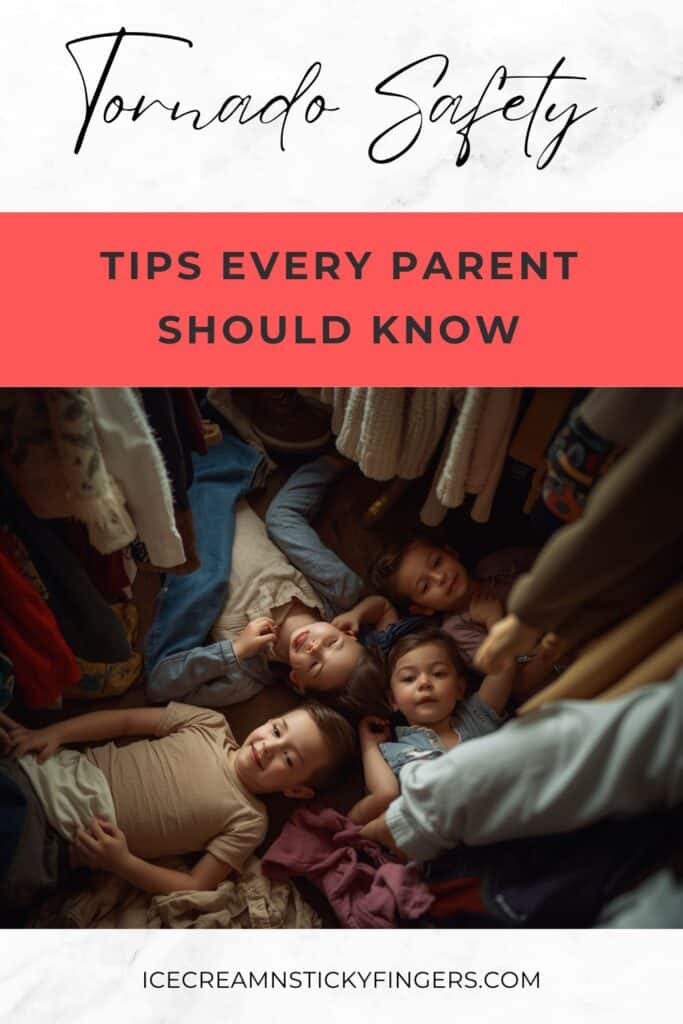
Every household should have a clear tornado safety plan in place. Parents should identify a safe location inside the home where everyone can gather quickly. Basements, interior rooms, or storm shelters provide the best protection from high winds and debris. Practicing this plan helps children respond calmly during an actual emergency.
Communication also plays a key role in emergency readiness. Parents should explain what tornado warnings mean and how to respond immediately. Children who understand the plan feel more confident and less afraid. Consistent practice builds familiarity and reduces confusion.
Choose the Safest Shelter Location
Selecting the right shelter can protect against serious injuries. Interior spaces without windows offer the safest option when a tornado approaches. Families should avoid large open rooms and areas with heavy objects overhead. A small, enclosed space provides better protection from flying debris.
When considering shelter options, many families compare above- vs. below-ground tornado shelters based on accessibility and protection level. Both options provide safety when built and installed correctly. Parents should evaluate what works best for their home and location. Proper placement and maintenance promise reliable protection.
Prepare an Emergency Supply Kit
A well-stocked emergency kit supports safety during and after a tornado. Parents should keep essential items in an easily accessible location. Supplies should support basic needs if power or access becomes limited. A prepared kit helps families stay safe and comfortable. Consider these items:
- Bottled water and non-perishable food
- Flashlights with extra batteries
- First aid supplies (aff link) and necessary medications
- A battery-powered weather radio
- battery backup phone charger

Teach Kids How To Respond Quickly
Children need clear and simple instructions during emergencies. Parents should teach them to move quickly to the designated safe area without hesitation. Practicing drills reinforces these actions and builds confidence. Repetition ensures children know exactly what to do.
Parents should also emphasize staying low and protecting the head and neck. Simple actions like using blankets or cushions can reduce injury risk. Calm guidance helps children stay focused during stressful situations. Prepared children respond faster and more effectively.
Stay Informed During Severe Weather
Access to real-time weather information improves response time. Parents should monitor local forecasts and alerts, especially during storm seasons. Weather apps, radios, and emergency alerts provide important updates. Staying informed allows families to act before conditions worsen. As a native Texan, I have a go-to channel to watch when the weather gets bad, and they keep you the most informed on tornado safety tips and alerts.
Parents should also avoid waiting for visible signs of danger. Tornadoes can develop quickly and may not always appear clearly. Early action improves safety and reduces risk. Awareness remains one of the most effective safety tools.
Tornado safety starts with preparation, communication, and quick action. Parents who create clear plans and teach their children what to do improve their chances of staying safe. Reliable shelter, emergency supplies, and awareness all contribute to better outcomes. Keep in mind that you can adjust these tornado safety tips to fit your family and your situation, especially if you have very young or special needs children.