15 Best Books for First Graders to Love
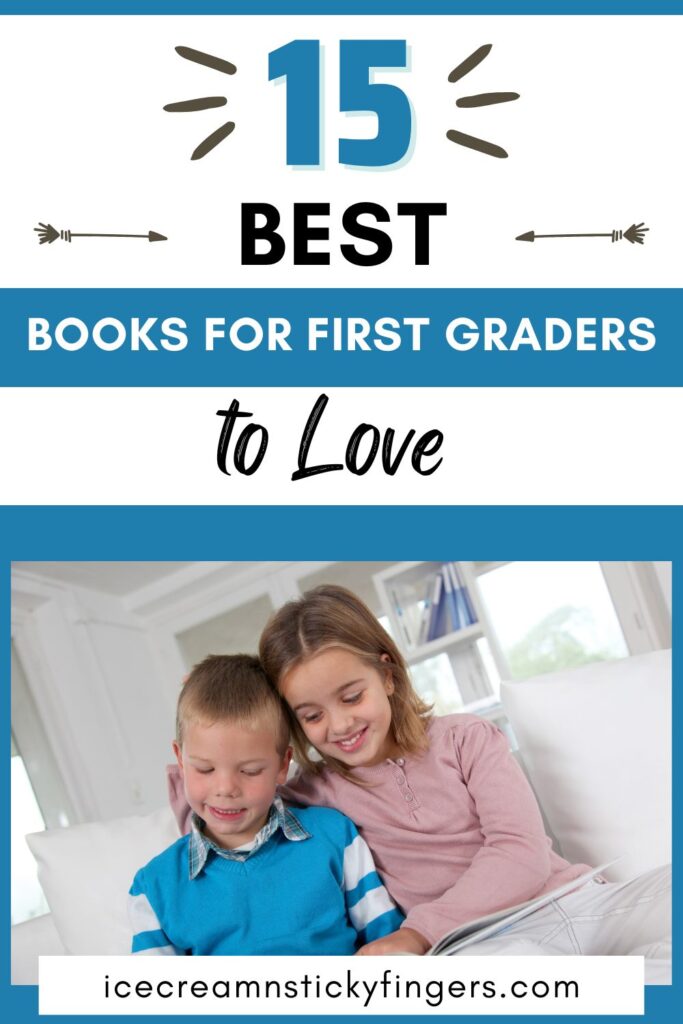
That moment when your first grader finally clicks with reading feels huge. One week they are sounding out every word with a groan, and the next they are giggling through a story and asking for one more chapter. If you are searching for the best books for first graders, the sweet spot is usually simple text, strong pictures, and stories that make kids feel capable instead of overwhelmed.
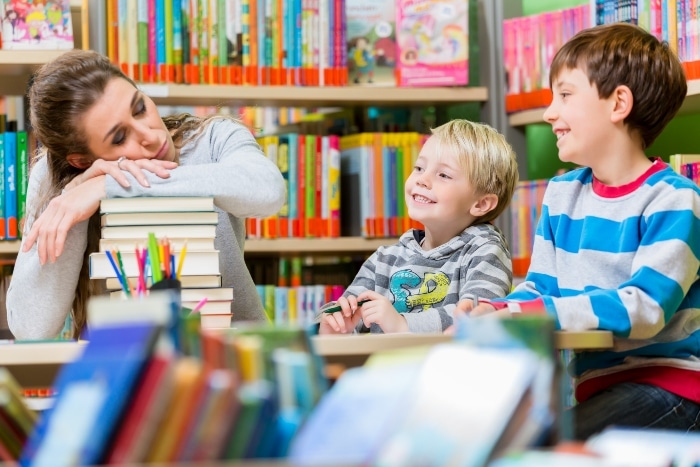
At this age, reading ability can vary a lot. Some first graders are still building confidence with early readers, while others are ready for short chapter books. That is why the best choices are not always the most advanced ones. The right book is the one your child can enjoy without turning story time into a struggle. Let’s take a look at some of the best books for first graders to love.
What Makes the Best Books for First Graders?
First graders are in a funny in-between stage. They still love being read to, but they are also proud of what they can read on their own. Books that work well for this age usually have predictable sentence patterns, lots of picture support, humor, and characters kids want to revisit.
It also helps when the story feels manageable. A long page full of text can shut some kids down fast, even if they technically know the words. On the other hand, books that are too babyish can make a confident reader lose interest. It really depends on your child’s reading level, patience, and personality.
If your child is just starting to read independently, look for shorter sentences and repeated sight words. If they are ready for more of a challenge, early chapter books can be a great next step, especially if you still read a few pages together.
15 Best Books for First Graders
Elephant & Piggie series by Mo Willems
If you have a child who likes to laugh, this series is hard to beat. The speech-bubble format makes the pages feel less intimidating, and the expressions on the characters do a lot of storytelling work. These books are excellent for kids who are still growing confidence because the text is simple without feeling boring.
Frog and Toad Are Friends by Arnold Lobel
This classic still works beautifully for first grade. The stories are gentle, funny, and easy to follow, with short chapters that help kids feel like they are reading a bigger book. It is also a nice pick for children who do not want noisy or fast-paced stories all the time.
Biscuit by Alyssa Satin Capucilli
Biscuit books are a favorite for many beginning readers because the wording is repetitive and comforting. The little yellow puppy is easy to love, and the stories stay close to everyday experiences. That familiarity can help nervous readers relax into the text.
Amelia Bedelia by Peggy Parish
Amelia Bedelia is especially fun for kids who enjoy silly misunderstandings. Some of the wordplay may need a little parent explanation at first, but that can actually make reading together more interactive. This one works best for first graders who are ready for slightly more language complexity.
Little Bear by Else Holmelund Minarik
Little Bear has that calm, cozy feeling many parents remember from their own childhood. The stories are sweet and simple, and the vocabulary stretches kids just enough without making the book feel too hard. It is a strong bridge between easy readers and longer storybooks.
Narwhal and Jelly series by Ben Clanton
Graphic-style books can be a great confidence boost for young readers, and this series proves that pictures and strong storytelling go hand in hand. Narwhal and Jelly is playful, bright, and full of humor. For kids who say they do not like reading, this series often changes their mind.
Pete the Cat series by James Dean
Pete the Cat books are popular for a reason. They are upbeat, repetitive, and built around a laid-back character kids love. If your child enjoys books with rhythm and a predictable structure, these can make reading feel more approachable.

Henry and Mudge series by Cynthia Rylant
For first graders ready to try early chapter books, Henry and Mudge is a wonderful step up. The chapters are short, the language is clear, and the friendship between a boy and his dog feels warm and relatable. These books are especially nice for bedtime reading because they are calm without being dull.
Splat the Cat series by Rob Scotton
Some children need a little more action and visual energy to stay engaged. Splat the Cat delivers that while still being accessible for young readers. The illustrations add humor and clues that support comprehension, which is helpful when a child hits an unfamiliar word.
Fly Guy series by Tedd Arnold
Fly Guy is one of those series kids either instantly adore or do not care about at all. For many first graders, though, the oddball humor is exactly what keeps them turning pages. The short text and silly premise make these books feel doable and fun.
Mercy Watson series by Kate DiCamillo
If your first grader wants a “real chapter book” but still needs plenty of support, Mercy Watson is a smart choice. The pig-centered stories are funny and charming, and the full-color illustrations break up the text nicely. This is often a good read-aloud first, then an independent read later.
The Berenstain Bears series by Stan and Jan Berenstain
These books work well because they connect to familiar childhood issues like manners, school, and bedtime. That said, some parents find certain titles a little preachy, so it helps to choose based on your child’s interests. When the topic matches what your child is dealing with, they can be very effective.
Pinkalicious by Victoria Kann
Pinkalicious tends to be a hit with kids who love sparkle, color, and a bit of drama. The vocabulary can be more challenging than a basic early reader, so this may be better as a shared reading book for some first graders. Still, the playful tone keeps it from feeling like work.
There Is a Bird on Your Head! by Mo Willems
This title gets its own mention because it is often the book that makes kids realize reading can be hilarious. Even reluctant readers like acting out the lines. When a book invites performance, it can make a huge difference for children who are still hesitant.
Junie B. Jones series by Barbara Park
This one depends on the child. Many first graders love Junie B. because she sounds like a real kid and gets into funny situations. Others may not be ready for the length or the more advanced language. If your child enjoys being read to and is starting to handle longer stories, this series can be a great family read-aloud.
How to Choose Books Your First Grader Will Actually Read
A lot of parents put pressure on themselves to pick the “right” books, but interest matters just as much as reading level. A child who loves dogs, trucks, fairies, or jokes will work harder for a story that fits their world. That is not cheating. That is how many kids become readers.
Try the five-finger check if you are unsure about a book. Ask your child to read one page and hold up a finger for each word that feels too hard. If they get to five fingers on one page, the book may be frustrating for independent reading right now. It can still be a great read-aloud.
Series are also your friend. When kids connect with a character, they often gain confidence faster because each new book feels familiar. You are not starting from scratch every time.
Best Books for First Graders at Different Reading Stages
If your child is just beginning, lean toward Biscuit, Elephant & Piggie, and Pete the Cat. These books offer repetition and visual support, which lowers the pressure.
If your child is growing more confident, try Frog and Toad, Little Bear, Splat the Cat, or Fly Guy. These give kids a little more story depth while still feeling manageable.
If your child is ready for longer books, Henry and Mudge, Mercy Watson, and some Junie B. Jones titles can be a solid next step. Just remember that being ready for chapter books in listening does not always mean being ready for them alone. Shared reading still counts.
A Few Simple Ways to Make Reading Time Easier at Home
You do not need a picture-perfect reading routine. Even ten minutes on the couch after dinner can help. Let your child choose the book sometimes, even if it is the same one for the tenth night in a row.
It also helps to take turns reading. You read one page, they read the next. Or you handle most of the story and let them read repeated lines. That small shift can build confidence without making your child feel put on the spot.
And if your first grader seems tired, wiggly, or resistant, that does not automatically mean they dislike reading. Sometimes they are just done for the day. Busy parents know not every skill-building moment has to look magical to still matter.
The best book for your first grader is the one that makes them ask, “Can we read another?” Start there, follow their interests, and let reading grow one good story at a time. There are so many books to choose from but these are the best books for first graders that many teachers love to use in the classroom too.