Best Chores by Age for Kids at Home
If you have ever asked your child to clean up and somehow ended up with one sock in the toy bin, a fork under the couch, and tears from everyone involved, you are not alone. Finding the best chores by age can make a huge difference because the right task feels doable, useful, and much less likely to turn into a daily power struggle.
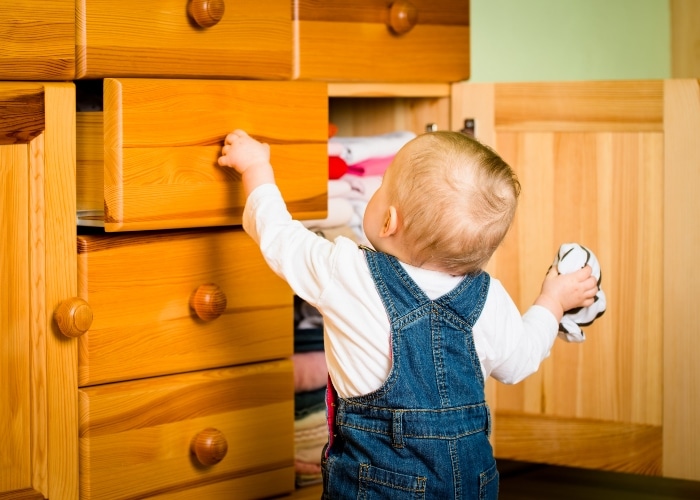
The trick is not giving kids more to do. It is giving them jobs that actually match their stage. A 3-year-old can help, but not in the same way a 9-year-old can. And a tween who can manage a dishwasher might still need reminders to put dirty clothes in the hamper. That does not mean the system is failing. It means kids grow into responsibility one small habit at a time.
Why the Best Chores by Age Work Better
Age-appropriate chores help kids feel capable instead of overwhelmed. When a job fits their motor skills, attention span, and maturity level, they are more likely to follow through. That matters because chores are not just about a cleaner house. They teach kids that families work as a team and that everyone contributes in some way.
There is also a practical side for parents. You are less likely to repeat yourself ten times when the expectation is clear and realistic. Asking a preschooler to put books back on a shelf is very different from asking them to organize a closet. One builds confidence. The other usually builds frustration.
It also helps to remember that readiness is not only about age. Personality, energy level, developmental differences, and family schedule all play a part. Some 6-year-olds love responsibility. Some 10-year-olds still need very specific directions. That is normal.
Best Chores by Age: What Kids Can Really Handle
Toddlers Ages 2 to 3
At this stage, chores should feel simple and short. Toddlers love to imitate what they see, which makes this one of the easiest ages to introduce helping. The goal is not perfect results. The goal is participation.
Good chores for toddlers include putting toys in a bin, placing books on a low shelf, carrying clothes to the hamper, throwing away trash, and wiping up tiny spills with help. They can also help feed a pet if you measure the food first.
You will need to stay close and guide them through almost every step. That is expected. Toddlers thrive on routine and praise, so a cheerful “let’s put the blocks away together” usually works better than a long explanation.
Preschoolers Ages 4 to 5
Preschoolers can handle a little more structure and are often proud to have a “real” job. They still need supervision, but they can complete basic tasks with less hands-on help than toddlers.
This is a good age for making their bed in a simple way, clearing their plate after meals, matching socks, watering plants, putting shoes by the door, and helping set the table with non-breakable items. Many kids this age can also tidy a bedroom if you break it down into small steps.
Keep expectations modest. A made bed might look lumpy, and the forks on the table might all face different directions. That is okay. If you redo everything in front of them, they learn their effort does not count. And the goal is to help get them contributing to the family using our best chores by age guide.
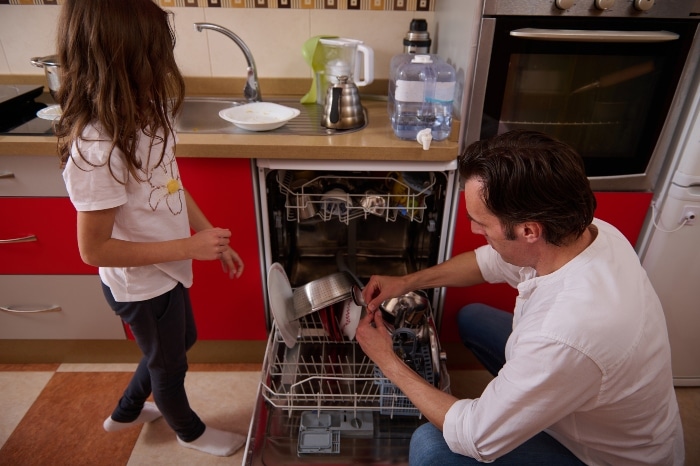
Early Elementary Ages 6 to 8
This is often the sweet spot for building solid chore routines. Kids in this age range usually understand directions better, can remember multi-step tasks, and like knowing what is expected.
Helpful chores include unpacking a lunchbox, sweeping small areas, folding washcloths and towels, emptying small trash cans, helping pack snacks, sorting laundry by color, and loading parts of the dishwasher that are safe and easy to reach. They can also straighten shared spaces like the living room before bedtime.
If mornings and evenings feel rushed, choose one anchor chore for each part of the day. For example, a child might make their bed in the morning and clear the table after dinner. Small, repeated tasks tend to stick better than a long weekend list.
Older Elementary Ages 9 to 12
Kids in this stage can take on chores that make a real dent in household work. They are old enough to handle more independence, but they still do best with consistent routines and occasional check-ins.
Strong options include vacuuming, unloading the dishwasher, folding and putting away their own laundry, cleaning bathroom counters, packing school bags, helping prep simple meals, taking out the trash, and changing bed sheets with guidance. Some kids can also help rake leaves, bring in groceries, or watch a younger sibling for a very short stretch while you are nearby.
This is also a good age to connect chores to life skills. Knowing how to sort laundry, wipe down a bathroom sink, or prepare a basic breakfast helps kids feel more confident. It is not about turning your child into the household manager. It is about teaching them how to function well at home.
Teens Ages 13 and up
Teenagers can usually handle the same household tasks adults do, although willingness may be another story. The best approach is to give them responsibilities that are clear, useful, and tied to the rhythm of family life.
Teens can wash dishes, do their own laundry start to finish, clean bathrooms, mow the lawn, babysit younger siblings when appropriate, help cook dinner, grocery shop with a list, and keep their personal space reasonably clean. They can also manage recurring jobs like taking bins to the curb or cleaning out the car.
The trade-off here is independence versus reminders. Teens often want autonomy, but many still need follow-through systems. A shared checklist, a weekly reset day, or a simple “done before screens” rule can help without turning every task into an argument.

How to Make Chores Actually Stick
The best chores by age is to create a plan that your family can keep doing on an ordinary Tuesday. That usually means simple expectations, not a picture-perfect chart with twenty tasks no one remembers by week two.
Start small. If your child is new to chores, give one or two jobs and practice them until they feel routine. Adding too much at once often backfires, especially for younger kids.
Be specific. “Clean your room” is vague for many children. “Put stuffed animals in the basket, books on the shelf, and dirty clothes in the hamper” is much easier to follow.
Consistency matters more than intensity. A five-minute tidy every evening often works better than a long Saturday cleanup session that everyone dreads. Predictable routines reduce pushback because kids know what is coming.
It also helps to decide what counts as a family contribution and what counts as extra work. Many parents prefer that basic chores are simply part of home life, while optional, bigger jobs can earn money. There is no one right answer here. If an allowance system helps your family, use it. If it creates more negotiation than help, keep it simple.
When Chores Turn Into a Battle
Sometimes the issue is not laziness. The chore may be too big, too unclear, or badly timed. Asking a hungry 7-year-old to clean their room right after school is different from asking them to spend five minutes putting away shoes and backpacks before a snack.
Resistance can also show up when kids feel corrected at every turn. If you want children to keep helping, look for effort before perfection. Of course, some jobs need to be done properly for safety or hygiene. But for many everyday tasks, “good enough” is a better teacher than constant criticism.
If your child has ADHD, sensory challenges, anxiety, or another difference that affects routines, chores may need more support. Visual cues, shorter tasks, body doubling, timers, or side-by-side help can make a big difference. Matching the chore to the child matters just as much as matching it to the age.
A Realistic Way to Build Responsibility
You do not need a perfect system or a chore chart worthy of social media. You just need a few expectations that your kids can understand and practice often. The best chores by age are the ones that help children contribute without setting them up to fail.
Some seasons will feel smoother than others. A toddler may love wiping the table one month and refuse the next. A tween may suddenly “forget” how to unload the dishwasher. That does not mean chores are not working. It means parenting is rarely linear.
Keep the jobs simple, keep the routine steady, and let your kids grow into being helpful one task at a time. A child who knows they are capable of contributing at home carries that confidence into much more than just chores. Don’t give up and keep enforcing these best chores by age to your children.