
After School Routine for ADHD That Works
The hardest part of the day is often not the morning rush. It is that stretch between school pickup and bedtime, when your child is worn out, hungry, overstimulated, and somehow still expected to hold it together. If you are trying to build an after school routine for ADHD, you are not failing because the afternoons feel messy. Afternoons are messy for a reason.
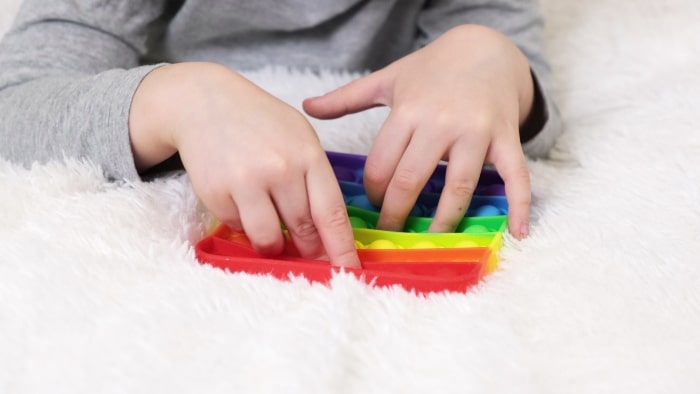
Kids with ADHD often spend the school day using a huge amount of mental energy to follow directions, sit still, manage transitions, and mask frustration. By the time they get home, they may be out of patience and self-control. That is why a good routine is less about squeezing in more productivity and more about helping your child recover, regulate, and move through the evening with fewer battles. Let’s take a look at some after school routine for ADHD kids that actually works.
Why an After School Routine for ADHD Matters
A predictable afternoon rhythm can lower stress for everyone in the house. It gives your child fewer decisions to make when their brain is already tired. It also helps you stop reinventing the wheel every day at 3:30.
That said, the best routine is not always the most structured one. Some kids need a very clear visual schedule and the same order every day. Others do better with a flexible framework because sports, therapy, sibling needs, and plain old life can throw things off. The goal is not perfection. The goal is a routine your child can actually live with.
A strong after-school plan usually supports four things: decompression, movement, food, and a manageable path into homework or evening responsibilities. When one of those pieces is missing, the whole afternoon can start to wobble.
Start With Decompression, Not Demands
Many parents make the mistake of leading with questions and tasks. How was school? Do you have homework? Put your shoes away. Wash your hands. Tell me what happened at recess. For a child with ADHD, that can feel like being hit with a wall of demands the second they walk in the door.
Instead, give your child a decompression window first. This does not have to be long. Even 15 to 30 minutes can make a real difference. During that time, keep expectations low and the environment calm.
For one child, decompression might look like sitting in a quiet corner with a snack and a favorite show. For another, it may mean jumping on the trampoline, riding a scooter, or crashing into couch cushions for a few minutes. Some kids need sensory input. Some need silence. Some need connection before they can separate and reset.
This is where it helps to let go of what you think an after-school routine should look like. If your child truly needs movement before they can listen, forcing them straight into homework may create a longer and more exhausting evening.
Watch for the Difference Between Avoidance and Regulation
This part can be tricky. Not every delay is healthy decompression, and not every protest means your child is manipulating the situation. Sometimes they really are dysregulated. Sometimes they are trying to avoid a hard task.
The easiest way to tell is to look at what happens after the break. If your child is more settled, more cooperative, and more able to transition, the break is probably doing its job. If they get more wound up and harder to redirect, the decompression activity may need to change.
Build the Routine Around Your Child’s Energy Patterns
There is no perfect after school routine for ADHD that works for every family because kids do not all crash in the same way. One child may come home starving and emotional. Another may look fine until 5:00, then completely fall apart. Some do best with homework immediately after a snack. Others need at least an hour before they can even look at a worksheet.
Pay attention for a week or two before you overhaul everything. Notice when your child seems most calm, most hungry, most distracted, and most resistant. Those patterns tell you more than any generic schedule ever will.
In most families, a workable rhythm looks something like this: arrival, snack, movement or quiet time, homework in short chunks, then the evening routine. But the order can shift. If your child is medicated and the medication is wearing off right after school, homework may need to happen earlier or be broken into much smaller pieces. If your child is in elementary school and already mentally tapped out, it may be better to focus on reading, one small assignment, and letting go of the idea that every afternoon needs to be highly productive.
Food and Movement Are Not Extras
A lot of afternoon behavior problems are made worse by two very basic things: hunger and a body that needs to move. That does not mean every meltdown is solved by crackers and a walk around the block. It does mean you should not underestimate how much these basics matter.
Offer a snack that combines protein and carbs if you can. It does not have to be fancy. Think cheese and pretzels, apple slices with peanut butter, yogurt and granola, or a turkey roll-up. If your child is the kind of kid who gets more irritable when blood sugar drops, having the same snack ready each day can remove one more friction point.
Movement matters for similar reasons. Many kids with ADHD need a physical release after sitting and containing themselves all day. A short burst of active play can help them focus better later. The key is choosing movement that regulates rather than overstimulates. A bike ride, a dance break, shooting baskets, or a quick obstacle course may help. A screen-based game that ramps your child up right before homework probably will not.
Make Homework Smaller Than you Think it Should Be
Homework is where many afternoons go sideways. The mistake is often not the homework itself. It is the way it is presented. Telling a tired child to sit down and finish everything can feel impossible, even if the actual assignment is not that big.
Try reducing the visual and mental load. Instead of saying, Do your homework, say, Let’s do the first two problems together, or, Read for ten minutes and then we will check in. Breaking work into short, clear chunks gives your child a starting point, which is usually the hardest part.
Use structure without turning into the homework police
Kids with ADHD often need external structure, but too much hovering can backfire. A timer can help because it makes the task feel finite. So can a simple checklist with no extra fluff. First math, then reading, then backpack by the door.
If your child melts down every day over homework, it is worth asking whether the routine is the problem or the workload is. Sometimes school expectations and home reality are just not lining up well. If that is happening regularly, a conversation with your child’s teacher may be more helpful than doubling down at home.

Keep Transitions Visible and Predictable
Transitions are hard for many kids with ADHD, especially in the afternoon when self-control is already running low. What helps is making the next step obvious before the current one ends.
That can be as simple as a five-minute warning before switching activities or a visual schedule posted on the fridge. Younger kids often do better when they can see what comes next instead of hearing a stream of reminders. Older kids may respond better to a whiteboard checklist they can help create.
Predictability also matters for emotional safety. When your child knows what to expect after school, they spend less energy bracing for surprise demands. That alone can lower resistance.
Expect the Routine to Need Adjusting
One of the most frustrating parts of parenting a child with ADHD is that something can work beautifully for two weeks and then stop working. That does not always mean you did something wrong. Kids change, school demands shift, sleep gets off track, medication timing changes, and family life is rarely consistent.
Think of your routine as a working plan, not a permanent contract. If afternoons are getting rough again, go back to the basics. Is your child getting enough decompression? Are they too hungry? Is homework starting at the wrong time? Is the routine too complicated to follow when they are tired?
Sometimes the fix is surprisingly small. Moving homework 20 minutes later, changing the snack, or cutting one unnecessary step can take the pressure down fast.
What a Realistic After School Routine for ADHD Kids Can Look Like
A realistic routine does not need to be pretty or Pinterest-worthy. It needs to be repeatable on an ordinary Wednesday when everyone is tired.
Maybe your child comes in, drops their backpack in the same spot, eats a snack at the table, spends 20 minutes outside, then does one homework block before dinner. Maybe they need a shower right away to reset. Maybe they need you nearby while they work, even if you are just folding laundry at the same table. The details matter less than the pattern.
What helps most is consistency with compassion. Your child may still have hard afternoons. You may still have days when the routine falls apart because someone has practice, someone forgot a folder, and dinner is later than planned. That does not mean the after school routine for ADHD kids is useless. It means you are raising a real kid in a real house.
If you need a place to start, keep it simple: snack, reset, move, one small task, then the evening. Once that feels steady, you can build from there. And if today was a disaster, tomorrow at 3:00 is another chance to try again with a little more information and a little less pressure. Try these new after school routine for ADHD kids and tailor it to your child’s needs.