How to Reduce School Refusal at Home
Some school mornings go sideways fast. Your child says their stomach hurts, hides under the blanket, cries at the door, or begs to stay home just this once. If you are searching for how to reduce school refusal, you are probably already carrying a mix of worry, guilt, frustration, and plain old exhaustion.
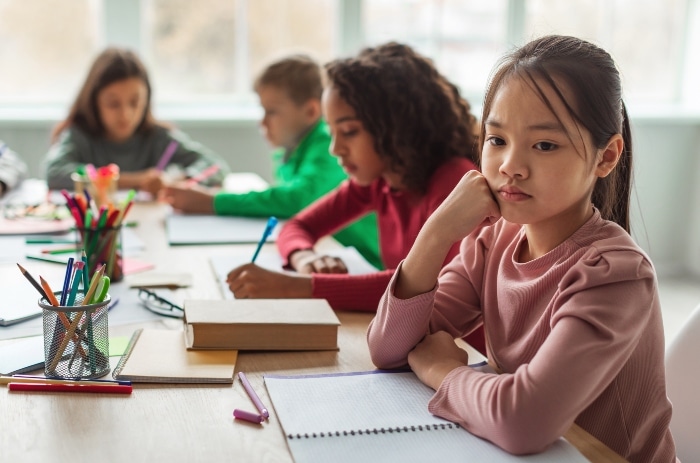
School refusal is not the same thing as a child simply not feeling like going to school now and then. Most kids complain about school occasionally. School refusal usually looks more intense, more frequent, and more emotionally charged. A child may panic, shut down, cling, melt down, or develop physical complaints like headaches, nausea, or stomach pain right when school is involved.
That does not automatically mean something is terribly wrong, but it does mean the behavior needs attention. The goal is not to force a child through fear without support. It is also not to accidentally build a pattern where avoiding school becomes the only thing that brings relief. Let’s take a look at how to reduce school refusal at home!
What School Refusal Often Looks Like at Home
For some families, it starts after a break, a move, an illness, bullying, or a change in teachers. For others, it seems to come out of nowhere. A child who was doing fine suddenly cannot get into the car, or an anxious kindergartener never fully settles into the routine.
Sometimes the signs are obvious. Your child says, “I hate school,” or “Don’t make me go.” Sometimes it is less direct. They may stall getting dressed, miss the bus on purpose, cry every Sunday night, or ask to visit the nurse every day. Younger kids may become clingier. Older kids may get angry, withdrawn, or argumentative.
The reason matters. A child avoiding school because of separation anxiety needs a different kind of support than a child avoiding school because of reading struggles, friendship problems, or sensory overload. That is why slowing down long enough to look for patterns can help.
How to Reduce School Refusal by Finding the Real Trigger
Before you jump straight to consequences or rewards, try to understand what your child is escaping or what they are seeking when they avoid school. Relief is powerful. If staying home immediately lowers their distress, the refusal can grow quickly, even when the original trigger was small.
Start with gentle curiosity. Ask simple questions during a calm moment, not in the middle of the morning meltdown. You might say, “What feels hardest about school right now?” or “When did it start feeling bad?” Some kids can tell you directly. Others need you to notice clues.
Pay attention to timing. Is the problem worse on Mondays? After the holidays? Before math? On PE days? When there is a substitute teacher? Right before drop-off? Patterns often point to the root issue.
It also helps to consider a few common possibilities: anxiety, academic frustration, social stress, sleep problems, learning differences, bullying, family changes, or recent illness. If your child has repeated physical complaints, it is worth checking in with your pediatrician, too. Sometimes medical concerns and emotional stress overlap.
Resist the Trap of Too Much Reassurance
This part is hard because reassurance is such a natural parenting instinct. When a child is sobbing, most of us want to say, “You can stay home today,” or “I promise nothing bad will happen.” The problem is that both can backfire.
Letting a child stay home too often can make school feel even bigger and scarier the next day. Overpromising that everything will be fine can also miss the point. Your child may not believe you, especially if school has felt overwhelming for a while.
A steadier message usually works better. Try, “I know school feels really hard right now, and I know you can get through this. We are going to help you.” That response is calm, supportive, and clear. It validates the feeling without handing control over to the fear.
Build a Morning Plan That is Boring and Predictable
When school refusal has become part of the morning routine, the household can start revolving around the struggle. That usually makes things heavier for everyone. A simple, repeatable plan helps.
The night before, lay out clothes, pack the backpack, and make lunch if needed. Keep mornings low-drama and as predictable as possible. If your child gets stuck easily, use a visual checklist with very basic steps like get dressed, eat breakfast, brush teeth, and put on shoes.
Try to reduce negotiations. Too many choices can create more room for avoidance. It is fine to offer small choices like a blue shirt or a green shirt, cereal or toast. It is less helpful to reopen the question of whether they are going to school.
If your child struggles most at drop-off, keep that routine short and consistent. Long goodbyes often increase distress. A quick hug, one calming phrase, and a clear handoff to school staff tends to work better than circling the parking lot for twenty minutes.
How to Reduce School Refusal With Gradual Support
Not every child can jump from full refusal to a totally normal week overnight. Sometimes the best path is gradual, especially if anxiety is intense. The key is that the plan should still move toward regular attendance rather than avoiding school completely.
For one child, gradual support may mean walking into the building with a parent for a few days, then separating at the classroom door. For another, it may mean attending for half a day before building back up. This is where teamwork with the school matters a lot.
The trade-off is that gradual plans need structure. If they are too open-ended, they can stall. Parents and school staff should agree on what the first step is, how long it lasts, and what the next step will be.

Work With the School Sooner Than you Think you Need To
Many parents wait because they hope the problem will pass. Sometimes it does. But if refusal is happening more than once or twice, reaching out early can save everyone stress.
Start with your child’s teacher, counselor, or attendance office. Share what you are seeing at home and ask what they are noticing at school. You want the full picture. Some children melt down before school but settle quickly once they arrive. Others hold it together until they are in class and then unravel.
Ask practical questions. Is there a safe person your child can check in with? Can they have a calm arrival routine? Are there friendship concerns? Missing assignments? A pattern of nurse visits? Small school-based supports can make a big difference.
If bullying, learning struggles, or major anxiety seem to be part of the picture, say that clearly. Parents are sometimes afraid of sounding dramatic, but direct communication helps the school respond appropriately.
Watch What Staying Home Becomes
If your child does stay home, try not to make it feel like a reward. That sounds harsh, but it matters. A day filled with favorite snacks, TV, gaming, and cozy attention can accidentally teach the brain that refusing school is an effective escape route.
A sick day at home should be quiet and boring. Rest, simple meals, and limited entertainment send the message that home is for being sick, not for avoiding hard things. You can still be kind and comforting without turning the day into a treat.
At the same time, avoid shaming your child. They are not trying to ruin your morning. Most children dealing with school refusal are overwhelmed, not manipulative. You can hold a firm boundary and still respond with compassion.
When Outside Help Makes Sense
If school refusal is persistent, severe, or clearly tied to anxiety, depression, trauma, bullying, or learning difficulties, getting professional support is a smart next step. A pediatrician can rule out medical issues and help guide you. A therapist who works with children can help your child build coping skills and help you respond in ways that lower avoidance instead of feeding it.
There is no prize for handling this alone. Sometimes families need more support than a sticker chart and a pep talk can provide.
What Helps Most on the Hardest Mornings
When things are really tense, keep your language short and calm. Long lectures usually pour gas on the fire. A simple script like, “I know this is hard. We are sticking with the plan. I will help you get there,” is often more useful than trying to reason through every fear in the moment.
If your child is dysregulated, focus on regulation first. Slow breathing, a drink of water, a cool washcloth, or sitting quietly for two minutes may help more than repeating instructions louder. Calm does not solve everything, but it gives you a better shot at moving forward.
Parents need support here, too. School refusal can throw off work, childcare, siblings, and the whole mood of the house. If that is your family right now, you are not failing. You are dealing with a real parenting challenge, and it usually improves faster when you stay steady, get curious, and ask for help early.
Progress may look uneven for a while. One good week does not mean the issue is gone, and one bad morning does not erase the steps forward. Keep aiming for connection, consistency, and attendance. For most kids, that combination is where confidence starts to grow again. We hope that you can use these tips on how to reduce school refusal at home to help get your child back to school.