15 Family Volunteer Ideas That Actually Work
Saturday afternoon usually sounds great in theory until someone is hungry, someone is tired, and someone spills juice on the floor. That is exactly why the best family volunteer ideas are the ones that fit real life, not some picture-perfect version of it. If you want your kids to learn kindness, responsibility, and community care, you do not need a huge project or a free weekend. You need a doable plan.
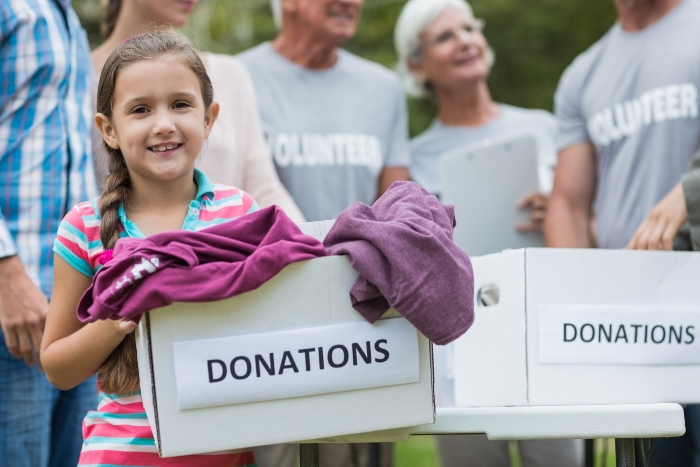
Volunteering as a family can be meaningful, but it also comes with real-world limits. A toddler may not have the attention span for a long event. An elementary-age child may love helping but get overwhelmed in unfamiliar spaces. And parents are already juggling enough. The sweet spot is finding service opportunities that feel manageable, age-appropriate, and genuinely useful.
Why Family Volunteer Ideas Matter at Home and in the Community
Kids learn empathy best when they can see it in action. Talking about helping others is valuable, but doing something concrete makes it stick. When children sort food for a pantry, make cards for seniors, or help clean up a park, they start to understand that being part of a community means caring about other people.
That said, not every volunteer activity works for every family. Some are better for younger kids because they are hands-on and short. Others are a stronger fit for older children who can follow directions, stay on task, or handle more emotional situations. It helps to think less about doing the most impressive project and more about doing something your family can repeat.
Family Volunteer Ideas for Busy Parents
If your schedule is packed, start with service that can happen at home. This removes a lot of the stress around driving, timing, and unpredictable behavior.
One simple option is assembling care kits. Your family can pack zip-top bags with travel-size toiletries, socks, tissues, bandages, and snacks to donate where they are needed. Younger kids can help sort items by type or color. Older kids can check quantities and make sure each bag has the same basics. It is practical, easy to explain, and does not require a giant block of time.
Another strong choice is writing cards or drawing pictures for nursing home residents, hospital patients, military members, or community helpers. This works especially well for younger children who want to participate but are not ready for a formal volunteer site. It also gives you room for a good conversation. You can talk about loneliness, encouragement, and how small gestures can brighten a hard day.
You can also make donating part of your regular home routine. Have your kids help choose gently used toys, books, coats, or baby gear to pass along. This may not feel as exciting as a big event, but it teaches generosity in a very real way. The trade-off is that younger kids sometimes struggle with letting things go, so give them time and avoid forcing every choice.
Outdoor Family Volunteer Ideas Kids Usually Enjoy
Many children do better when they can move their bodies, especially if sitting still and staying quiet is a challenge. Outdoor volunteering can be a great fit.
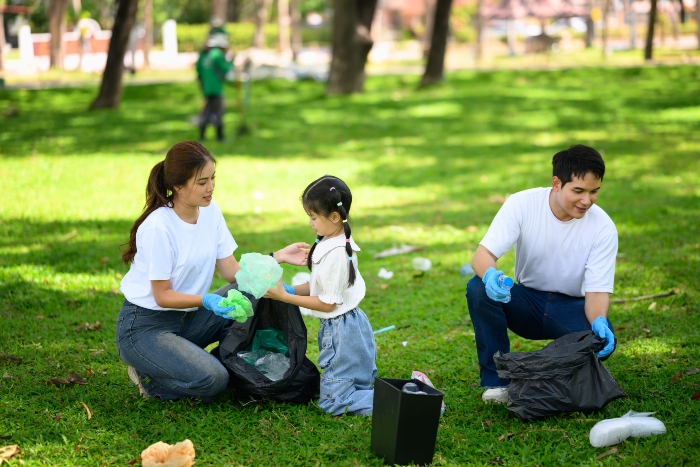
Cleaning up a local park, trail, or neighborhood green space is one of the easiest ways to get started. Gloves, trash bags, and a short time limit are usually enough. Even preschoolers can help spot litter. Older kids may enjoy turning it into a small mission by tracking how many bags your family fills. Keep safety in mind and avoid areas with sharp objects or heavy traffic.
Community gardens are another option worth checking. Families can help water, weed, harvest, or prepare beds depending on the season. This kind of volunteering has an extra benefit for kids because they can see how food grows and where it goes. If your child already likes digging in the dirt, this can feel less like service and more like a satisfying afternoon.
Animal-related service can also work well, but this one depends on age rules. Some shelters allow families to donate supplies, make pet toys, or help with laundry rather than direct animal handling. If your kids adore animals, this can be a strong way to connect their interests with helping.
Family Volunteer Ideas for Younger Kids
Younger children usually need projects they can understand quickly. Abstract ideas like poverty or food insecurity may be too big to fully grasp, but concrete acts of helping make sense.
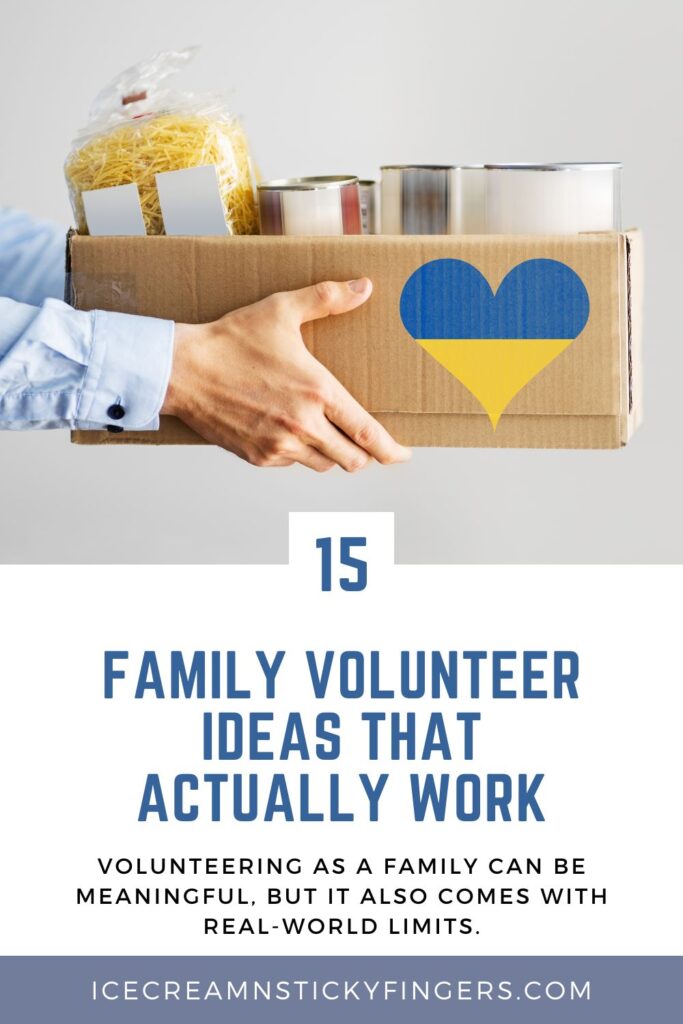
Food drives are a good example. Let your child help choose canned goods, pasta, cereal, or other basics at the store, then carry them to a donation spot. You can keep the message simple: some families need extra help with groceries, and we can share.
Baking for others can also be meaningful if you keep expectations realistic. Your family might make cookies or muffins for firefighters, teachers, neighbors, or a family going through a hard week. Younger kids can pour, stir, and decorate. It is less about perfect results and more about letting them take part in giving.
Another easy option is making no-sew blankets, coloring bookmarks, or decorating lunch sacks for charitable programs. These activities are especially helpful when you need something calm and home-based. They feel creative rather than formal, which can lower resistance for little kids.
Family Volunteer Ideas for Older Kids and Tweens
As kids grow, they usually want more ownership. This is a great time to move from simple participation to shared responsibility.
Older children can help organize a mini fundraiser for a cause they care about. That might mean a lemonade stand, a garage sale, or collecting school supplies for local classrooms. The bigger lesson here is not just generosity. It is planning, communication, and follow-through.
Tweens may also be ready to volunteer at community events, sorting donated goods, helping at a church outreach, or preparing meal packages. Some organizations have age minimums, so check ahead. The best experiences give kids a real job to do instead of asking them to stand around waiting.
This is also a good age to let your child choose the cause. One kid may care deeply about animals, while another feels drawn to helping younger children or protecting the environment. Motivation matters. Service tends to go better when kids feel connected to the reason behind it.
How to Choose the Right Family Volunteer Ideas
A good volunteer plan should work for your actual season of life. If you have a baby, keep it short and local. If your kids melt down around mealtime, avoid events that run through lunch. If one child is sensitive to noise or crowds, skip busy settings and choose an at-home project instead.
It also helps to think about emotional readiness. Some service opportunities involve difficult realities, and not every child is prepared for that. There is nothing wrong with starting small. In fact, smaller, repeatable experiences often build a stronger habit of service than one big emotional event.
Before you commit, ask a few practical questions. How long will it last? What will my child actually be doing? Is there downtime? Are there restroom breaks, snacks, and a clear plan? Busy parents know that logistics can make or break even the best idea.
Making Family Volunteer Ideas Feel Meaningful, Not Forced
Children can usually tell when an activity is more about checking a box than helping. The best way to avoid that is to involve them in the process. Let them help choose the project, gather supplies, and talk about who they are helping.
Afterward, keep the conversation simple. Ask what they noticed, what felt good, and what was hard. Some kids will have a lot to say. Others will shrug and ask for a snack. Both reactions are normal. The goal is not a perfect heartwarming moment every time. The goal is raising kids who understand that helping others is part of family life.
At Ice Cream n Sticky Fingers, we know parents do not need one more thing that sounds nice but falls apart in practice. The best family volunteer ideas are the ones you can actually do with the energy, budget, and attention span your household has right now.
If you start with one small act of service this month, that is enough. Kids do not need grand gestures to learn compassion. They just need regular chances to see what it looks like when a family shows up for other people.