Guide to Baby Proofing Home Room by Room
That moment when your baby goes from happily lying on a blanket to suddenly rolling, scooting, and grabbing everything in sight can make your house feel completely different overnight. A good guide to baby proofing home starts with that reality: you do not need a perfect house, but you do need to think like a curious little person who has no idea what is dangerous.

The goal is not to eliminate every bump or turn your home into a padded box. It is to reduce serious risks while making everyday life easier for you. Some fixes are quick, some take a weekend, and some depend on your child’s personality. A climber, a fast crawler, and a baby who puts everything in their mouth will each test your setup in different ways.
When to Start This Guide to Baby Proofing Home
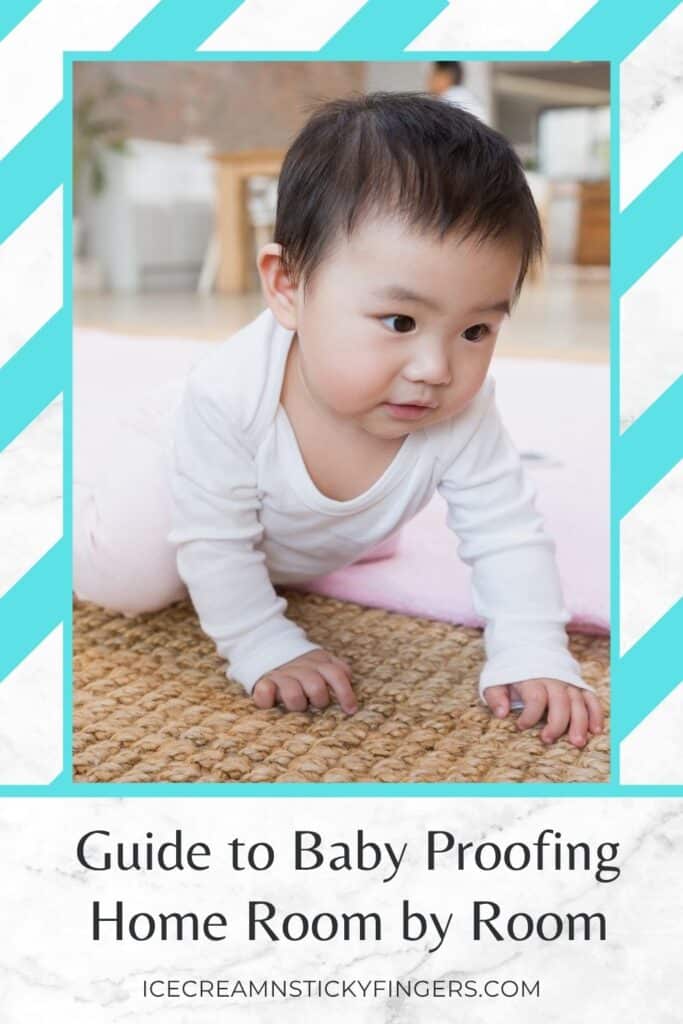
When is the perfect time to start this guide to baby proofing home? Most parents wait until baby is crawling, but honestly, that can be cutting it close. The best time to baby proof is before your child becomes mobile, usually sometime between 3 and 6 months. That gives you time to notice hazards without trying to install cabinet latches while your baby is halfway up the stairs.
It also helps to think in stages. Newborn safety is mostly about sleep, feeding, and safe places to set baby down. Once rolling starts, floor-level hazards matter more. After crawling and pulling up, furniture, cords, doors, and anything within reach suddenly become a bigger concern.
Start With the Biggest Risks First
If your to-do list feels long, begin with the hazards most likely to cause serious injury. Secure heavy furniture to the wall, add gates at stairs, lock away medicines and cleaning products, and make sure cords, batteries, and choking hazards are out of reach.
This matters because not all baby proofing jobs carry the same weight. Covering every table edge may feel productive, but it should not come before anchoring a dresser that could tip or moving dishwasher pods to a locked cabinet. Focus on what could lead to falls, poisoning, choking, burns, strangulation, or drowning.
Living Room Safety That Works in Real Life
The living room is usually where babies spend a lot of floor time, which means it needs to be safe without becoming impossible to live in. Start at your baby’s eye level. Sit on the floor and look around for cords, dangling blinds, low shelves with breakables, lamps that can be pulled over, and tiny objects under furniture.
Mount TVs if possible, or use anti-tip straps on stands and furniture. Bookshelves, consoles, and side tables can all become climbing targets earlier than you expect. If you use a coffee table with sharp corners, corner guards can help, but supervision still matters because many babies figure out how to pull them off.
Outlets should have covers or sliding outlet plates. Window blind cords need to be tied up and kept completely out of reach. Houseplants also deserve a second look. Some are toxic, and even non-toxic plants can leave dirt and small rocks scattered where babies love to explore.
Baby Proofing the Kitchen Without Losing Your Mind
Kitchens are full of useful things for adults and risky things for babies. In most homes, this is where locks matter most. Cleaning supplies, dishwasher detergent, alcohol, sharp tools, and heavy cookware should all be stored in locked cabinets or moved up high.
The stove area deserves extra attention. Turn pot handles inward, use back burners when possible, and keep hot food and drinks away from the edge of counters. A baby tugging on a tablecloth or reaching for a mug of coffee can cause serious burns in seconds.
Trash cans should have secure lids or live behind a cabinet door. If your child loves opening drawers, use latches on the ones that hold knives, peelers, and other dangerous tools. Some parents leave one lower cabinet or drawer unlocked with safe kitchen items like plastic bowls and wooden spoons. That can buy you a few extra minutes while dinner is happening.
Bathroom Risks are Easy to Underestimate
Bathrooms can be slippery, tempting, and full of products you do not want in little hands. Medicines, vitamins, razors, mouthwash, hair products, and cleaning supplies should all be locked away. Do not assume a high shelf is enough once your child starts climbing or dragging things across the floor.
Toilets need lid locks if your baby is especially curious, and standing water matters more than many people realize. Babies and toddlers can drown in very small amounts of water, so never leave a child unattended in the tub, even for a moment. Empty buckets and tubs right after use.
A bath spout cover can help prevent head bumps, and a non-slip mat adds traction. Check your water heater setting, too. Water that is too hot can burn delicate skin fast, so many families lower it to around 120 degrees Fahrenheit for safer bathing and handwashing.
Bedrooms and Nurseries Need More Than a Cute Setup
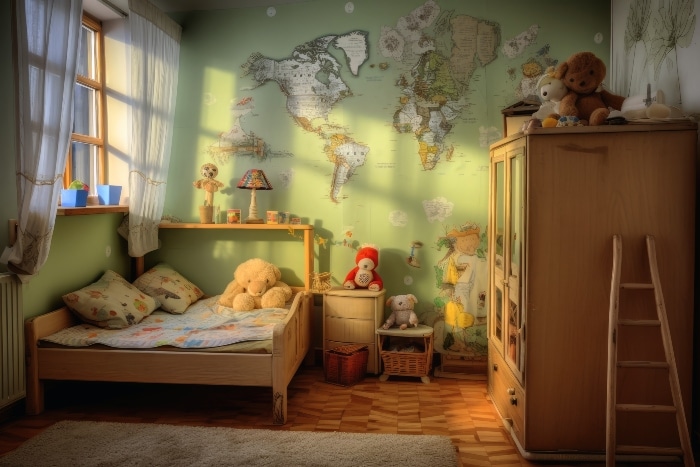
Nurseries often look safe because they are designed for babies, but they still need a careful check. Cribs should meet current safety standards, with a firm mattress and fitted sheet only. Skip blankets, pillows, bumpers, and stuffed animals in the crib for sleep.
Keep the crib away from windows, cords, monitors with dangling wires, and wall decor that could fall. Once your child starts standing, lower the mattress. When climbing out becomes a possibility, it may be time to transition from the crib, depending on your child’s size and skill.
In your own bedroom or an older sibling’s room, the same rules apply. Anchor dressers and bookshelves, move choking hazards out of reach, and keep cords managed. Small items like coins, jewelry, hair ties, batteries, and pen caps show up in bedrooms all the time, usually right when a baby finds them first.
Stairs, Doors, and Windows Need a Solid Plan
A room-by-room guide to baby proofing home is helpful, but the spaces between rooms matter too. Stairs should have hardware-mounted gates at the top for the best security. Pressure-mounted gates can work at the bottom in some homes, but they are not ideal for the top of stairs, where a strong push could be dangerous.
Doors can pinch fingers, so finger pinch guards or door stoppers are worth considering. If you have a door that leads to a garage, laundry room, or backyard pool area, keep it secured. These transition spaces often contain tools, detergents, pet food, and other overlooked hazards.
Windows should have guards or stops if there is any fall risk, especially on upper floors. Screens are not designed to keep a child from falling. If furniture sits near a window, move it. A toddler will absolutely see that as an invitation to climb.
Don’t Forget the Hazards You Can’t Always See
Some of the biggest risks are not obvious at first glance. Button batteries are one of them. They are found in remotes, flameless candles, key fobs, thermometers, and toys, and they are extremely dangerous if swallowed. Store them securely and check battery compartments on products around the house.
Cords are another common issue. Monitor cords, phone chargers, lamp cords, and curtain ties can create strangulation hazards. Keep them short, bundled, and out of reach. The same goes for pet supplies. Dog food can be a choking hazard, cat litter is unsanitary, and water bowls can be more dangerous than they look for a newly mobile baby.
Then there is air quality and fire safety. Make sure smoke detectors and carbon monoxide detectors are installed and working. Keep a fire extinguisher in the kitchen, and store matches and lighters well out of reach. These are not the most exciting parts of baby proofing, but they matter.
Baby Proofing Changes as Your Child Grows
One tricky part of baby proofing is that it is never really one and done. What works for a 7-month-old may be useless for a determined 18-month-old who can climb onto the couch, open simple latches, and reach the counter with surprising confidence.
That is why it helps to reassess every couple of months. Watch what your child is suddenly interested in. If they are obsessed with opening cabinets, climbing chairs, or pulling on cords, adjust your setup. The best baby proofing often comes from noticing patterns in your actual child, not just following a checklist.
And yes, there are trade-offs. Some safety products are convenient but annoying for adults. Some are great for one stage and unnecessary later. You are allowed to choose practical systems that your family will really use. The perfect latch does not help if everyone leaves it open because it is too frustrating.
If you feel behind, you are not. Most parents handle baby proofing in layers, adding what they need as their child changes. That is normal, and honestly, it is usually more realistic than trying to do everything in one exhausting weekend. It’s also never to late to implement this guide to baby proofing home room by room. Don’t forget to watch for dangers outside too!
Walk through your home today with fresh eyes, get the big risks handled first, and let the smaller tweaks come next. A safer home does not have to look perfect to do its job well.