12 Best Chores for Preschoolers That Really Help
A preschooler with a tiny towel, a serious face, and a mission to wipe the table may not leave it spotless. They may actually spread a little water around first. But that little moment matters. The best chores for preschoolers are not about getting perfect help around the house. They are about helping your child feel capable, included, and trusted in the family.

If you are already juggling meals, laundry, work, daycare pickup, and the daily mystery of why every sock has disappeared, teaching chores can feel like one more thing. Keep it simple. A few age-appropriate jobs built into routines can make home life feel more cooperative while giving your preschooler a healthy dose of independence. Let’s take a look at the 12 best chores for preschoolers that really work.
Why Preschoolers Benefit From Chores
Preschoolers are wired to copy what they see. When you are loading the dishwasher, sorting laundry, or sweeping up crackers for the third time that day, your child may genuinely want to join in. Giving them a real job channels that interest into a useful habit instead of handing them a pretend task that they quickly see through.
Chores can build practical skills, too. Carrying napkins to the table uses coordination. Matching socks supports early sorting skills. Putting toys away teaches that belongings have a place. Just as importantly, chores help children understand that everyone in a family contributes in ways that match their abilities.
The goal is not to turn your 3- or 4-year-old into a miniature housekeeper. Preschoolers still need plenty of play, help, and patience. Think of chores as small acts of participation, not a productivity test for your child or for you.
12 Best Chores for Preschoolers to Try
The easiest chores are safe, concrete, and short enough that your child can finish before their attention wanders. Start with one or two jobs that naturally fit your day.
1. Put Toys Back in Their Bins
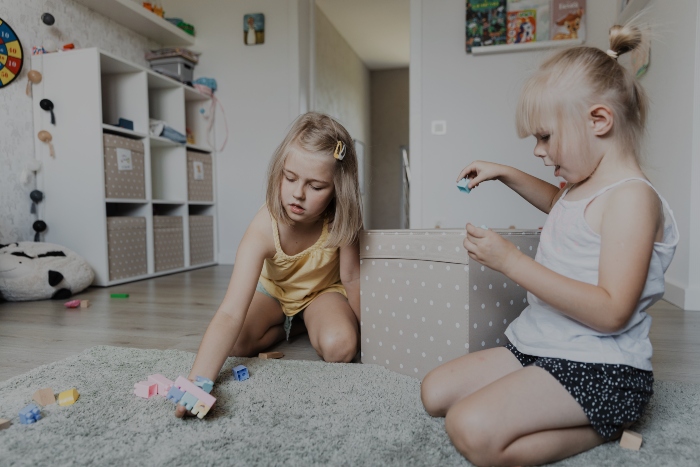
This is often the best first chore because it is already part of the day. Use open bins, picture labels, or a simple shelf setup so your preschooler knows where things go. Instead of saying, “Clean your room,” try, “Let’s put all the blocks in this bin.” One clear direction works much better than a big, overwhelming request.
2. Carry Clothes to the Laundry Basket
Your child can bring dirty pajamas, socks, and play clothes to the hamper (aff link). A low basket in their room or bathroom makes this task much easier. They may not remember every time at first, but adding it to the bedtime routine helps it stick.
3. Sort Laundry
Preschoolers can match socks, separate washcloths from towels, or sort clothes by family member if everyone has a designated pile. Avoid making this a task that needs to be done perfectly. The point is practicing matching and helping, even if one sock lands in the wrong pile.
4. Help Set the Table
Start with unbreakable items. Your preschooler can put napkins, placemats, plastic cups, or utensils on the table. If they are still learning where everything goes, place one setting as an example and ask them to copy it. This job works especially well before dinner because it gives an eager child something useful to do during that busy stretch.
5. Clear Their Own Plate
After meals, preschoolers can carry a lightweight plate or cup to the counter or sink area. If you use a dishwasher, they can also hand you safe items to load. Keep knives, hot dishes, and glassware out of the job, but let them handle what they can safely manage.
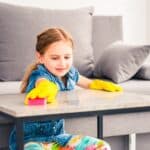
6. Wipe the Table
Give your child a damp cloth and let them wipe their spot after meals or crafts. They will probably need help reaching the center of the table, and you may need to do a quick final wipe. That is completely fine. A preschooler who learns to handle small spills is building a helpful habit for later.
7. Feed a Pet With Supervision
Scooping dry food into a bowl can be a sweet daily responsibility for a child who loves animals. You will want to supervise closely, especially around pets who get excited at mealtime. This is not a good fit for every family or every pet, but it can teach gentle care and consistency when handled safely.
8. Water Plants
A small cup or child-sized watering can is all your preschooler needs. Choose sturdy indoor plants or a few outdoor pots rather than handing over responsibility for your favorite plant collection. You may need to mark which plants get water and when, since enthusiastic preschoolers can easily turn one watering day into a tiny flood.
9. Put Books Back on a Shelf
Books are usually easier than a full toy cleanup because they have one obvious home. Ask your child to return a small stack after reading time or before bed. A front-facing book ledge or low shelf makes success more likely than a tall, tightly packed bookcase.
10. Help Put Away Groceries
Give your child a few light, safe items to put away, such as cereal boxes, paper towels, snack packs, or fruit that does not need refrigeration. It is a simple way to involve them when you get home from the store, especially if they are curious about every bag you carry inside.
11. Match Shoes by the Door
Preschoolers can pair shoes and place them in a basket, cubby, or designated spot. This task is small, but it can make rushed mornings a little less chaotic. If your family is always hunting for one missing sandal, this chore is worth its weight in gold.
12. Help With Simple Cleanup After Activities
After painting, baking, or playing outside, ask your child to return supplies, throw away scraps, or place dirty towels in the laundry. Connecting cleanup to the activity teaches an important message: fun and cleanup belong together.
How to Make Chores Feel Doable, Not Like a Battle
The biggest mistake parents make is giving a preschooler a task that is too broad. “Go clean up” can mean nothing to a child who sees a floor full of toys. Break the chore into one small action, such as putting stuffed animals in the basket or bringing cups to the counter.
It also helps to work alongside them at first. You might say, “I’ll put away the cars, and you put away the blocks.” This is not cheating. Preschoolers learn by doing chores with you before they can manage them independently.
Use routines whenever possible. A child is more likely to put pajamas in the hamper when it happens every night than when you ask at random. A short cleanup song, a two-minute timer, or the same after-dinner job can provide enough structure without making your home feel overly rigid.
Praise effort specifically. Instead of a quick “Good job,” try, “You carried your cup to the counter without spilling,” or, “You remembered where the books belong.” Specific encouragement shows your child what they did well and makes them more likely to repeat it.
What If Your Preschooler Refuses?
Some days, your child will be thrilled to help. Other days, they will suddenly be deeply offended by the existence of a laundry basket. That is normal. Avoid turning every chore into a power struggle.
Offer a simple choice when you can: “Do you want to put away books or blocks?” If they are tired, hungry, or melting down after preschool, it may not be the right moment to insist on cooperation. You can model the task yourself and try again at the next routine point.
You do not need stickers, prizes, or allowances for every small household job. For many preschoolers, being included and receiving warm recognition is enough. Rewards may help with a specific goal, but they can also shift the focus from contributing to negotiating. It depends on your child and what motivates them.
Keep Safety and Expectations Age-Appropriate
Preschoolers should not handle harsh cleaners, sharp tools, heavy bags, hot appliances, or breakable dishes. Choose child-sized tools when possible, and stay nearby for tasks involving water, pets, counters, or anything that could fall.
Expect slower work and imperfect results. Your child may fold a washcloth into a lumpy square or sweep crumbs into an even wider circle. Let them practice anyway. You can quietly finish the job later if needed, without undoing their pride in front of them.
A preschooler who learns, “I can help here,” is learning more than how to put away toys. They are learning that they belong in the rhythm of family life – messes, meals, laundry piles, and all. Use our guide to help your child start learning the best chores for preschoolers.