
The Importance of Mealtime Autonomy for Young Kids
What is the importance of mealtime autonomy for young kids? Mealtime with young children can often feel like an uphill battle, especially for parents trying to balance nutrition, schedules, and picky eating. However, fostering mealtime autonomy is a critical step in nurturing your child’s independence, confidence, and overall well-being.
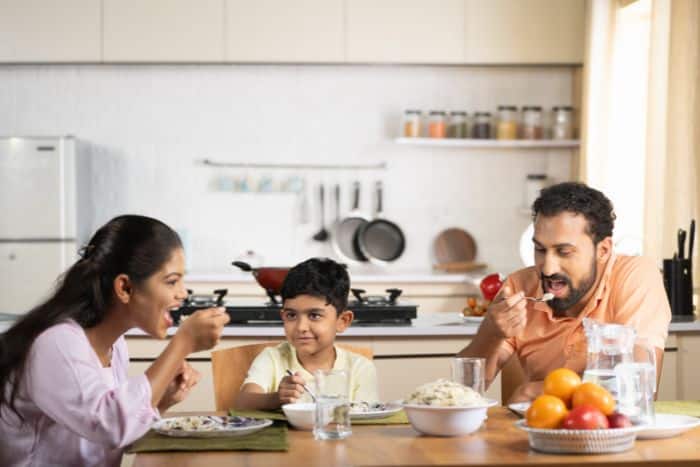
Here, we’re exploring the importance of mealtime autonomy for young kids and how it benefits their growth. We also provide practical tips to help parents implement it effectively—even when facing common challenges like those presented by children with autism.
The Role of Choice in Fostering Independence
Allowing children to make their own choices during mealtimes lays a strong foundation for independence. When young kids are given opportunities to choose their meals or portions, whether it’s choosing between broccoli or carrots, they start to feel a sense of ownership over their decisions. This, in turn, reduces resistance to mealtimes and leads to healthier eating habits.
Some research suggests that children who are involved in food selection are more likely to consume fruits and vegetables without protests. By letting them decide, parents create a positive association with food, which boosts their confidence and willingness to try new options.
Strategies To Navigate Mealtime Challenges
Parents often face difficulties, such as mealtime tantrums, sensory aversions, or rigid preferences, that make creating autonomy seem arduous. For example, some children experience sensory sensitivities that lead them to dislike specific textures or smells. These challenges are especially common in children with autism, who may also struggle with disruptions in routine or become anxious about unfamiliar foods.
An effective way to tackle such challenges is by gradually introducing autonomy. Start small by letting your child choose which plate they want to use or pick between two meal options. Visual schedules are especially helpful, as they prepare kids for mealtimes and eliminate surprises.
Encourage a Diverse Palate
One of the long-term benefits of mealtime autonomy is fostering an open-minded and adventurous attitude toward food. When kids have the freedom to make choices, they’re more motivated to explore different cuisines and flavors. This helps them discover their preferences and potentially reduces their fear of unfamiliar foods.

For children who demonstrate resistance to trying new dishes, patience prevails. It might take several exposures for kids to accept new foods willingly. The key is to consistently offer a variety of options without pressure. Celebrate their small wins—such as tasting a vegetable even if they don’t finish it—and encourage positive experiences that shape how they think about food.
It’s important to remain empathetic even in the face of struggle. Forcing young kids to take bites or eat more than they’re willing can have adverse effects later. Additionally, if offering choices becomes too difficult on you as the guardian, scale back the variety and keep it simple.
Parents have an incredible opportunity to guide their young kids toward mealtime autonomy by creating a supportive mealtime environment. Whether it’s sharing in the joy of preparing a meal together or giving them the freedom to select what goes on their plate, you’re setting them up for success—one meal at a time. It is also a great time to share the importance of mealtime autonomy for young kids so that they pass this on to their own family in the future.

Did you realize the importance of mealtime autonomy for young kids? Do you agree that it is important?
Related Posts:
- Weighted Blanket Safety for Kids and Adults

- Tips for Getting More Sleep as a Parent of Young Kids
- The Importance of Teaching Kids About Scissor Safety
- What Is the Right Kids Deodorant Age to Start?
- How to Keep Kids Busy on Thanksgiving: DFW Parents' Playbook
- Helping Kids Adjust After a Big Family Move





My son always had sensory issues. There are some foods that just make him gag. Same with me. Like seafood. I wish I could eat it, but the texture freaks me out.
I have a teenager and I still need tips to get him to eat vegetables. I will have to try some of these.
I grew up in the 80s, and while my mother was careful about allergies and things we seriously could not eat, she basically said this is lunch/dinner, eat it or leave it. I now have a 23-year-old son I pretty much did the same. We had a very diverse kitchen and paid a lot of attention to nutrition, but he grew up eating everything from Asian curries to German meat and potatoes.
I really appreciated how thoughtfully you framed mealtime autonomy as something that supports both confidence and connection in young kids, rather than just another parenting buzz phrase. The way you explained the benefits of giving children choice and participation at the table makes the whole process feel empowering instead of stressful. This post is such a valuable reminder that little shifts in how we approach meals can have big impacts on a child’s relationship with food and self-trust.
We have always tried to encourage a diverse palette with all our children from a young age. Some kids are fussier than others but most will normally diversify more as they get older in my experience especially when exposed to a wide range of foods since childhood.
My two boys are both picky in their own way. I am always open to what they like, but as they became older, they are more open to other foods too. Great article on this topic.
I’ve never heard of the term “meal autonomy,” but I do like the idea. I would hate to raise a picky eater, but at the same time, there needs to be limits.
When my daughter was younger, she was such a picky eater. I wish I had involved her in the meal/food selection as a toddler and then as a school-aged kid, had her helping me in the kitchen. Involvement is key.
This is an interesting post and I too have never really heard of meal autonomy before but I know when I was a kid and had a working mom….. she came home and made a delicious home made meal and you ate it LOL. I do appreciate these tips for navigating those pocky eaters out here…..