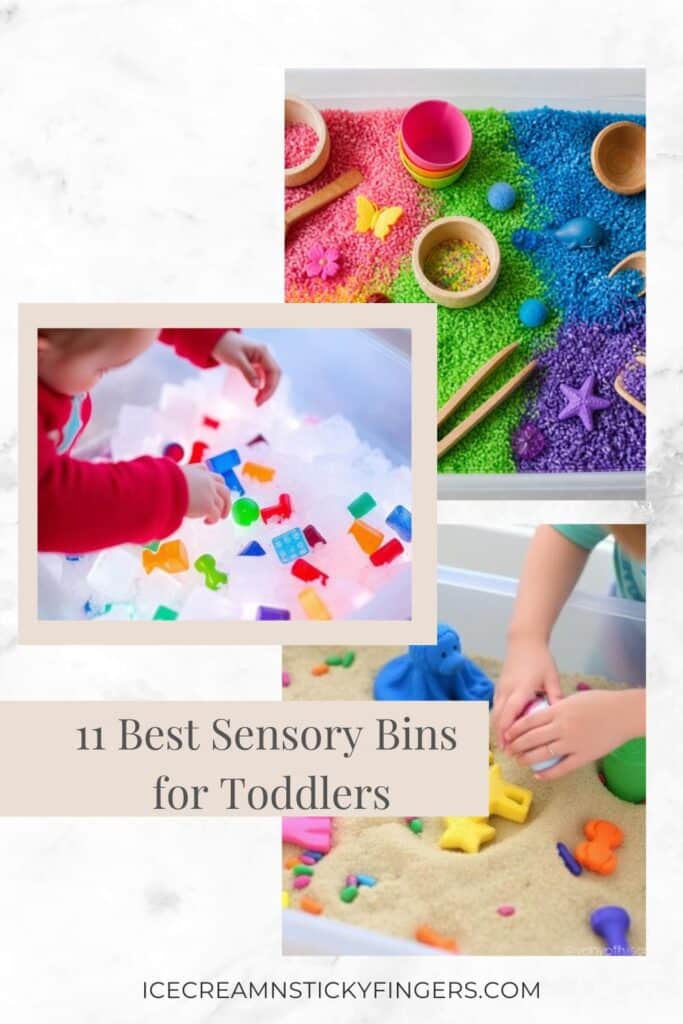
11 Best Sensory Bins for Toddlers
Some days, you need an activity that buys you ten quiet minutes, keeps little hands busy, and does not require glitter in your grout for the next six months. That is exactly why the best sensory bins for toddlers earn a permanent spot in so many homes. They are simple, flexible, and surprisingly helpful for building fine motor skills, early language, and independent play.
If you have never set one up before, a sensory bin is just a shallow container filled with materials your toddler can scoop, pour, dig through, and explore. It does not have to be fancy. In fact, the bins that work best are usually the ones you can pull together quickly with items you already have at home. Let’s take a look at some of the best sensory bins for toddlers!
What Makes the Best Sensory Bins for Toddlers?
For toddlers, the best sensory bins are safe, easy to supervise, and not so complicated that setup feels like another chore. A beautiful themed bin might look fun online, but if it takes 45 minutes to prep and your child dumps it in 90 seconds, that is not always a win for real family life.
A good toddler sensory bin usually has three things: a base material, a few tools, and enough room for hands-on play. The base can be dry rice, water, oats, pom-poms, or taste-safe ingredients for younger toddlers who still put everything in their mouths. Add a scoop, measuring cup, spoon, or small toy, and that is often enough.
It also helps to match the bin to your child, not just their age. Some toddlers want to pour and transfer. Some want to bury toy animals and rescue them. Others are still in the stage where everything goes straight to the mouth. What works for one 3-year-old might be a hard no for another.
11 best sensory bins for toddlers to try at home
1. Water Sensory Bin
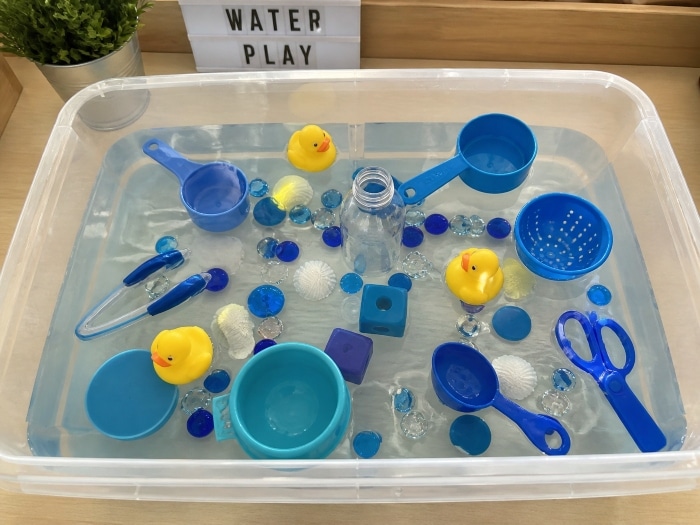
If you want the highest payoff with the lowest prep, start here. Fill a bin with a small amount of water and add cups, spoons, funnels, or plastic animals. Toddlers love pouring, splashing, and moving water from one container to another.
The trade-off is obvious: it is wet. This one works best outside, in the kitchen, or with towels underneath. But for pure engagement, water is hard to beat.
2. Oat Sensory Bin
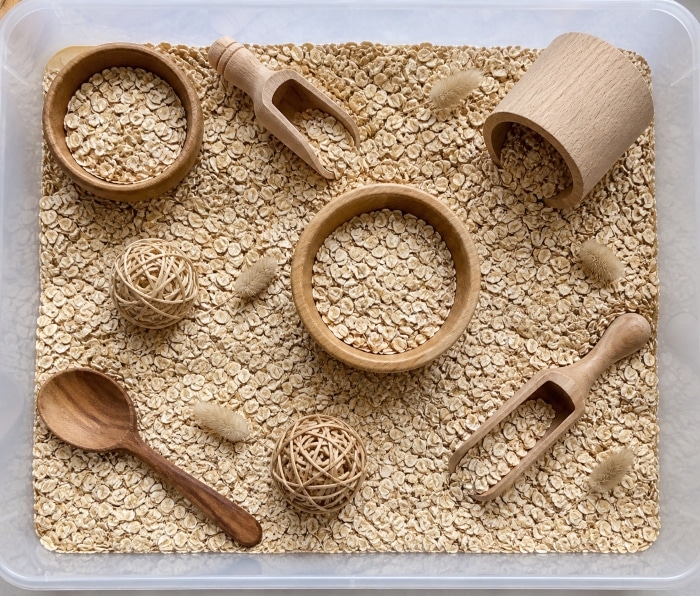
Dry oats are a great choice for younger toddlers because they are softer and more taste-safe than some other fillers. Add scoops, toy trucks, or little containers and let your child dig around.
This is a nice middle ground if you want a dry bin without using tiny fillers that make you nervous. It is still messy, but usually in an easier-to-clean way than sand or rice.
3. Rice Sensory Bin
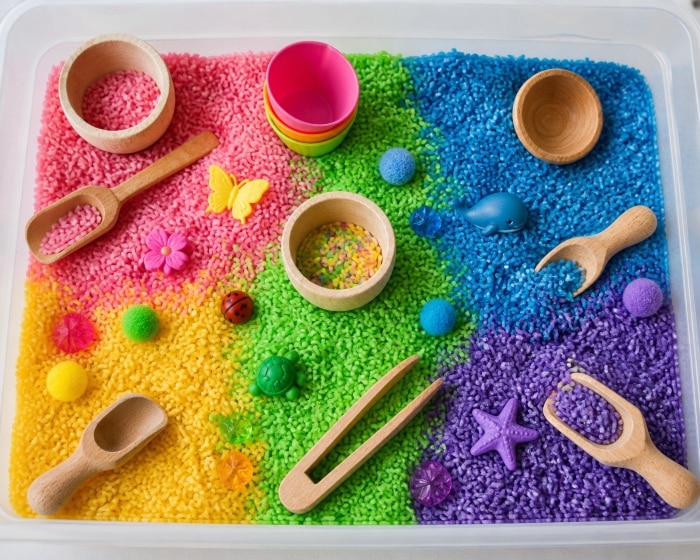
Rice bins are popular for a reason. Rice is easy to scoop, pour, and hide toys in, which gives toddlers a lot to do with one simple material. You can leave it plain or color it if you enjoy craft prep, but plain works just fine.
If your child throws instead of plays, this may not be your best first option. Rice gets everywhere. Some parents love it. Some try it once and never again. Both reactions are fair.
4. Pom-pom Sensory Bin
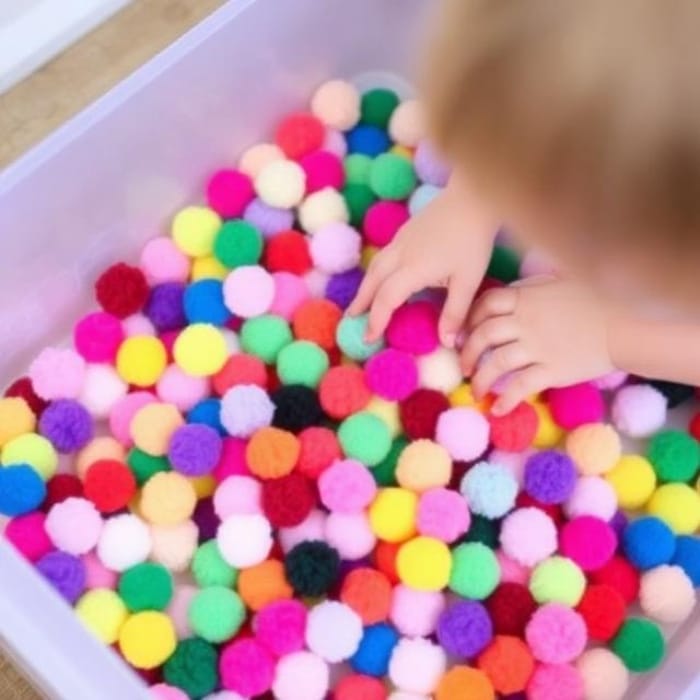
Soft pom-poms (aff link) make a great sensory bin filler for older toddlers who are past the mouth-everything stage. They are colorful, lightweight, and fun to sort, scoop, and move with tongs or spoons.
This bin is especially good if your toddler enjoys color matching or simple sorting. Just skip it for younger toddlers who still chew non-food items.
5. Bubble Foam Sensory Bin
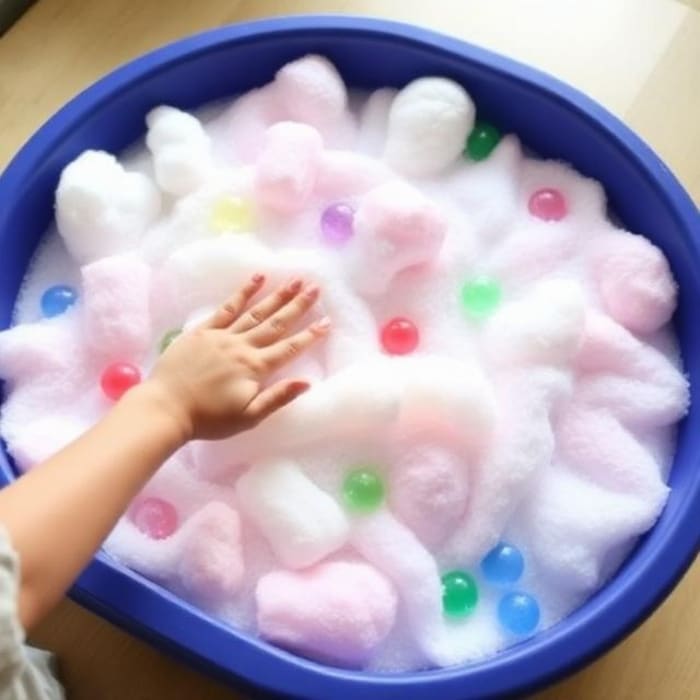
A little water, tear-free soap, and a hand mixer can turn into fluffy foam play in minutes. Add toy animals, plastic cups, or spoons and let your toddler squish and scoop.
This one feels extra fun without costing much. It can irritate sensitive skin in some kids, though, so it helps to keep an eye on how your child responds and rinse hands afterward.
6. Ice Sensory Bin
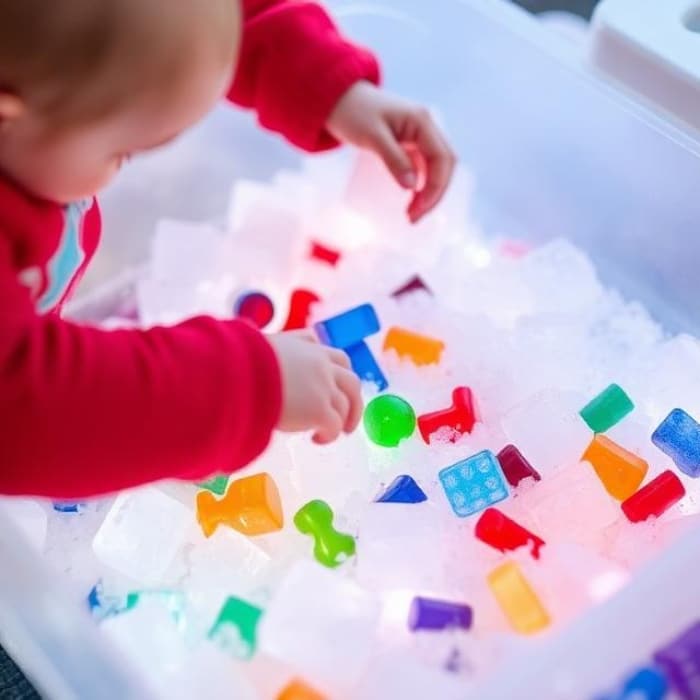
An ice sensory bin is a lifesaver during hot weather or when your toddler seems bored with the usual toys. Add ice cubes, large spoons, and a little warm water. You can freeze toy animals inside larger ice chunks if you want to stretch the activity.
It is cold, simple, and surprisingly calming. Some toddlers love the temperature change. Others touch it once and walk away. This one definitely depends on the child.
7. Taste-safe Pudding Sensory Bin
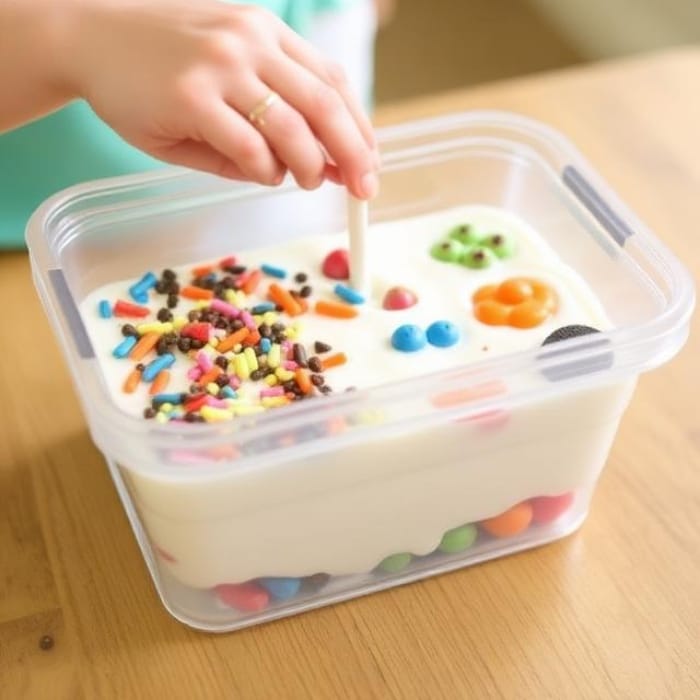
For toddlers who still explore with their mouths, pudding can be a safer sensory option. Spread a small amount in a bin or on a highchair tray and let them smear, squish, and scoop.
Yes, it is messy. Very messy. But it is also low-stress if your biggest concern is accidental tasting. Yogurt or applesauce can work the same way if pudding is not your first pick.
8. Cooked Pasta Sensory Bin
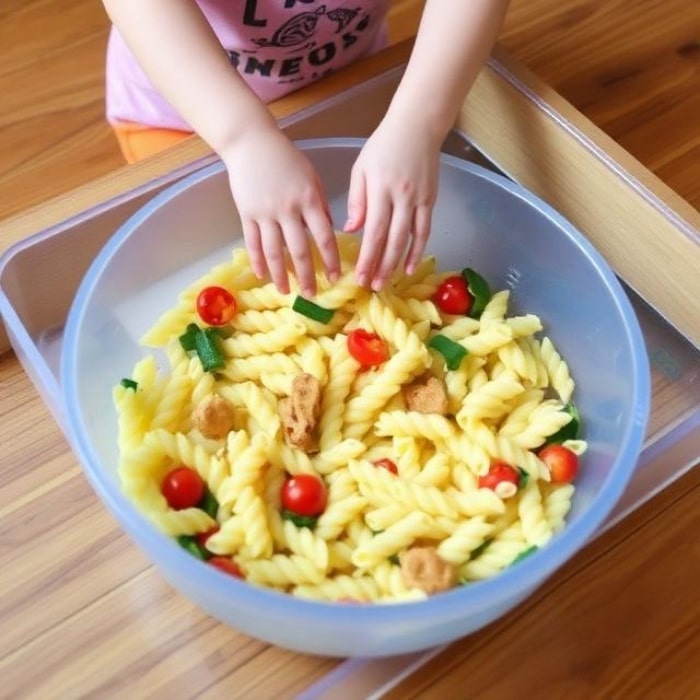
Cooked pasta has a totally different sensory feel than dry fillers. It is slippery, soft, and easy for little hands to grab. Add a spoon, silicone muffin cups, or toy kitchen tools and your toddler can stay busy for a while.
This is a solid option for younger toddlers, especially if you want something taste-safe. The downside is that it does not store well for repeat play, so this tends to be more of a one-and-done activity.
9. Kinetic Sand Sensory Bin
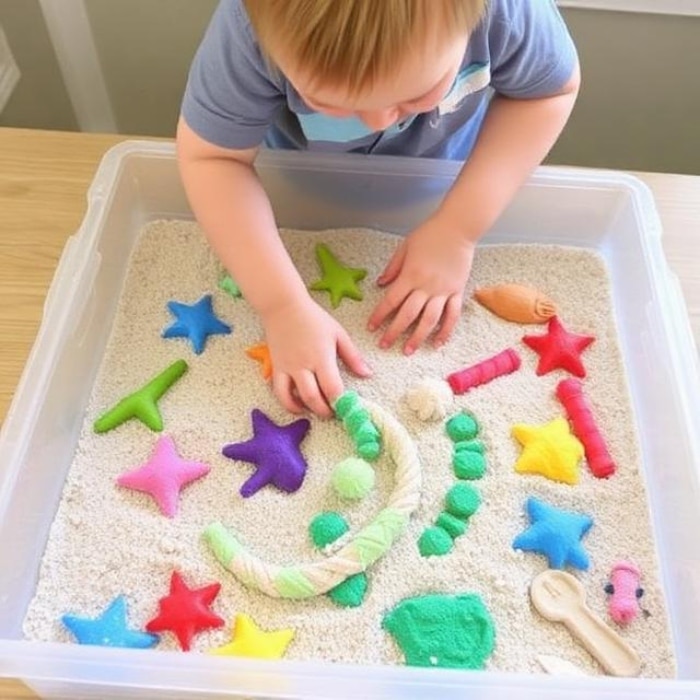
For older toddlers who can follow simple rules like keep it in the bin, kinetic sand can be a great choice. It molds easily, holds shape well, and feels satisfying to squeeze and crumble.
It is less chaotic than regular sand, but it is still not exactly mess-free. If your child likes sensory play with a little more structure, this can be a good fit.
10. Nature Sensory Bin
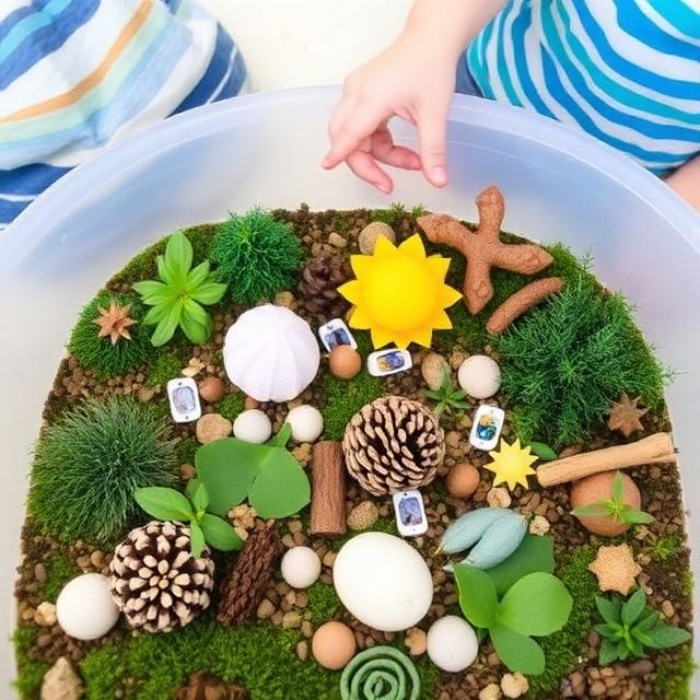
Take a walk, collect leaves, sticks, large pebbles, pinecones, or flower petals, and bring the outdoors into a simple bin. This works well for toddlers who are curious about textures and objects they find outside anyway.
A nature bin feels less like a toy and more like open-ended exploration. Just check everything for choking hazards, sharp edges, or anything that could break apart too easily.
11. Bean Sensory Bin
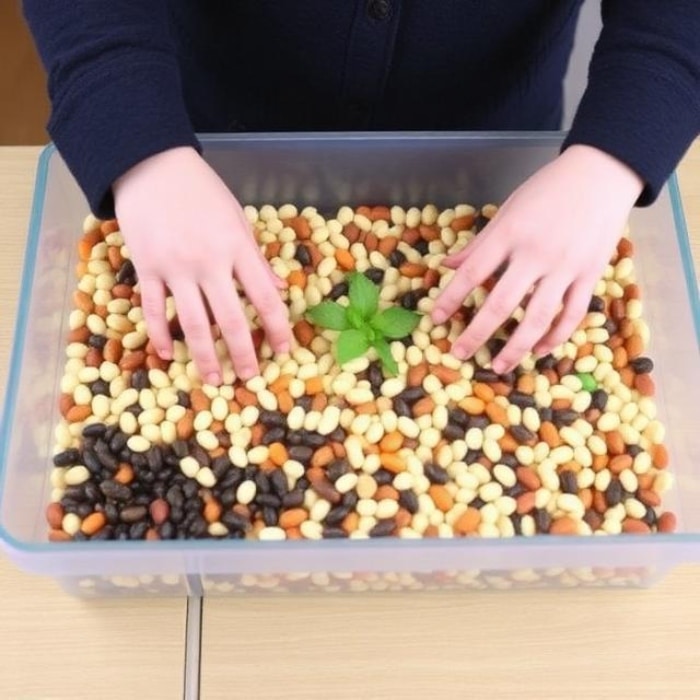
For older toddlers with close supervision, dried beans can make a very satisfying sensory bin. They create a nice sound when poured and offer a different texture than rice or oats.
This is not the right choice for every child. If your toddler still mouths small objects, skip this one for now. Safety always matters more than squeezing extra mileage out of a Pinterest idea.
How to Choose the Right Sensory Bin for Your Toddler
The best sensory bins for toddlers are the ones you will actually use. That usually means choosing an option based on your child’s stage, your cleanup tolerance, and how much supervision you can give in that moment.
If your toddler still puts things in their mouth, start with taste-safe bins like water, oats, cooked pasta, pudding, or yogurt. If your child loves dumping and pouring, rice, water, and pom-poms tend to hold attention well. If you need a calmer activity, foam, ice, and soft textures can be especially soothing.
Your own bandwidth matters too. There is no parenting prize for making an elaborate farm-themed sensory setup when you are already stretched thin. A shoebox-sized bin with water and measuring cups counts.
Tips For Less Mess and More Actual Play
A few small changes can make sensory bins feel manageable instead of overwhelming. Use a blanket, towel, or shower curtain under the bin to catch spills. Keep the bin on the floor or at a child-sized table so it is harder to tip from a height. Smaller amounts of filler also help. You do not need to fill the whole container.
It is also smart to set a simple rule before starting. You might say, “The rice stays in the bin,” or “Water play stays at the kitchen floor mat.” Toddlers will still test that boundary, of course, but clear expectations help.
If your child dumps every single bin immediately, that does not mean sensory play is a bad fit. It may just mean they are in a dumping phase. Try a water bin with less water, a heavier filler, or a smaller container. Sometimes the setup needs adjusting more than the child does.
Sensory Bin Safety Every Parent Should Keep in Mind
Sensory bins are meant to be supervised play, especially for toddlers under 3. Small fillers like beans, pom-poms, and rice can be choking hazards. Even taste-safe bins need supervision because large scoops of soft food can still be risky for some children.
It is also worth paying attention to allergies, skin sensitivity, and your child’s habits. If they rub everything in their eyes, foamy soap play may not be the best choice. If they are in a throwing stage, tiny dry fillers may create more stress than fun. There is nothing wrong with waiting a few months and trying again.
Sensory play should support your family, not create another battle.
When you find the right fit, these simple setups can turn an ordinary afternoon into focused, hands-on play your toddler actually wants to stick with. And if the best one for your house is just a plastic bin, some water, and a few measuring cups, that still absolutely counts. There are countless opportunities when it comes to creating sensory bins, and we came up with these 11 best sensory bins for toddlers to get you started.