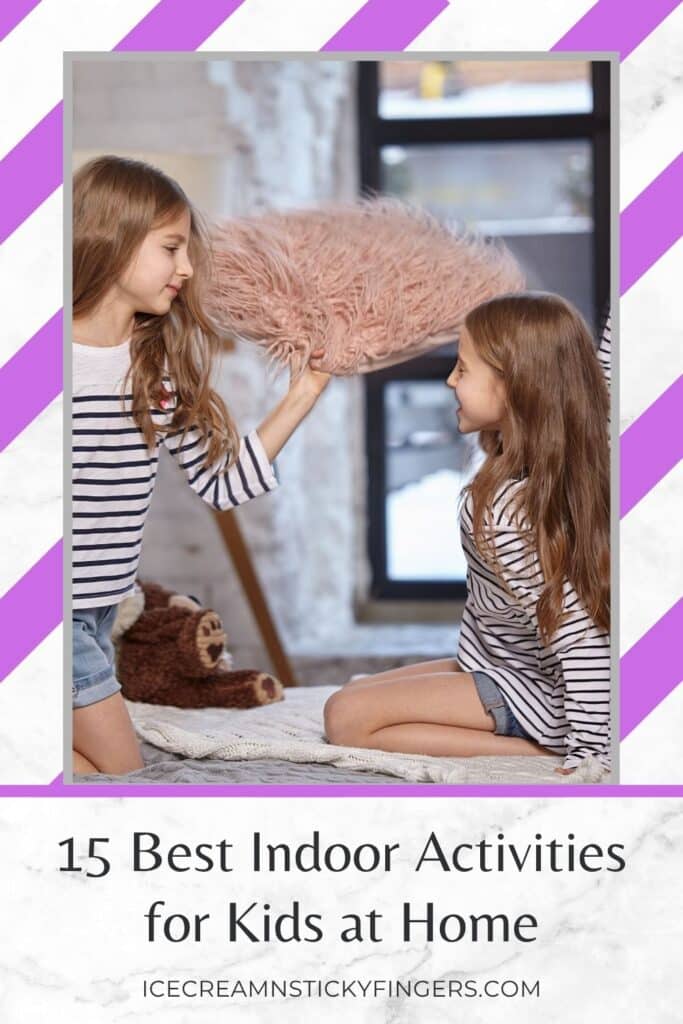
15 Best Indoor Activities for Kids at Home
Rainy Saturday. Everyone is still in pajamas. Someone has already said, “I’m bored,” and it’s not even 9 a.m. That is usually when parents start searching for the best indoor activities for kids that do not require a big budget, a perfect house, or the energy level of a cruise director.
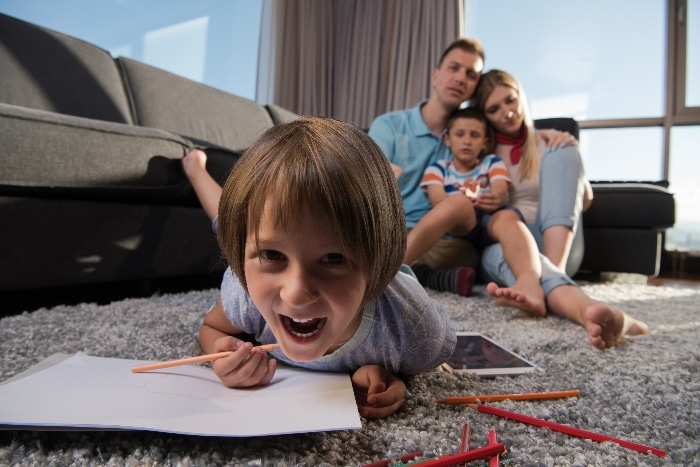
The good news is that kids do not need a complicated setup to have a good day inside. What they usually need is a little structure, a chance to move, and something that feels new enough to hold their attention for more than five minutes. The best ideas are the ones that work with what you already have, fit your child’s age, and can bend around real family life.
What Makes the Best Indoor Activities for Kids Actually Work
Some activities look adorable online but fall apart fast in a real house with real children. The ones that tend to work best do three things well. They match your child’s energy level, they use simple supplies, and they leave room for you to adjust when attention starts to fade.
If your child is bouncing off the couch, a quiet coloring sheet may not save the morning. If they are tired and overstimulated, an elaborate scavenger hunt might make things worse. It helps to think in categories instead of searching for one magic idea. Usually, you need a few movement activities, a few quiet options, and one or two projects that buy you a longer stretch of focused time.
Indoor Movement Activities That Burn Energy Without Wrecking the House
When kids are stuck inside, movement matters. It helps with mood, sleep, focus, and behavior. The trick is giving them a safe way to be active without turning your living room into a disaster zone.
Build a Simple Obstacle Course
Use couch cushions, masking tape, laundry baskets, and chairs to create a path around the room. Kids can crawl under tables, hop over taped lines, balance along a strip of tape, or toss a stuffed animal into a basket before racing to the finish.
This works especially well because you can make it easier for toddlers and more challenging for older kids. If siblings are fighting, timing each round or letting one child be the course designer can help cut down on power struggles.
Try a Movement Dice Game
Write actions like jump, spin, crab walk, march, and tiptoe on slips of paper, then pair them with numbers on a die. Roll and do the matching movement. It feels like a game, but really it is a quick way to break up a long indoor day.
This is also a good option when you need something low-prep. No glitter, no printables, and no major cleanup.
Have a Dance Break That Has a Clear End
Dance parties are great, but they can get chaotic if they drag on too long. Try three songs and call it done. That gives kids a burst of movement without sending the whole house into a louder, wilder mood.
For younger kids, freeze dance adds enough structure to keep them interested. For older kids, let them take turns choosing the song or teaching a silly move.
Creative Indoor Activities That Keep Little Hands Busy
Creative play gives kids something to focus on and often helps them settle. It does not have to mean a giant craft project or a trip to the store.
Set up a Loose Parts Art Station
Pull together paper, crayons, stickers, scraps of wrapping paper, old magazines, pipe cleaners, or washi tape if you have it. Then let kids build, draw, cut, and tape freely instead of asking them to copy a finished example.
This matters more than it sounds. Some children love step-by-step crafts, but many do better when there is no wrong way to do it. You are more likely to get longer attention spans when the activity feels open-ended.
Make a Cardboard Box Project
If you have a delivery box sitting in the garage, you already have activity gold. A box can become a car, a rocket, a pet house, a puppet theater, or a grocery store checkout stand.
This kind of play stretches further than a single craft because kids often keep returning to it. The setup may take 15 minutes, but the pretend play can last all afternoon.
Try Kid-friendly Baking
Baking counts as an activity, a life skill, and sometimes lunch prep if you choose wisely. Muffins, banana bread, or homemade pizza are usually easier than anything too delicate.
The trade-off is obvious: baking creates dishes. But for many families, the combination of measuring, stirring, waiting, and eating is worth the mess. If your child struggles with patience, choose a recipe with quick results.
Best Indoor Activities for Kids Who Need Quiet Time
Not every indoor moment needs to be exciting. Sometimes what saves the day is a calm activity that helps everyone reset.
Create a Reading Nook With a Small Twist
A blanket over two chairs can turn ordinary reading time into something kids actually want to do. Add a flashlight, stuffed animals, or a small stack of books and suddenly it feels special.
If your child is not a strong independent reader yet, audiobooks or parent read-aloud time still count. The goal is not academic perfection. The goal is building a calm pocket in the day.
Use Puzzles and Simple Brain Games
Puzzles, matching games, and age-appropriate card games are great for slowing things down. They work especially well in that tricky after-lunch stretch when energy is strange and everyone seems a little off.
This is one area where it helps to know your child. Some kids find puzzles calming. Others get frustrated quickly. If that is your child, cooperative games or easier matching activities may go over better.
Try a Sensory Bin Without Overcomplicating It
Dry rice, dried beans, pom-poms, measuring cups, and small toys can keep younger kids busy for a surprisingly long time. You do not need a themed sensory setup worthy of social media.
A quick heads-up: sensory bins are wonderful for some children and a total mess trap for others. If your child is likely to dump everything on the floor in two seconds, bring the bin outside to the patio, put a sheet underneath it, or skip it for now.

Learning-based Activities That Do Not Feel Like School
Many parents want indoor ideas that keep kids engaged without making the day feel like one long worksheet. That is usually the sweet spot.
Turn a Scavenger Hunt Into a Thinking Game
Ask kids to find something red, something soft, something that starts with the letter B, or something longer than their hand. This works for toddlers through elementary school because you can make the clues as simple or challenging as needed.
You can also theme it around the season, a book you just read, or things found in one room only if you are trying to contain the chaos.
Do Simple Science With Household Items
Baking soda and vinegar, sink-or-float tests, and ice melting experiments still work because they are hands-on and immediate. Kids get to predict what will happen, test it, and talk about the result without feeling like they are doing formal lessons.
The key here is keeping expectations low. You do not need a full science curriculum for a rainy afternoon. One small experiment is enough.
Let Kids Help With Real-life Jobs
This one is less flashy, but it often works better than parents expect. Matching socks, sorting pantry snacks, wiping the table, watering plants, or making place cards for dinner can feel meaningful to kids.
Children usually like work that feels real. It builds confidence, gives them a sense of contribution, and helps the day move forward for everyone.
How to Rotate Indoor Activities Before Kids Get Bored
One reason good ideas stop working is overuse. If every rainy day starts with the same art bin and ends with the same board game, kids lose interest fast. You do not need dozens of fresh activities, but you do need some rotation.
Try thinking in blocks. Start with movement, move into a creative activity, then shift to quiet time. After that, let kids help with a practical task or free play. That rhythm tends to work better than trying to stretch one activity way past its lifespan.
It also helps to put a few materials away and bring them back later. Toys and supplies feel newer when they are not always available. Busy parents do not need a fancy system here. Even a shelf swap every couple of weeks can make a difference.
When the Best Activity is Lowering the Bar
Some days, the best indoor activities for kids are not the cutest or the most educational. Sometimes the winning move is pulling out pillows for a living room fort, putting on music, serving a snack on a muffin tin, and calling it good.
Kids remember how home felt more than whether every hour was optimized. They do not need constant entertainment, and you do not need to perform childhood perfectly. A simple day indoors can still be a good one when there is room for movement, connection, and a little breathing space for everyone.
If today feels long, start with one easy idea instead of planning the whole day. That small reset is often enough to change the mood in your house.