
A Real-Life Guide to Family Command Center
If your kitchen counter has turned into a pile of school papers, appointment cards, permission slips, and random sticky notes, you are not failing. You are living with kids. A good guide to family command center planning starts there – not with a picture-perfect wall, but with the real stuff that keeps slipping through the cracks in busy family life.
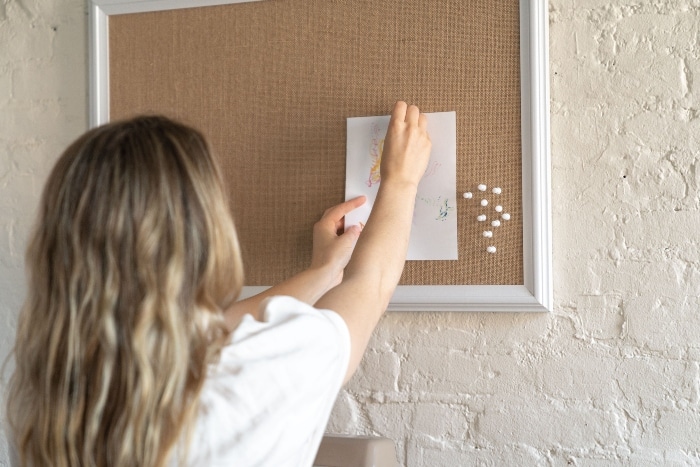
Photo Credit Pexels
A family command center is simply one spot in your home where the most important everyday information lives. Think calendars, school reminders, meal ideas, chore expectations, incoming papers, and the things everyone asks you about five times a day. The goal is not to create one more thing to maintain. The goal is to stop carrying the whole family schedule in your head. Let’s take a look at this guide to family command center and see how it can work for your family.
What a Family Command Center Should Actually Do
The best family command centers reduce friction. They help mornings move faster, cut down on forgotten tasks, and make it easier for kids to know what is happening next. That matters because so much household stress comes from small repeated breakdowns – missed library day, lost soccer form, no idea what is for dinner, no clean folder ready for school.
This is where expectations can get a little off track. A command center does not need to be huge, expensive, or worthy of social media. In fact, the more complicated it is, the more likely it is to become another abandoned project. For most families, simple wins.
Your command center should answer a few daily questions fast. What is happening today? What needs to be signed or returned? What are we eating this week? Who is responsible for what? If it handles those jobs well, it is doing enough.
Where to Put Your Guide to Family Command Center Into Action
Location matters more than style. You need a place your family already passes through, not a tucked-away corner no one looks at. For many homes, that is the kitchen, mudroom, hallway near the garage door, or a wall by the breakfast area.
If your kids dump backpacks by the back door, build the system there. If everyone gathers in the kitchen before school, that wall may be the better choice. It depends on your traffic pattern. A beautiful setup in the wrong place will not get used.
You also do not need a whole room. A narrow wall, the side of a pantry, or a small stretch above a desk can work just fine. Parents in smaller homes or apartments can use a compact vertical setup with a calendar, paper holder, and a few hooks. The footprint matters less than whether it fits your family rhythm.
The Pieces Most Families Really Need
A practical family command center usually includes a shared calendar, a place for papers, a meal planning area, and a simple storage solution for everyday grab-and-go items. You may also want a chore tracker, school schedule, or whiteboard for reminders.
The calendar is the anchor. Some parents do best with a big monthly dry-erase calendar because it is visible at a glance. Others prefer a weekly format because family life runs one week at a time. If you already use a digital calendar on your phone, your wall calendar does not have to hold every detail. It just needs to show the main things the household needs to see.
Paper management is where many command centers either help or fail. If every sheet from school lands in one messy stack, you still have a problem. Create a few clear categories such as to sign, to file, this week, and outgoing. That is enough for most households. Too many bins and labels can make the system harder, not easier.
Meal planning deserves a spot because it removes one of the most repeated daily stressors. Even a basic list of five to seven dinner ideas can save your evening. You do not need gourmet planning. You need fewer 5:00 p.m. panic moments.
Then there is the practical stuff: hooks for keys, backpacks, and maybe a small caddy for markers, stamps, or scissors. If your family constantly loses reusable lunch boxes or headphones, this area can help with that too.

Photo Credit: Pexels
How to Build One Without Overthinking It
The easiest way to start is to pay attention for a week. Notice what piles up, what questions keep getting asked, and what you are always looking for. That tells you what your command center should include.
Once you know your pain points, keep the first version basic. Hang a calendar. Add one whiteboard or corkboard. Use a couple of folders or wall pockets for paper flow. Put up a few hooks. Live with it for two weeks before adding anything else.
This matters because families often build for an ideal version of life, not their actual one. Maybe you think you need a color-coded station for every child, but what you really need is one place for forms and one visible calendar. Start with what solves the biggest bottleneck first.
It also helps to think about age. Preschoolers may benefit from picture cues for routines. Elementary-age kids can start checking the calendar, packing folders, and following simple chore charts. Teens usually need less visual hand-holding, but they still benefit from one central place where plans and expectations are clear.
How to Keep the System From Turning into More Clutter
A family command center only works if it stays current enough to trust. That does not mean perfect maintenance. It means someone updates it regularly and old clutter does not sit there for months.
Choose one short reset time each week. Sunday afternoon works for many families, but any consistent time is fine. Add appointments, toss old flyers, update the meal plan, and move papers where they belong. Ten minutes can be enough.
You should also be honest about what your family will not maintain. If laminated routine cards and cute clothespin trackers sound nice but you know nobody will touch them, skip them. A simpler system you use beats a prettier one you ignore.
Kids can help, but only if the jobs are realistic. A younger child can hang up a backpack or check a picture-based morning list. An older child can write in practice schedules, refill pens, or move school papers to the right slot. The point is shared visibility, not giving Mom one more management task disguised as help.
Common Mistakes That Make Family Command Centers Less Useful
One common mistake is trying to include everything. If your command center becomes a household dumping ground, it stops being a command center and becomes decorated clutter. Keep only active, high-traffic information there.
Another mistake is making it too high, too crowded, or too hard to read. If children are supposed to use it, parts of it need to be at their level. If your calendar is covered in tiny notes and markers in six colors, no one will absorb it quickly.
There is also the digital versus paper question. Many families need both. Your phone may hold the official calendar with alerts, while the wall setup gives everyone a visible snapshot of the week. This is not cheating. It is usually the most realistic solution.
And if you are co-parenting, working shifts, or juggling activities for multiple kids, your version may need more detail than someone else’s. That does not mean you are doing it wrong. It means your system should match your household complexity.
A Guide to Family Command Center Ideas that Feel Doable
If you are feeling stuck, think in terms of zones instead of decor. One zone handles schedule. One handles papers. One supports meals. One handles grab-and-go items. That framework works whether you have a custom built-in wall or three simple pieces from a discount store.
You can also give your command center a seasonal check-in. School-year needs are different from summer needs. During the school year, you may need room for reading logs, spirit days, and activity forms. In summer, you may want camp info, a looser weekly rhythm, and a running list of easy outings.
That flexibility is what makes a command center truly useful for family life. It should support your home as it is right now, not force your family into a rigid system that looks good but creates more work.
At Ice Cream n Sticky Fingers, we know family organization is never really about having matching bins. It is about making everyday life feel a little less scattered and a little more manageable. If your command center helps your family get out the door with fewer tears, remember what matters this week, and stop losing the same paper three times, it is doing its job.
Start smaller than you think you need. Pick the wall everyone already sees. Give every paper and routine a clear home. Then let the system earn its place by making one hard part of the week easier. That kind of progress counts more than perfection ever will. Whether you are planning on using this guide to family command center or not, decide what is best for your family and situation.
Photo Credit: Pexels









I love this idea! It is nice to have one spot where you can grab your essentials and go.