Potty Training Boys Without the Power Struggle
If you’re in the middle of potty training boys, you already know this is rarely a neat little three-day event. It can look more like one great morning, one accident at Target, one child refusing pants, and one parent wondering if they started too soon. That does not mean you’re doing it wrong. It usually means you’re potty training a real kid with a real personality.
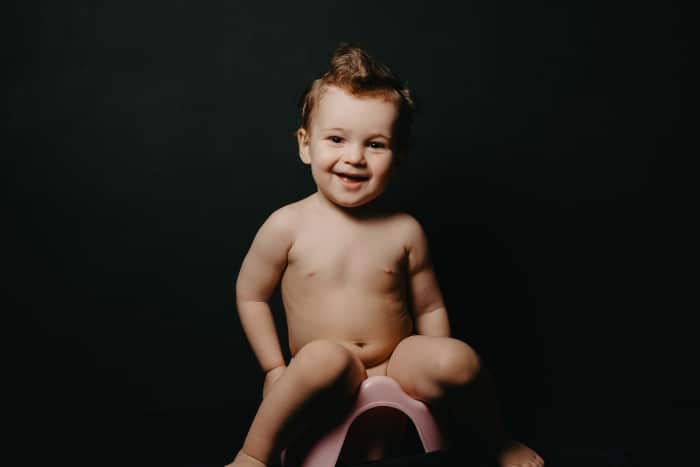
Boys often get their own potty-training reputation, but the truth is less dramatic than people make it sound. Some boys train quickly. Some take their time. Some are excited to use the potty for pee and act personally offended by the idea of pooping anywhere but a diaper. A lot depends on temperament, timing, routines, and whether your child feels pushed or supported. Let’s take a look at potty training boys without the power struggle.
When Potty Training Boys Should Start
The best starting point is readiness, not age. Many boys begin showing signs between 2 and 3, but there is a wide range of normal. If your child can stay dry for longer stretches, notice when he’s peeing or pooping, follow simple directions, and show interest in the bathroom, those are encouraging signs.
Interest matters more than pressure. A boy who wants to copy a parent, flush the toilet, wear big-kid underwear, or pick out his own potty seat is often easier to train than a child who clearly wants no part of the process. If every attempt turns into tears, battles, or complete refusal, it may be worth pausing for a few weeks and trying again later.
That pause is not quitting. It is often the fastest way forward.
A Simple Approach to Potty Training Boys
Parents usually do best with a plan that is steady, boring, and easy to repeat. Children thrive on predictability, especially with something as personal as using the bathroom.
Start by choosing either a small potty chair or a toilet seat insert. Some boys feel safer with a potty chair because their feet can stay planted. Others want the regular toilet because it feels more grown up. Either is fine. If your child is hesitant, let him help choose.
Then build potty time into the day instead of constantly asking, “Do you need to go?” That question often gets an automatic no. Try having him sit after waking up, before leaving the house, before bath, and before bedtime. Meals are also helpful because the body naturally wants to go after eating.
For many families, underwear during the day helps the lesson click faster than switching back and forth. Diapers are absorbent, and that comfort can slow down body awareness. Still, if you need pull-ups for childcare, naps, or a long car ride, that does not ruin the process. Real life counts.
Sitting First, Aiming Later
One of the biggest questions in potty training boys is whether they should learn sitting or standing. Start with sitting.
Sitting is simpler because your child can relax enough to poop and pee in the same place. It cuts down on distractions, messes, and the excitement of treating the bathroom like target practice. Once sitting is consistent, standing is much easier to teach.
If your son is eager to stand because he sees Dad or an older sibling do it, you can still guide him back to sitting for a while. You are not delaying progress. You are building the foundation first.
When it is time to practice standing, make it playful without making it performative. Some parents use a small target in the toilet bowl like a square of toilet paper, Cheerios, or a few bubbles. That can help with aim, but don’t rush it. Clean-up fatigue is real.
What to do About Poop Resistance
A lot of boys handle pee first and hold onto poop for dear life. This is incredibly common when it comes to potty training boys, and it can stretch the process out longer than expected.
Pooping on the potty feels different. It asks for more body awareness, more relaxation, and sometimes more courage. If your child hides to poop, asks for a diaper, or keeps having poop accidents right after seeming successful with pee, he may be anxious rather than stubborn.
Try to keep your response calm. Pressure makes holding worse, and holding can lead to constipation, which turns potty training boys into a much bigger problem. If your child seems uncomfortable, has hard stools, or starts avoiding pooping altogether, talk with your pediatrician sooner rather than later.
It can help to put your child on the potty at the time he usually poops, keep his feet supported with a stool, and read a short book so he stays relaxed. Praise the effort of sitting, not just the result. For some kids, that small shift takes away enough pressure to help them finally go.
Accidents are Information, Not Failure
It is easy to feel like accidents mean the plan is not working. Most of the time, they just show where your child needs more support.
Maybe he waits too long because he is busy playing. Maybe he does well at home but forgets at preschool. Maybe he can tell after he starts peeing but not before. Those details matter because they tell you what skill is still developing.
Keep your response matter-of-fact. Help him change, remind him what his body felt like, and move on. Shame tends to make kids secretive, not successful. The goal is to teach body awareness and routine, not create stress around the bathroom.
This is also where consistency helps. If one day accidents are ignored, the next day they trigger a lecture, and the day after that everyone acts panicked, your child gets mixed messages. Calm repetition works better than intensity.

Rewards, Praise, and What Actually Motivates Kids
There is no single right way to motivate a child through potty training boys. Some children love sticker charts. Some could not care less. Some are thrilled by big-kid underwear. Some just want your attention and a high five.
If you use rewards, keep them simple and short term. Too much buildup can create pressure, and some kids start performing for the prize instead of tuning into their body. Praise works best when it is specific. “You listened to your body and got to the potty” teaches more than a generic “Good job.”
It also helps to praise cooperation, not perfection. Sitting when asked, trying again after an accident, pulling pants down independently, and washing hands all count as progress.
Potty Training Boys at Daycare, Preschool, and On the Go
Home is one thing. Public bathrooms and school routines are another.
If your child is in daycare or preschool, ask what language they use and how often they bring kids to the bathroom. Matching the routine at home can make the process smoother. Let teachers know what your child is practicing, whether that is sitting every two hours, asking for help with clothing, or learning to stay dry through playtime.
Public bathrooms can be loud and intimidating, especially with automatic flushers and hand dryers. If your son is nervous, that is understandable. Covering the sensor temporarily, using a portable seat, or simply giving him a moment to adjust can help.
For errands and longer outings, go before you leave, know where bathrooms are, and bring a change of clothes without making it a whole production. Prepared parents tend to feel calmer, and kids pick up on that.
Nighttime Training is a Separate Milestone
Daytime success does not automatically mean nighttime dryness is next. Night training is heavily tied to physical development and often takes longer, especially for boys.
If your child is sleeping deeply and waking up wet, that is not laziness. It usually means his body is not ready yet. You can limit drinks right before bed, have him use the potty before sleep, and protect the mattress, but try not to frame nighttime wetness as something he should already control.
Many parents feel discouraged when daytime goes well but nights stay inconsistent. That gap is normal. Treat it as a separate phase, not a setback.
When to Slow Down or Ask For Help
Some bumps are typical. Others deserve a closer look.
If your child suddenly regresses after doing well, think about what changed. A new sibling, moving, travel, starting school, or illness can all affect bathroom habits. Kids often show stress in practical ways.
If potty training has turned into constant battles, your son seems fearful of the toilet, or constipation is becoming part of the story, it is worth stepping back and getting support. Sometimes the most helpful move is to lower the pressure, reset routines, and protect your child’s confidence.
At Ice Cream n Sticky Fingers, we know parenting advice sounds tidy on paper and a lot messier in a real bathroom with wet socks and a stubborn toddler. If you can stay calm, stay consistent, and remember that progress is rarely a straight line, your child will get there. One dry pair of underwear at a time is still progress. We have been in the trenches of potty training boys, and they will master it when they are ready.

Do you have any other tips on potty training boys without the power struggle?
Related Posts:
- A Parent’s Guide to Potty Training That Works

- How to Build Kids Confidence Without Pushing Too Hard
- Potty Training Regression Causes and What Helps
- Potty Training Outcomes and What Progress Looks Like
- Preparing for a New School Year Without the Stress
- How to Monitor and Guide Your Kids Without Overstepping