How to Ease Separation Anxiety in Kids
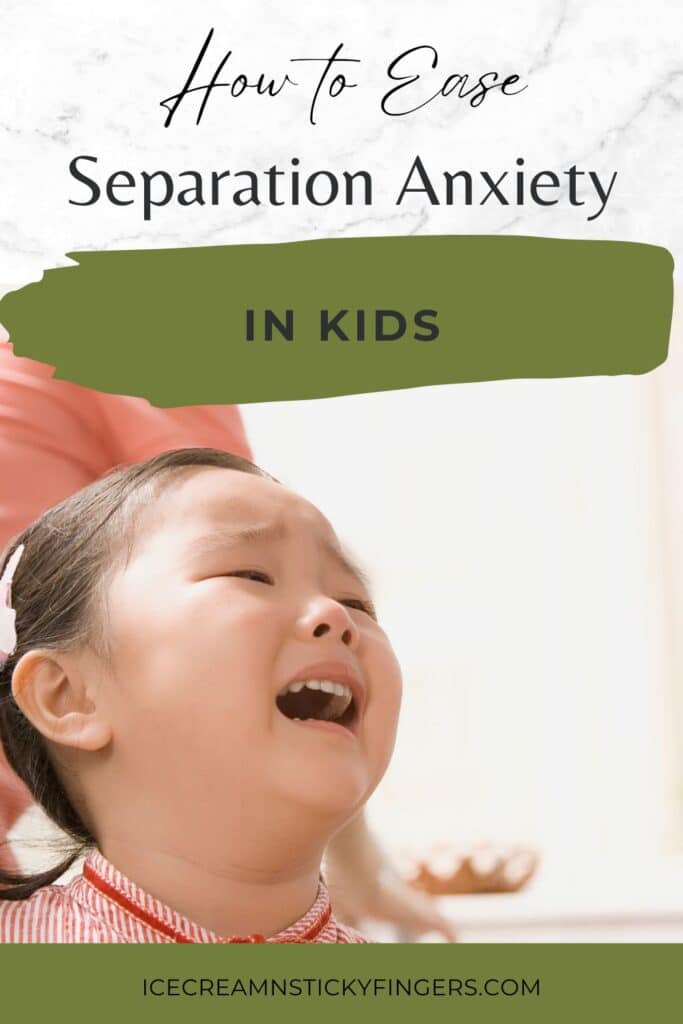
That drop-off moment can feel endless even when it only lasts 30 seconds. Your child is clinging to your leg, your heart is breaking, and you are trying to remember how to ease separation anxiety without turning every goodbye into a full-blown battle. If that sounds familiar, you are not doing anything wrong, and your child is not “too attached.” Separation anxiety is a normal part of development for many kids.

It can show up when a baby starts realizing you can leave, when a toddler begins daycare, when a preschooler changes classrooms, or even when an older child goes through a stressful season. Some kids cry hard at drop-off. Others complain of stomachaches, beg to stay home, or suddenly need more reassurance at bedtime. The details vary, but the core issue is the same – your child does not feel fully safe when you are apart.
The good news is that most separation anxiety gets better with time, consistency, and a plan that does not accidentally feed the fear. Let’s take a look at how to ease seperation anxiety in kids.
What Separation Anxiety Really Looks Like
A lot of parents picture separation anxiety as tears at daycare, but it can be broader than that. Some children follow a parent from room to room at home. Some resist going to a sitter they usually like. Others are fine all day, then panic when it is time for lights out.
Age matters, but temperament matters too. A sensitive child, a child adjusting to a new routine, or a child who has gone through illness, travel, a move, or family stress may struggle more than expected. That does not mean something is seriously wrong. It usually means their sense of safety needs a little rebuilding.
The tricky part is that loving parents naturally want to make the distress stop fast. We linger, negotiate, sneak out, or promise rewards just to get through the moment. Totally understandable. But some of those habits can make separations harder because they teach a child that goodbyes are big, scary events.
How to Ease Separation Anxiety Without Making It Bigger
If you are wondering how to ease separation anxiety, start by thinking less about eliminating every tear and more about building predictability. Kids calm down faster when they know what happens next and trust that you mean what you say.
One of the most helpful things you can do is create a simple goodbye routine and repeat it the same way every time. That might be a hug, a kiss, a cheerful phrase, and then leaving. Not five more hugs, not one more explanation, not circling back after you already said goodbye. Short and steady usually works better than long and emotional.
Your tone matters too. Children read our faces fast. If you look guilty, worried, or unsure, they may think there is something to fear. That does not mean you have to fake being thrilled. It just means aiming for calm confidence. You can be warm and firm at the same time.
It also helps to prepare ahead instead of giving lots of reassurance in the heat of the moment. Talk about where they are going, who will be there, what comes first, and when you will return. Young children especially do better with concrete markers than vague time. “I’ll be back after snack and story time” often works better than “I’ll be back later.”
Build Routines Your Child Can Count On
Kids handle separation better when the rest of life feels predictable. That does not mean every day has to run like a machine, but a few reliable anchors can lower stress.
Morning routines are a big one. If the rush to get out the door feels chaotic, separation often gets worse because your child is already dysregulated before the goodbye even starts. A little prep the night before, a consistent wake-up time, and a calm handoff can make a real difference.
Transitions at home matter too. If your child struggles when you leave the room, practice tiny separations during the day. Tell them, “I’m going to switch the laundry, and I’ll be right back.” Then come back when you said you would. These small moments teach a powerful lesson: people leave and return, and that is safe.
Comfort items can help, especially for younger kids. A small stuffed animal, family photo, bracelet, or little note in a lunchbox gives them something tangible to hold onto. It is not a cure, but it can bridge the gap between home and the outside world.
What to Say at Drop-off
Parents often ask for the perfect words, but the goal is not a magic script. It is a message that is loving, clear, and brief.
Try something like, “You are safe. Your teacher will take care of you. I’ll be back after rest time.” Then follow through. If your child is upset, you can still keep it short. “I know this is hard. I love you. I’ll see you after pickup.”
What usually backfires is too much convincing. If you keep explaining why they should be okay, they may hear that there is a lot to worry about. If you keep returning for one more hug, they may learn that crying changes the plan. That does not make them manipulative. It makes them children.
Sneaking out can also make things worse, even if it avoids a scene in the moment. When a child realizes you disappeared without warning, trust takes a hit. They may become even more watchful next time.
When Daycare, Preschool, or School is Part of the Problem
Sometimes the issue is not just the separation. It is the setting. A new classroom, an unfamiliar teacher, sensory overload, nap changes, or social stress can all make drop-off harder.
If your child is having a rough time, ask a few practical questions. Are they struggling only with one caregiver? Only on Mondays? Only after holidays or sick days? Do they settle down quickly after you leave, or stay distressed for a long time? Those details help you figure out whether this is typical separation anxiety or a sign that something in the environment needs attention.
It is also okay to partner with caregivers. Let the teacher or provider know what helps your child regulate. Maybe they need a specific job when they arrive, a favorite book, or a warm greeting from the same adult each morning. A good handoff plan can turn a shaky start into a manageable one.
If your Child Gets More Anxious at Bedtime or at Home
Separation anxiety does not always stay at the school door. Some children seem fine in public but fall apart at bedtime, during babysitting, or when a parent leaves the room.
In those cases, look at the overall stress load. Big changes, overtiredness, family tension, and too much stimulation can all make nighttime fears louder. Tightening up the bedtime routine often helps more than endless reassurance. Think connection first, then consistency. A predictable wind-down, a brief check-in, and clear expectations tend to work better than staying longer and longer each night.
If your child asks repeated “what if” questions, answer once with empathy and then return to the routine. Too much reassurance can become its own cycle, where the child feels better for a minute and then needs the same answer again.
When Patience and Consistency Matter More Than Quick Fixes
This is the part many parents do not want to hear when they are standing in a parking lot with a crying child. Progress is often uneven. You may have three smooth mornings, then one awful one. That does not mean your plan failed.
Separation anxiety usually improves through repetition. Your child has the feeling, survives the feeling, and learns over time that the feared separation ends okay. That learning takes longer when adults keep changing the routine.
So if you pick a goodbye plan, give it time. Stay warm. Stay predictable. Expect some protest without treating it like proof that your child cannot handle the separation.
When to Get Extra Support
Sometimes separation anxiety goes beyond a normal rough patch. If your child’s fear is intense, lasts for weeks without improvement, causes major sleep problems, leads to regular physical complaints, or keeps them from school and everyday activities, it may be time to talk with your pediatrician or a child therapist.
This is especially true if the anxiety seems to expand instead of shrink, or if it started after a scary event or major change. Getting support is not overreacting. It is parenting with good information.
At Ice Cream n Sticky Fingers, we know family life can feel messy in very specific ways, and this is one of them. Few things tug on a parent’s heart like walking away from a crying child. But your steadiness matters, even when it does not feel dramatic or fast.
Some seasons of parenting ask you to be the calm while your child borrows it. If today’s goodbye was hard, that does not mean tomorrow will be too. Keep showing your child, in small repeatable ways, that leaving is safe, returning is certain, and they are capable of getting through the space in between. Use our tips on how to ease seperation anxiety in kids.
Do you have any other tips on how to ease seperation anxiety in kids?
Related Posts:
- Helping Kids Adjust After a Big Family Move

- 15 Best Audiobooks for Elementary Kids to Love
- Halloween Non-Candy Treats for Kids: Fun, Kid-Approved Ideas
- How to Host a Kids Sleepover Without Chaos
- Kids Tablet Review: Educational Picks for Parents
- Halloween Costume Ideas for Kids: From Simple to Homemade