When Do Kids Need Glasses? Signs Parents Notice
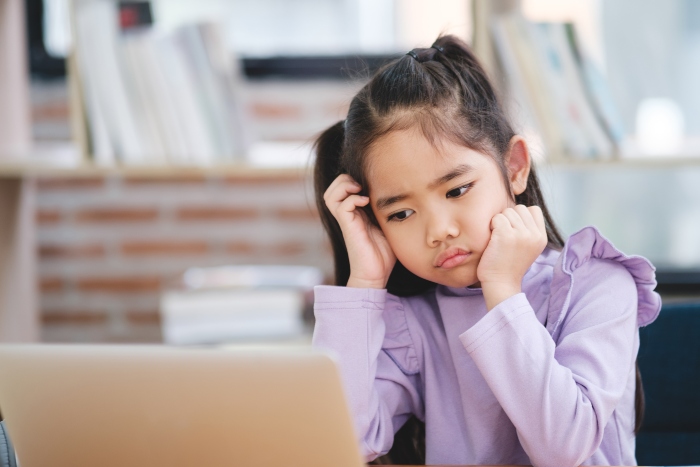
Your child may not come home from school and announce, “I can’t see the board.” More often, the clues look like headaches after homework, losing their place while reading, sitting inches from the tablet, or suddenly deciding books are boring. If you are wondering when do kids need glasses, those everyday changes are worth paying attention to, especially because children often assume the way they see is the way everyone sees.

A vision concern does not mean you have done anything wrong or missed some obvious parenting clue. Kids compensate remarkably well. They may squint, turn their head, avoid close-up work, or simply push through discomfort without having words for it. A prompt eye exam can bring answers and, for many families, a very simple path forward. Let’s take a look at when do kids need glasses.
When Do Kids Need Glasses? Common Signs to Watch
Glasses may be needed when a child has trouble seeing clearly at a distance, up close, or both. Nearsightedness makes faraway objects blurry, while farsightedness can make close work tiring or difficult. Astigmatism can blur vision at all distances. These issues are common, and they are not always obvious from the outside.
One of the biggest clues is a new behavior that shows up repeatedly. A child who sits very close to the television once may just be comfortable. A child who consistently scoots closer, squints at street signs, or holds a book a few inches from their face may be trying to make blurry vision clearer.
Pay attention if your child frequently rubs their eyes, blinks hard, complains of headaches, or says their eyes feel tired. These symptoms can have other causes, including allergies, dehydration, screen fatigue, or a busy school week. But if they happen often, particularly during reading, writing, or screen use, bring them up with your child’s pediatrician or eye doctor.
School-age children may also show vision trouble in ways that look more like a learning or behavior issue. They might lose their place on a page, skip words, avoid reading, struggle to copy from the board, or become unusually frustrated with homework. Glasses are not a cure-all for every academic challenge, but clear vision is a basic piece of the learning puzzle.
You may also notice that your child closes one eye, tilts their head, or turns their face to look at something. These habits can sometimes point to a focusing or eye-alignment issue. An eye that drifts inward or outward, even occasionally, should be checked promptly.
Vision Signs Look Different at Every Age
Babies and Toddlers
Babies do not need to identify letters on an eye chart for an eye professional to assess their vision. In infancy and toddlerhood, the focus is often on how the eyes move, track objects, and work together.
Call your child’s doctor if you notice frequent eye crossing after about 4 months of age, eyes that do not seem to move together, a white or cloudy-looking pupil, extreme sensitivity to light, or persistent tearing and redness. These signs do not automatically mean your child needs glasses, but they do deserve timely medical attention.
For toddlers, watch for getting very close to toys or books, bumping into objects more than expected, covering one eye, or losing interest in activities that require looking closely. Toddlers are wiggly and clumsy by nature, so one isolated tumble is not a vision diagnosis. The pattern matters.
Preschoolers
Preschool is often when vision differences become easier to spot. A child may struggle with simple puzzles, coloring inside large shapes, catching a ball, or recognizing pictures from across the room. Some children avoid these activities because they are not interested, of course. But if your child seems frustrated by tasks they once enjoyed, vision is one possibility to consider.
This age is also a key time to catch amblyopia, sometimes called lazy eye. Amblyopia happens when the brain begins favoring one eye because the other eye is not seeing clearly enough. It is often treatable, and treatment tends to work best when started early. That is one reason routine screenings are more than a box to check at a well visit.
Elementary-Age Kids
Once classroom learning becomes more visually demanding, kids may be better able to describe what feels off. They may say the board is fuzzy, letters move around, or their eyes hurt. Others will say nothing and just start avoiding reading.
A child who suddenly needs much more time for homework, complains after school, or gets headaches during car rides or screen time may benefit from a comprehensive eye exam. If your child has trouble seeing the soccer ball, reading signs from the backseat, or recognizing people across a room, distance vision may be the concern.

Screen Time Does Not Automatically Mean Glasses
It is understandable to connect lots of tablet time with vision worries. Screens can cause dry, tired eyes and may make a child more aware of existing blurry vision. But screens do not directly cause every need for glasses.
Nearsightedness has a strong family connection, and research also suggests that spending more time outdoors may help lower its risk or slow its progression in some children. That does not mean you need to turn your family schedule upside down. Regular outdoor play, screen breaks, and a reasonable viewing distance are healthy habits whether or not your child wears glasses.
Try the simple 20-20-20 approach for schoolwork and recreational screens: about every 20 minutes, have your child look at something around 20 feet away for 20 seconds. It will not replace an exam, but it can ease eye strain during long homework stretches.
What Happens at a Child’s Eye Exam?
A school screening can be helpful, but it is not the same as a complete eye exam. Screenings are designed to flag potential concerns. A pediatric optometrist or ophthalmologist can check how well each eye sees, whether the eyes work together, how the eyes focus, and whether there are health concerns that an eye chart alone cannot reveal.
The appointment is usually much less intimidating than parents expect. Younger children may identify pictures, match shapes, or use a light to follow an object instead of reading letters. Your child may have drops placed in their eyes so the doctor can get a more accurate look at focusing and eye health. The drops can make close-up vision blurry and cause light sensitivity for a few hours, so sunglasses and a low-key afternoon can be helpful.
If glasses are recommended, ask what they are meant to correct and when your child should wear them. Some kids need glasses full-time, while others only need them for reading, school, or distance activities. The answer depends on the prescription and the reason for treatment.
Helping Kids Adjust to Their First Glasses
The practical part can feel bigger than the prescription itself. A child may be excited to choose frames, or they may be completely opposed to putting anything on their face. Both reactions are normal.
Let your child choose between a few parent-approved frame options when possible. The right fit matters more than the trendiest color. Frames should sit comfortably, stay in place when your child looks down, and not pinch behind the ears or on the nose. For younger children and active kids, flexible frames, spring hinges, and secure straps can make daily wear easier.
Start with short, positive practice periods if your eye doctor says it is appropriate. Pair glasses with a favorite activity, such as a story, a show, or playing outside. Avoid turning them into a battle. If your child says the glasses hurt, slide down, or make things look strange after the adjustment period your doctor described, have the fit and prescription checked rather than assuming they are being difficult.
It also helps to give teachers, caregivers, and coaches a heads-up. Glasses can get left on buses, dropped on playgrounds, or tucked into a mysterious backpack pocket. A sturdy case and a simple routine for where glasses go at bedtime can save everyone a lot of morning stress.
When to Call Sooner
Schedule an urgent medical evaluation if your child has a sudden change in vision, eye pain, a significant eye injury, new double vision, a white pupil, or an eye that suddenly turns or droops. These are not wait-and-see symptoms.
For less urgent concerns, trust the pattern you are seeing. You do not need to prove your child needs glasses before booking an exam. “They are squinting a lot, and homework has become a struggle” is more than enough information to start the conversation.
Clearer vision can make reading less exhausting, playground games more fun, and the classroom feel a little less overwhelming. If your gut says something has changed, giving your child’s eyes a closer look is a caring, practical next step. Thank you for taking the time to learn about when do kids need glasses. I’ve worn glasses from a young age, and so have all of my kids. It’s important to take your child seriously and take them to get an eye exam. It’s better to find out they don’t need them than for them to go without.