How to Teach Kids Empathy in Everyday Moments
Your child grabs the last blue cup, and their sibling bursts into tears. It is tempting to jump straight to, “Give it back.” But moments like this are also where you can begin to show them how to teach kids empathy: pause, notice another person’s feelings, and choose a response that is kind.
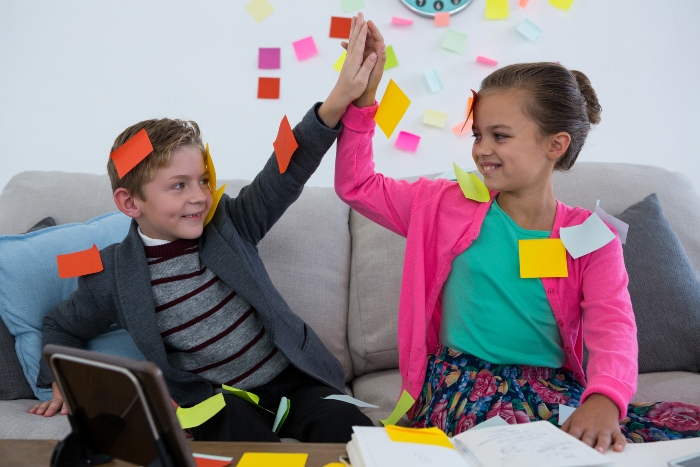
Empathy is not something children master because they were told to be nice once or twice. It grows slowly through hundreds of ordinary family moments – the squabbles, the disappointments, the scraped knees, and the times someone is left out. The good news is that you do not need a perfect script or a picture-perfect calm home to help it grow. Let’s take a look at how to teach kids empathy.
What Empathy Looks Like at Different Ages
Empathy is the ability to notice, understand, and care about how someone else may be feeling. For young children, that may look like patting a crying friend or bringing Dad a blanket when he is sick. For older kids, it can mean including someone at recess, considering how words land, or helping a sibling after an argument.
A toddler may recognize tears but still be unable to stop hitting when frustrated. A preschooler might say sorry because they have been prompted, without fully understanding the impact of what happened. Elementary-age kids can usually think more clearly about another point of view, but they still need help when anger, jealousy, or embarrassment takes over.
That is normal. Empathy is not the same as instant cooperation, and it does not mean your child will always put everyone else first. The goal is to help them consider other people while also learning to name and respect their own feelings and boundaries.
How to Teach Kids Empathy Through Daily Routines
The most effective lessons happen in real life, often when nobody is at their best. Use simple language, stay curious, and focus on what happened rather than labeling your child as selfish, mean, or rude.
Put Feelings Into Words
Children cannot respond thoughtfully to feelings they do not yet recognize. Start naming what you see in a calm, matter-of-fact way: “Your brother looks disappointed because the tower fell down,” or “You seem frustrated that it is time to leave the playground.”
Then gently widen the lens. “You wanted another turn, and Maya was still using the swing. What do you think that felt like for her when you pushed in front?” This is not a courtroom question. You are helping your child practice seeing more than one experience at a time.
If they shrug or say, “I don’t know,” that is okay. Offer a few possibilities instead of demanding the right answer. “Maybe she felt surprised, sad, or mad.” Over time, children get better at finding the words themselves.
Model the Behavior you Want Them to Learn
Kids watch how adults react when someone is inconvenient, slow, loud, or frustrating. They notice how you speak to a cashier, how you handle a disagreement with your partner, and whether you apologize after snapping during a stressful morning.
Let them hear empathy in action. You might say, “That driver cut in front of us. I’m annoyed, but maybe they are trying to get somewhere important,” or “I was short with you earlier. I was stressed, but that was not a kind way to speak. I’m sorry.”
This does not mean pretending hard feelings do not exist. It shows children that feelings can be real without becoming an excuse to hurt someone else.
Read, Watch, and Wonder Together
Stories give children a low-pressure way to practice perspective-taking. While reading a picture book or watching a family movie, pause occasionally and ask, “How do you think that character feels?” or “What could their friend do now?”
Keep the conversation natural. You do not need to turn every bedtime story into a lesson. Sometimes simply noticing, “She looks nervous about her first day of school,” is enough to build the habit of paying attention to others.
This works especially well for children who resist talking about their own big emotions. They may have plenty to say about why a character is angry or lonely, and that conversation can later help them recognize those feelings in themselves.

Practice Repair, Not Just Apologies
A quick “sorry” can be a useful start, but it is not always a meaningful repair. When your child hurts someone, help them connect the action to its impact and think about what might make things better.
For example: “You knocked down your sister’s blocks, and she worked hard on that. What can you do to help repair this?” Depending on the situation, repair may mean helping rebuild, getting ice for a bumped knee, giving space, replacing something broken, or writing a note.
Do not force hugs or forgiveness. The child who was hurt gets to decide whether they want closeness right then. Teaching boundaries is part of teaching empathy too: caring about someone includes respecting what they need.
Give Kids Small Chances to Help
Children feel empathy more deeply when they get to act on it. Invite them into simple acts of care at home: bringing water to a sick family member, choosing a card for a neighbor, helping a younger sibling find a missing shoe, or setting aside outgrown toys to donate.
Keep it age-appropriate and avoid turning kindness into another chore chart. A child who is reminded that their help mattered is more likely to see themselves as someone who can make life easier for others. Try saying, “Grandma smiled when you called her. You helped her feel remembered.” These are great examples on how to teach kids empathy.
Handle Sibling Conflict Without Taking Over
Sibling fights can make even the most patient parent want to declare a winner and move on. Sometimes you do need to step in quickly, especially if someone is being hurt. But when everyone is safe, conflict can be a useful place to practice empathy.
Start by separating the facts from the feelings: “You both wanted the same game. You are mad because you think he changed the rules. He is mad because he thinks you quit.” Children are more likely to listen once they feel heard.
Then ask each child to say what they wanted and what they think the other person wanted. You may need to coach them through it. The point is not to prove that both kids behaved perfectly. It is to show that two people can have different needs at the same time.
When possible, let them help find the next step. Maybe they take turns, choose a different game, or take a break until they are calmer. Some problems will not have a perfectly fair answer, and that is part of family life. Empathy helps children handle disappointment without assuming the other person is the enemy.
Avoid a Few Common Empathy Traps
Parents mean well when they say, “How would you feel if someone did that to you?” But when a child is flooded with anger, this question can feel like a lecture. Regulate first, teach later. A hungry, exhausted, or overwhelmed child is not ready for a thoughtful conversation.
It also helps to avoid praising only the outcome. Saying, “You are such a good boy for sharing,” can make kindness feel like a performance. Try noticing the process instead: “You saw that she wanted a turn, and you made room for her.” This tells your child exactly what they did that was caring.
Finally, do not expect empathy to look the same in every child. One child may offer a hug, while another quietly brings a stuffed animal or asks practical questions. Some kids need more time to warm up, especially in busy social settings. Look for genuine growth, not one specific style of caring.
Create a Family Language of Care
A few repeated phrases can make empathy part of the rhythm of your home. Use language like, “Let’s check on them,” “What do you need right now?” and “How can we make this better?” These short questions work at the kitchen table, in the car after school, and after a tough playdate.
You can also make room for everyone to share a small high and low from the day. When children hear adults name feelings without shame, they learn that emotions are not problems to hide. They are information that can help us care for ourselves and one another.
Your child will still have rough moments. They will say something unkind, refuse to share, or miss the cue that a friend needs comfort. Stay steady. Each time you help them pause, notice, and repair, you are building a skill they will carry far beyond childhood. It’s always good to start teaching kids empathy at an early age. Let’s start implementing how to teach kids empathy today!