Robot Vacuum Versus Mop: What Busy Families Need
The robot vacuum versus mop question usually comes up after the same familiar moment: you have just cleaned the kitchen, someone drops crackers, the dog tracks in dirt, and a mystery sticky spot appears near the table. For busy families, the goal is not a picture-perfect floor. It is a home that feels reasonably clean without adding another chore to an already full day.

A robot vacuum and a robot mop can both help, but they solve different problems. The better choice depends on your flooring, your kids’ ages, the kind of messes your family makes, and how much prep work you are willing to do before pressing start. Let’s take a look at the robot vacuum versus mop.
Robot Vacuum Versus Mop: The Main Difference
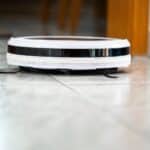
A robot vacuum picks up dry debris. Think cereal, pet hair, dust, crumbs, dirt by the back door, and the glitter that somehow survives every craft project. It uses brushes and suction to collect that debris in a bin, and many models return to a dock to recharge. Some higher-end options can even empty their own bins.
A robot mop is made for damp cleaning on hard floors. It typically sprays or releases water from a tank, then moves a reusable pad across tile, sealed wood, vinyl, laminate, or similar surfaces. It is better at dealing with dried juice splatters, sticky footprints, and the film that builds up in a busy kitchen.
Some combination machines vacuum and mop (aff link) in one unit. That sounds like the obvious answer, but it is worth looking closely at how the model handles both jobs. A combo machine may be convenient, yet it can involve more maintenance than a vacuum-only model and may not mop as thoroughly as a dedicated mopping robot.
When a Robot Vacuum Makes the Most Sense
For many families, a robot vacuum is the more useful first purchase. Dry debris is constant when kids, pets, shoes, and snacks share the same space. A quick daily run can keep floors from reaching the point where you feel like you need to haul out the full-size vacuum every other day.
It is especially helpful if your home has carpet, rugs, or a mix of carpet and hard flooring. A mop cannot replace vacuuming rugs, while a vacuum can usually move from hard floors to low-pile rugs without much fuss.
A robot vacuum is also the more forgiving option if your house has younger children. You will still need to pick up socks, toy cars, doll accessories, charging cords, and anything else that could tangle in the brushes. But you do not have to refill a water tank or wash a mopping pad after every run.
A Vacuum is a Strong Fit If Your Family Deals With:
- Daily crumbs under the table or around the couch
- Pet fur and tracked-in dirt
- Carpets, area rugs, or carpeted bedrooms
- A baby or toddler who seems to leave a snack trail everywhere
- Allergies that make frequent dust removal feel worthwhile
Keep expectations realistic. A robot vacuum is great for maintenance cleaning, not for tackling the mountain of dog hair that has been gathering behind furniture for six months. You may still want a regular vacuum for stairs, upholstery, corners, and occasional deep cleans.

When a Robot Mop Is Worth It
A robot mop earns its place in homes with lots of hard flooring and frequent sticky messes. If your kitchen floor looks clean from a distance but feels suspicious under bare feet, a mop can make a noticeable difference.
This is often the case for families with babies, toddlers, and preschoolers. Between high-chair spills, fruit puree, spilled milk, washable paint, and muddy shoes, hard floors get grimy fast. Running a robot mop a few times a week can help you keep up before the mess becomes a Saturday-morning project.
The catch is that robot mops work best on a floor that has already been cleared of crumbs and clutter. Mopping over loose cereal, pet kibble, or hair can create a messier situation, not a cleaner one. Most homes need vacuuming first, whether that is done by a separate robot, a combo machine, or you.
A robot mop also requires a little hands-on care. You will need to fill the water tank, wash or replace pads, and empty dirty-water tanks if your model has them. That is not a deal-breaker, but it matters if you are choosing a tool specifically because you are tired of managing more household tasks.
What About a Vacuum-Mop Combo?
A combo robot can be a practical compromise, particularly in a smaller home with mostly hard floors. It can pick up crumbs and follow with a light mop, which is useful for day-to-day kitchen and dining-room cleanup.
The biggest benefit is convenience. You have one machine, one dock, and one schedule to manage. If your floors mostly need a regular refresh rather than a deep scrub, that may be all you need.
Still, combo models come with trade-offs. Basic models may drag a damp pad across rugs unless you remove it yourself. Better models can recognize carpets and lift the mop pad, but those features usually cost more. You may also find that their small water tanks and dust bins need attention more often in a busy household.
For families with a lot of carpet, a separate robot vacuum and occasional traditional mopping may be the simpler, less expensive route. For homes with open-concept hard floors, a well-reviewed combo can save meaningful time.
Questions to Ask Before You Buy
Before comparing brands and features, take a quick look at your actual routine. Not the routine you wish you had, but the one happening between school drop-off, work, homework, dinner, and bedtime.
First, consider your floor types. If more than half of your main living area is carpet or rugs, start with a robot vacuum. If your main floor is tile, luxury vinyl, or sealed hardwood, a mop or combo machine may provide more value.
Next, think about the mess you clean most often. Dry messes point toward a vacuum. Sticky or greasy messes point toward a mop. Families with pets and small children usually have both, which is where a combo robot or two separate devices can make sense.
Also consider your home’s layout. Robot cleaners do best when they can move freely around a room. If the floor is usually covered with toys, laundry piles, cords, and tiny shoes, choose a model with solid object detection, or plan to do a quick five-minute pickup before running it. No robot is a substitute for clearing out the LEGO pieces, and no parent wants to discover that a robot has pushed a tiny plastic shoe under the sofa all week.
Finally, be honest about maintenance. A self-emptying vacuum can be a lifesaver for pet owners, but it still needs occasional filter and brush cleaning. A mopping robot needs clean pads and fresh water. The best machine is the one whose upkeep fits your capacity right now.
Features That Matter More Than Fancy Extras
Smart mapping is genuinely useful in family homes. It lets you send the robot to the kitchen after breakfast instead of cleaning the entire house. Room-by-room schedules are helpful too, especially if you want it to run while everyone is out of the way.
Object detection matters when floors are unpredictable. Better navigation can help a robot avoid cords, pet bowls, toys, and other common obstacles. It will not be perfect, so a quick floor check is still wise, but it can reduce frustrating interruptions.
For vacuum models, look at brush design, suction settings, battery life, and whether the dust bin is easy to empty. If you have long hair or pets, choose a model designed to reduce hair tangles. For mopping models, pay attention to pad washing, water capacity, carpet avoidance, and whether the machine can handle the size of your main floor without needing a refill.
Skip features that sound impressive but do not match your needs. A camera that streams video around your house may not matter if what you really need is a dependable machine that gets under the dining table every afternoon.
A Realistic Family Cleaning Routine
A robot works best when it becomes part of the household rhythm. You might run a robot vacuum in the kitchen and living room after breakfast or while the family is getting ready for bed. Then, run a robot mop two or three times a week after the floors have been vacuumed.
If you have a crawling baby, a shedding pet, or allergy concerns, you may want to vacuum the main areas daily. If your kids are older and snacks stay mostly in the kitchen, every other day may be plenty. There is no gold star for running it constantly. The point is to prevent the buildup that makes cleaning feel overwhelming.
A robot cleaner will not eliminate every floor chore, and that is okay. It can handle the everyday mess so your occasional deeper clean feels manageable instead of impossible. Pick the option that removes the kind of stress you feel most often, then let “clean enough” be the win it is. Whether you use a robot vacuum versus mop, choose which tool does the best job and makes life easier.