
Road Trip Packing for Families Made Easier
The backseat is loaded, everyone has used the bathroom, and you are finally ready to leave. Then someone asks where their favorite stuffed animal is. Family road trip packing is rarely just about fitting bags in the car. It is about preventing the small problems that can turn a two-hour drive into a very long day.
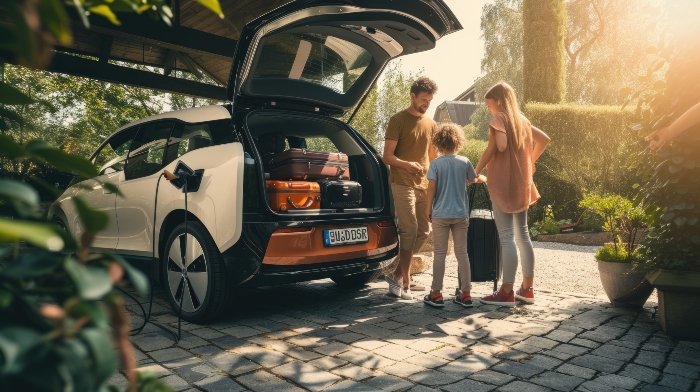
The good news is that you do not need to pack like you are moving house to feel prepared. A little organization gives kids comfort, gives parents options, and leaves enough room for the things you will actually use. The goal is not perfection. The goal is getting where you are going with fewer hungry, bored, or overtired people in the car.
Start Road Trip Packing With a Car Plan
Before filling a suitcase, think about what needs to be available while the car is moving. The most useful items should never be buried under luggage in the trunk. Keep one small bag, tote, or plastic bin within reach of the front seat for your parent essentials: wallet, insurance card, reservation details, phone charger, wipes, hand sanitizer, tissues, a small first-aid kit (aff link), and any medications your family may need quickly.
It also helps to create a separate backseat kit for the kids. This is where snacks, water bottles, entertainment, and comfort items belong. If your children are old enough, let them know what is in the kit and where it goes after they use something. That tiny bit of responsibility can save you from searching the floorboard for crayons at a gas station.
Think about your route, too. A quick weekend drive may only require a few easy snacks and a change of clothes. A full-day drive through Texas heat, or a multi-day trip with unpredictable weather, calls for more water, extra layers, and a stronger plan for meals and rest stops.
Pack Clothes for Real Life, Not Ideal Vacation Photos
Family trips have a funny way of producing spills, surprise rain, muddy shoes, and a child who suddenly refuses to wear the outfit you packed. Build in a little flexibility.
Each child should have a comfortable travel outfit and an easily accessible spare set of clothes. Keep that spare set in the car, not packed at the bottom of a suitcase. Even older kids can benefit from a clean shirt after a car-sick moment, a ketchup-covered lunch, or an unexpected bathroom accident.
For the main suitcase, pack outfits that can mix and match rather than a separate, perfectly planned look for every activity. Lightweight layers are especially helpful because car temperatures seem to vary wildly depending on who is cold, who is hot, and who keeps touching the air-conditioning controls.
Do not forget pajamas, underwear, socks, and shoes that match your actual plans. Flip-flops might be perfect for a hotel pool but not for a nature trail. If your destination includes a special event, pack that outfit separately so it does not get wrinkled or lost among everyday clothes.
Keep One Overnight Bag Handy
If you are breaking up a long drive with a hotel stop, an overnight bag can make a huge difference. Put pajamas, toothbrushes, medications, one change of clothes, and a favorite sleep item in one bag. You can walk into the hotel with what you need instead of unloading half the car after a tiring day on the road.
Snacks Should Be Easy to Eat and Easy to Clean
Hungry kids are not known for their patience, especially when traffic has added 40 minutes to the drive. Pack more food than you think you will need, with a mix of familiar favorites and filling options.
Aim for snacks that do not require much help from you. Think crackers, pretzels, dry cereal, cheese sticks, applesauce pouches, grapes cut safely for younger children, fruit, granola bars, and sandwiches stored in a cooler. A small cooler with ice packs is worth the space if you are traveling for more than a few hours.
Try not to make every snack a crumb explosion. Powdery snacks, chocolate in warm weather, and anything with a strong smell can make the car feel like a disaster zone fast. Of course, sometimes a drive-thru treat is part of the fun. Just save it for a planned stop when everyone can stretch, use the restroom, and wipe sticky fingers before climbing back in.
Bring refillable water bottles for everyone, plus extra water in the car. You may not need it, but a delayed arrival, a missed exit, or a very warm day can change that quickly.
Plan Entertainment in Small Doses
Screens can be helpful on a long drive, and there is no parenting medal for making kids stare out the window for eight hours. Still, having a few non-screen choices makes the day go more smoothly when batteries die, service disappears, or one child is finished with their show.
Pack a small activity bag with options that fit your children’s ages. Coloring books, sticker books, magnetic games, reusable activity pads, audiobooks, card games, and simple travel journals all work well. For younger kids, rotate activities instead of handing them everything at once. A “new” sticker book pulled out after lunch can buy you more peace than you might expect.
Audiobooks (aff link) and family-friendly playlists are useful for the whole car. They give everyone a shared activity without requiring anyone to look down at a screen. If your family enjoys games, try looking for license plates, spotting certain colors of cars, or taking turns choosing a song.

Pack Chargers Before You Pack Tablets
A tablet without headphones or a dead device at the hardest part of the drive can create more frustration than entertainment. Charge devices the night before, download shows or games in advance, and bring car chargers and a portable battery pack. Kid-sized headphones are also worth checking before you leave. One broken pair can affect the peace of the entire vehicle.
Comfort and Safety Belong in Every Family Car
Road trip packing should include the ordinary things that become very important when you need them. Keep a basic first-aid kit in the car with bandages, antiseptic wipes, pain reliever appropriate for your family, motion-sickness supplies, and any prescription medications. If a child has allergies or other medical needs, double-check that those items are easy to reach and not expired.
A few comfort items can also prevent a rough ride from becoming a meltdown. Pack a light blanket, small pillow, favorite stuffed animal, and a plastic bag for wet or dirty clothes. If your child gets carsick, bring extra bags, wipes, paper towels, and a spare shirt within arm’s reach.
For babies and toddlers, pauses are part of the plan, not a sign that the trip is off schedule. They need room to move, eat, and reset. Older children need breaks, too, even when they insist they are fine. Regular stops are often faster than trying to push through until someone is miserable.
Do a Five-Minute Check Before You Leave
The night before your trip, place packed bags by the door and load what you can. In the morning, do one final check for the essentials: keys, wallets, phones, chargers, medications, documents, water, and comfort items. Then check the car itself. Make sure you have enough gas, your tires look good, and your emergency supplies are present.
Most importantly, leave a little empty space in the car. Families collect souvenirs, jackets, snack wrappers, and random treasures along the way. A car packed to the ceiling may look prepared at the start, but it is hard to manage by day two.
A well-packed car will not prevent every spill, sibling argument, or unexpected detour. But it can give your family the breathing room to handle those moments without panic. Pack for the people you are traveling with, build in a little grace, and remember that the stories you laugh about later are often the messy ones.