Texas State Fair Kids Guide for Parents
The first meltdown usually does not happen on the rides. It happens 20 minutes after someone says they are not hungry, then spots cotton candy, a giant turkey leg, and a line that feels a mile long.
That is why a solid Texas State Fair kids guide matters. The State Fair of Texas can be such a fun family day, but with little kids, especially, it can also turn into a lot of walking, waiting, overstimulation, and expensive snacks if you do not go in with a loose plan.
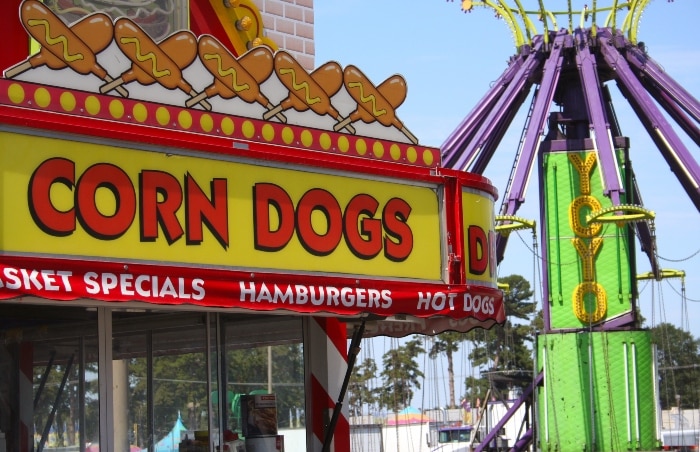
If you are heading to Fair Park with babies, toddlers, preschoolers, or elementary-age kids, the goal is not to do everything. The goal is to have a day your family can actually enjoy. That usually means pacing yourselves, picking a few must-dos, and making smart choices before everyone gets tired and cranky. Let’s take a look at our Texas State Fair Kids Guide!
How to Use This Texas State Fair Kids Guide
Think of the fair like a very large family outing, not a race. If you try to squeeze in every food stand, animal exhibit, photo op, and ride, your kids will hit a wall before lunch. Most families do better when they choose one or two big priorities and let the rest be a bonus.
For younger kids, that might mean animals, a few gentle rides, and one special treat. For older kids, it might mean heading straight for rides and games, then slowing down for shows or snack breaks. Either way, your best strategy is to build the day around your child’s stamina, not around everything the fair offers.
Best Time to Go With Kids
Timing Can Make or Break the Day.
If you have babies, toddlers, or kids who still nap, morning is usually your friend. Crowds are typically easier early in the day, lines are more manageable, and children tend to be in a better mood before they get overtired. You also have a better shot at parking, smoother stroller movement, and less waiting for food.
If your kids are older and really want lights, rides, and the full fair atmosphere, later afternoon into early evening can be fun. The trade-off is bigger crowds, more noise, and more temptation to stay too long. That can work for some families, but if your child gets overwhelmed easily, daytime is often the calmer choice.
Weekdays are generally easier than weekends. If you have the flexibility, it is worth considering. Less crowd pressure can mean a much more pleasant experience, especially if you are managing multiple kids.
What to Bring and What to Leave In the Car
You do not need to pack for a week-long vacation, but you do want to be realistic. The fair involves a lot of walking, Texas weather can be unpredictable, and kids go from fine to done very quickly.
A stroller is worth bringing for many families, even if your child insists they are too big for one. A full day at the fair is different from a quick trip to the park. Little legs get tired, and having a place to sit, snack, or decompress can save the day. If you have two younger kids, this is one of those outings where a double stroller can absolutely earn its keep.
You will also want water, wipes, sunscreen, a portable phone charger, and one small change of clothes if you have little ones. Snacks can help bridge the gap between meals and prevent impulse food spending every time a child sees something fried or covered in sugar.
Try not to overpack. A giant bag gets heavy fast, and you will already be managing kids, tickets, drinks, and random treasures from game booths.
Choosing Kid-friendly Fair Activities
One of the easiest mistakes parents make is spending too much of the day wandering. At a place as big as the fair, it can wear everyone out without giving kids much payoff.
Start with activities your child can actually enjoy at their age and temperament. Animal exhibits are often a safe win for younger children because they are interactive without being too intense. They give kids room to look, point, ask questions, and slow down for a bit.
Rides can be exciting, but be honest about your child’s height, confidence level, and patience. Some kids love the energy. Others spend 30 minutes asking for a ride, then panic when it is their turn. There is no shame in skipping the big attractions if your child is not ready. The best family days are usually built on successful moments, not forced ones.
Shows and demonstrations can be surprisingly helpful, too. They give everyone a chance to sit down, cool off, and enjoy something without standing in another line. If your kids are getting overstimulated, this can be a very good reset.
Food at the Fair With Kids
Yes, the food is part of the fun. No, every meal does not need to be a social media moment.
A smart approach is to plan for one or two novelty foods and balance the rest with simpler options your kids will actually eat. That is especially true if you have picky eaters. Spending money on a giant specialty snack sounds fun until your child takes one bite and asks for plain fries.
If your child gets hangry, do not wait until they are starving to find food. Lines feel much longer with a tired, hungry kid. A small snack break before the crash is usually easier than trying to recover afterward.
Sharing is often your best bet. Parents can try more fair foods without ending up with a table full of half-eaten items, and kids get the fun of tasting without committing to a full portion they may not want.
Rides, Games, and the Budget Conversation
The fair can get expensive fast, and kids do not always understand why the answer cannot be yes to every ride, game, and oversized stuffed animal.
Before you go in, set a rough spending plan. You do not need to announce a full financial breakdown, but it helps to decide ahead of time how many rides, games, or treats each child can expect. Kids usually handle limits better when they are told early instead of being surprised all day long.
For younger kids, it can help to frame the day around choices. You can ride this or play that game. You can choose a sweet treat or save room for something later. A little structure keeps the day from turning into nonstop negotiating.
For older kids, honesty works. The fair is fun, but it is also pricey. Most children can understand that part when you explain it clearly and calmly.

Safety Tips Every Parent Will be Glad They Handled Early
Crowded events are not the place to wing it.
Before you get deep into the fairgrounds, make sure your child knows what to do if they get separated. Younger kids should know your name, and older kids should know your phone number if possible. It also helps to point out workers, security, or official booths as safe places to go for help.
Take a quick phone photo of your child before you head in. If they wander off, you will know exactly what they are wearing that day. It is a simple step, but one many parents wish they had taken when panic hits.
If your child is sensory-sensitive, the fair may be a lot. Noise, smells, crowds, and visual stimulation can build up quickly. Headphones, a familiar comfort item, or a few planned quiet breaks can make a huge difference.
A Realistic Pace for Families With Little Kids
You do not need an all-day marathon for the trip to count.
In fact, many families with small children do better with a shorter visit. A solid three to five hours can be plenty, especially if you arrive early and leave before the hardest part of the day. There is a big difference between leaving with happy, tired kids and staying until everyone is crying in the parking lot.
Watch your child, not the clock. If they are rubbing eyes, getting unusually clingy, fighting over tiny things, or suddenly unable to decide on anything, that is often your cue. One more stop can be too many.
There is also no rule that says every sibling needs the exact same experience. If one child wants rides and another is happiest with animals and snacks, splitting up for part of the day may actually work better than forcing everyone into one plan.
Making the Day Feel Special Without Overdoing It
Kids do not always remember the biggest or most expensive part of the outing. They remember the funny snack, the animal they got close to, the ride that made them laugh, or getting to stay up a little later than usual.
Pick one memory-making moment on purpose. Maybe your child chooses one special treat, one ride they were brave enough to try, or one small souvenir. That gives the day shape without putting pressure on every minute to be amazing.
This is also one of those outings where lowering the bar can quietly improve everything. If your family gets through the fair with everyone fed, safe, and mostly happy, that is a win. Anything extra is icing on the funnel cake.
At Ice Cream n Sticky Fingers, we know family outings can feel equal parts fun and logistical puzzle. The fair is no different. Go in with a simple plan, leave room for flexibility, and let the day be good instead of perfect. That is usually where the best family memories start. We hope that our Texas State Fair kids guide was helpful, and I hope you have a fabulous time at the fair with your family.