How to Prepare for Preschool Without Stress
The first preschool morning can sneak up on you. One minute, your child is still asking for one more snack and one more story, and the next, you are labeling a backpack and wondering if they are really ready. If you have been searching for how to prepare for preschool, the good news is that readiness is usually less about academics and more about helping your child feel safe, capable, and familiar with what comes next. Let’s take a look at how to prepare for preschool without the stress!
For most families, preschool preparation is a mix of emotions and logistics. Your child may be excited one day and clingy the next. You might feel relieved to have a new routine and also a little heartbroken about it. That is normal. A smooth start does not require a perfect child or a perfect plan. It usually comes from a few simple habits, realistic expectations, and enough repetition that the unknown starts to feel manageable.
How to Prepare for Preschool at Home
The best preschool prep often happens in small moments at home. You do not need to turn your living room into a classroom. What helps most is building the kinds of routines and skills your child will use during the school day.
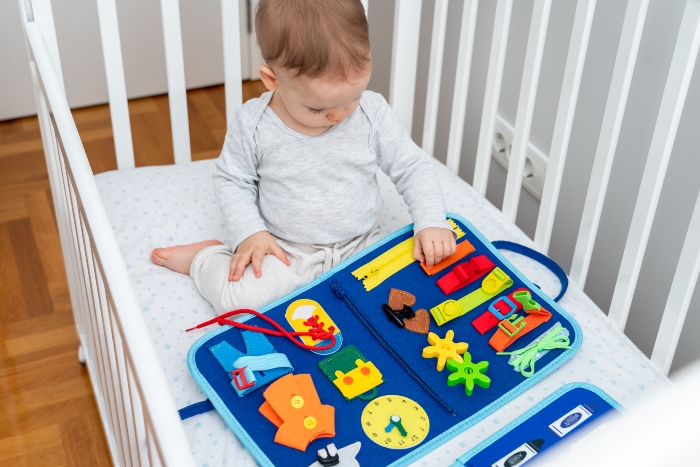
Start with independence, but keep it age-appropriate. Preschool teachers do not expect children to do everything alone. They do appreciate when kids have practiced basic tasks like washing hands, putting on shoes, opening simple containers, cleaning up toys, and asking for help. These little skills matter because they reduce frustration and help your child feel more confident in a group setting.
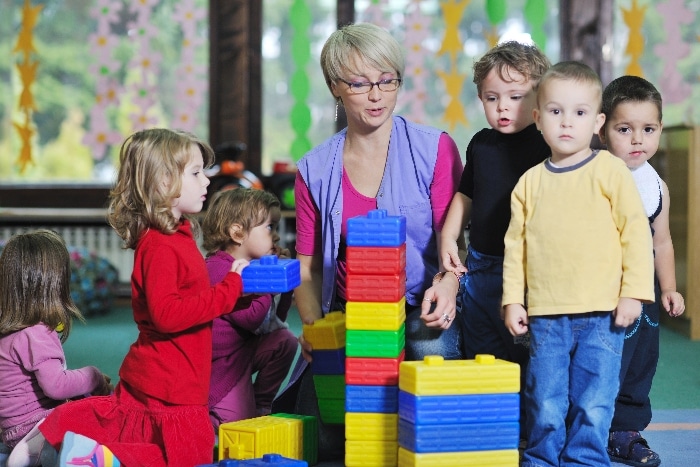
It also helps to practice following simple directions. That can happen during everyday life. Ask your child to put the book on the table and then bring you their cup. Turn cleanup into a habit instead of a battle when you can. If your child is not great at transitions, begin giving short warnings before switching activities. Preschool classrooms run on transitions, and some kids struggle with that more than circle time or crafts.
Social readiness matters too, but it does not mean your child has to be outgoing. Some children jump into a room full of strangers. Others need time to watch before joining in. Both can do well in preschool. What helps is practicing things like taking turns, using words instead of grabbing, sitting for a short activity, and hearing no without completely falling apart every time. That last one takes time, and honestly, a lot of preschoolers are still working on it.
Focus on Routine Before Academics
Parents often worry about letters, numbers, and whether their child should already know how to write their name. Some preschools do introduce academic concepts early, but most are also looking for basic emotional and behavioral readiness. A child who can separate with support, participate in a routine, and recover after a hard moment may have an easier start than a child who can count to 30 but melts down at every transition.
If you want to support learning at home, keep it light. Read together every day. Talk about colors, shapes, and counting during errands or snack time. Sing songs, notice patterns, and let your child use crayons, paint, and safety scissors. These activities build preschool skills without making home feel like a test.
If your child has little interest in worksheets or formal learning, that does not mean they are behind. Many young children learn best through play and repetition. Preschool is often where those early academic habits begin to click.
Help Your Child Know What Preschool Will Feel Like
A lot of preschool anxiety comes from not knowing what to expect. Young children do better when they can picture the day, even in a basic way. Talk about preschool in concrete, simple terms. You might say, “You’ll hang up your backpack, play with toys, have a snack, listen to stories, and then I’ll come back.”
Keep your explanation positive but honest. Avoid promising that they will not cry or that they will love every second. Some children do cry. Some need a few weeks to settle in. It is more helpful to say, “Your teacher will help you, and I will come back after school.” That gives reassurance without pretending the transition will feel easy right away.
If possible, visit the school before the first day. Let your child see the building, classroom, playground, or at least the parking lot and front door. Familiarity helps. If an in-person visit is not available, look at photos from the school and talk through what they show. Even seeing cubbies, art tables, or a story rug can make the setting feel less mysterious.
Books about starting school can help too, especially for kids who process feelings through stories. Just do not overdo it if your child starts to look overwhelmed. For some children, one or two calm conversations are enough. For others, repeated discussion helps. It depends on your child’s temperament.
Prepare for Preschool by Practicing Separation
If your child has not spent much time away from you, separation may be the hardest part. That does not mean preschool is a bad idea. It simply means you may want to practice in smaller ways before day one.
Short separations can help your child learn that goodbye is not forever. Let them stay with a grandparent, trusted babysitter, or family friend for a little while if that is realistic for your family. Keep the goodbye clear and calm. Sneaking out can backfire, even if it seems easier in the moment. Children need to learn that you leave and come back, not that you disappear.
If your child cries when you leave, try not to treat the tears as proof they are not ready. Tears are common. What matters more is whether they can be comforted after you go. Many preschool teachers will tell you that some of the hardest goodbyes are followed by perfectly happy mornings ten minutes later.
Your own tone matters here too. Kids pick up on hesitation fast. If you seem unsure, they may decide there is something to worry about. That does not mean you have to hide every emotion, but a confident, loving goodbye usually works better than a long, shaky one.
Get the Morning Routine Under Control
The first week of preschool is not the time to discover that getting out the door takes 47 minutes longer than you thought. A few practical changes can make mornings much less stressful.
Start adjusting bedtime and wake-up time about one to two weeks before school begins. Preschool mornings can feel rough if your child is used to sleeping in. Shift the schedule gradually when possible. An overtired child is more likely to struggle with separation, cooperation, and emotional regulation.
Lay out clothes the night before, pack the backpack ahead of time, and double-check any school forms or supplies. If your child is particular about shoes, socks, or which cup they want, make those choices before the morning rush. Small decisions can feel huge when everyone is tired and trying to leave.
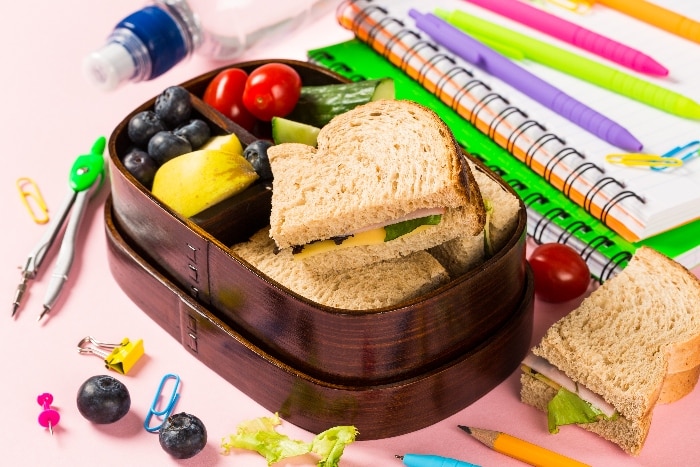
Breakfast matters, but it does not have to be fancy. Aim for something familiar and filling. If your child tends to get nervous and eat less, keep portions small and predictable. The goal is not a perfect breakfast. The goal is one less thing to argue about before school.
What to do if Your Child Resists Preschool
Some resistance is typical, especially at the beginning. A child can want preschool and still protest going. That sounds contradictory, but it is common with big transitions.
If your child resists, start by figuring out what is underneath it. Sometimes it is separation anxiety. Sometimes it is fear of the bathroom, loud classrooms, unfamiliar adults, or not knowing the routine. Sometimes they are just exhausted. The more specific you can get, the easier it is to help.
Validate the feeling without backing away from the plan too quickly. You can say, “You feel nervous about school. New things can feel hard.” Then stay steady. If you treat every complaint as a sign that preschool should stop, your child may learn that anxiety decides the schedule. On the other hand, if something seems truly off after the adjustment period, talk with the teacher and reassess. There is a difference between a normal transition and a setting that is not the right fit.
Teachers can be great partners here. Let them know if your child is shy, sensitive to noise, or having trouble with drop-off. A good preschool teacher has seen a wide range of adjustment styles and can often suggest what helps in that specific classroom.
Remember That Readiness is Not One-size-fits-all
When parents ask how to prepare for preschool, they are often really asking, “Will my child be okay?” That answer is rarely based on one checklist. Some children are toilet-trained but struggle socially. Others are very verbal but need help with transitions. Some are young for their class and still do beautifully because the environment fits them.
It helps to think in terms of support, not perfection. Preschool is a place where children practice skills, not a place where they are expected to arrive already polished. Your job is not to send in a child who never cries, always shares, and loves every group activity. Your job is to help them build familiarity, trust, and a little confidence before the first day.
And if the first week is messy, that does not mean you failed. Plenty of kids need time to adjust, and plenty of parents need time too. Keep the routine steady, keep communication open, and give the process a little room to work. Sometimes preschool readiness looks less like a big milestone and more like a series of small brave steps, taken one morning at a time. Don’t give up, it takes time and lots of patience when it comes to helping your child learn how to prepare for preschool without the stress.