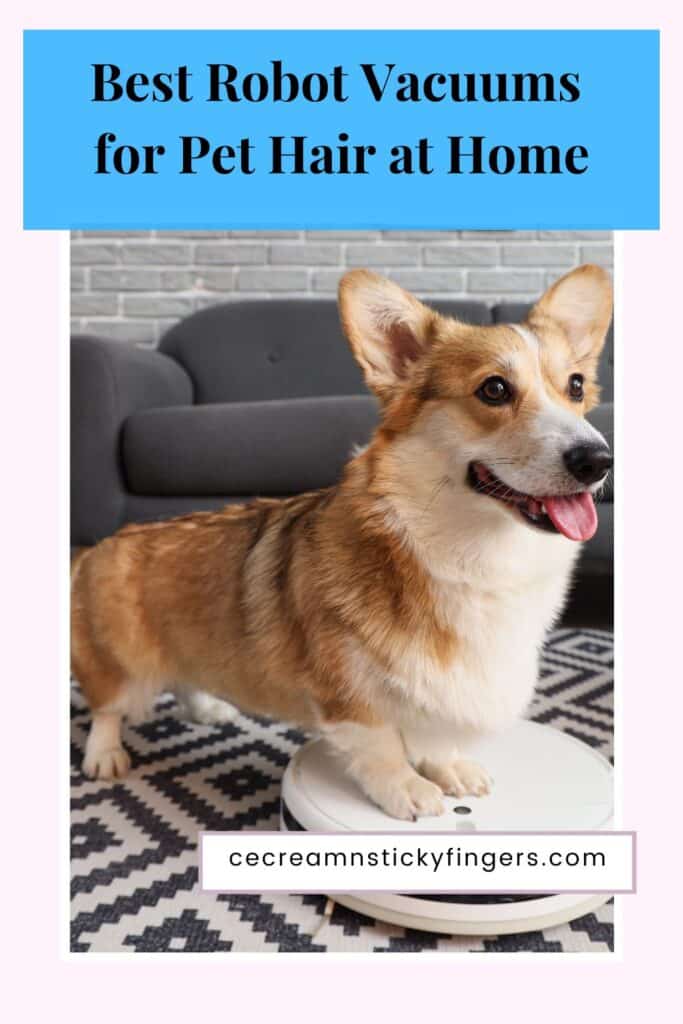
Best Robot Vacuums for Pet Hair at Home
If your floors seem to grow a fresh layer of fur between breakfast and school pickup, you are not imagining it. For busy families, robot vacuums for pet hair can feel less like a fancy gadget and more like a way to stay one step ahead of the daily mess without dragging out the upright vacuum every afternoon.
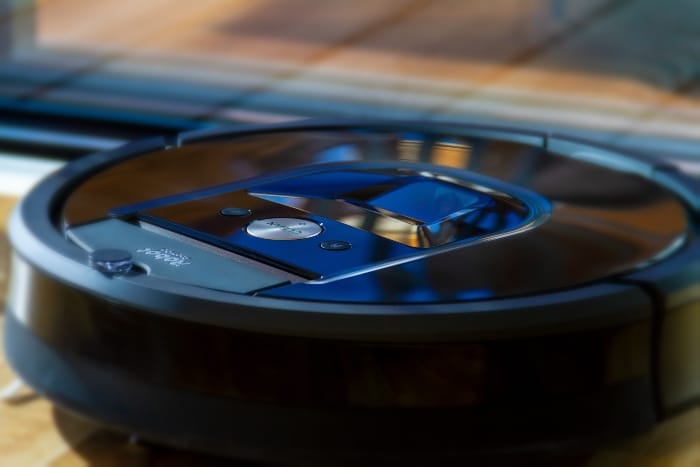
The catch is that not every robot vacuum handles pet hair well. Some do a great job on hard floors but struggle when fur gets woven into rugs. Others pick up plenty of debris but need constant brush cleaning, which kind of defeats the purpose when your hands are already full. If you are shopping for one, it helps to know what actually matters for a home with pets and kids, and what features sound nice but may not matter much in real life.
What Makes Robot Vacuums for Pet Hair Worth It?
A robot vacuum will not replace every deep-cleaning job in your house. If you have thick carpet, several pets, or a dog that blows its coat twice a year like it is a competitive sport, you will probably still need a regular vacuum sometimes. But the biggest win is maintenance.
Pet hair has a way of spreading fast. It collects under the dining table, along baseboards, in hallway corners, and somehow on stairs the robot cannot even reach. When a robot vacuum runs on a schedule, it keeps fur and dander from piling up to the point where cleaning feels overwhelming. That matters even more in family homes where crumbs, dirt, and random mystery debris are already part of the daily routine.
For many parents, the value is not spotless floors. It is reducing the background stress. A decent robot vacuum can make the house feel more manageable between bigger cleaning sessions, especially if you have a shedding dog, a cat who treats the litter box like a launch pad, or kids who snack while moving through every room.
How to Choose Robot Vacuums for Pet Hair
The best choice depends on your floors, your pets, and how much hands-on maintenance you can tolerate. That last part matters more than people expect.
Suction Matters, But Brush Design Matters Too
A lot of brands advertise strong suction, and yes, that helps. But for pet hair, the brush roll design often makes a bigger difference. Hair wraps are one of the most common frustrations with robot vacuums. If the main brush tangles easily, you may end up cutting hair out of it every few days.
Look for models that mention anti-tangle brushes, rubber brush rolls, or brush systems designed for homes with pets. Rubber rollers tend to do especially well because hair is less likely to wind tightly around them than it is around traditional bristle brushes.
That said, if your home has a mix of long human hair and pet hair, even the best design may still need occasional cleaning. No brand has completely defeated that problem.
Hard Floors are Easier Than Carpet
If most of your home is tile, hardwood, laminate, or vinyl, you have more flexibility. Robot vacuums generally do very well picking up fur from hard surfaces, especially if they can get close to edges and under furniture.
Carpet is where the differences show up. Low-pile rugs are usually fine. Medium-pile carpet can go either way. Thick carpet or shag rugs are much harder, especially for robots that are more focused on quiet operation or battery life than deep pickup. If pet hair gets embedded in carpet fibers, you may still need a full-size vacuum once or twice a week.
Mapping and Obstacle Avoidance Are Not Just Extra Features
In a house with pets and kids, floors are rarely clear. There are socks, toy food, charging cords, puzzle pieces, and the occasional chewed-up whatever-your-dog-found. A robot vacuum with smart mapping and obstacle avoidance can save a lot of frustration.
Basic models often bump around until they eventually cover the room. That can work, but it is slower and more likely to get stuck. Smarter models can map rooms, avoid problem areas, and let you set no-go zones. That is especially helpful around pet bowls, play areas, and spots where charging cords tend to collect.
If you have a puppy or senior pet with occasional accidents, obstacle recognition becomes even more important. Not every robot is good at identifying pet messes on the floor, so this is one feature worth taking seriously rather than treating like a luxury.
Self-emptying Bins Can Be a Real Sanity Saver
Pet hair fills dustbins fast. In a home with one shedding dog, a standard onboard bin may need to be emptied after almost every run. Add kids and everyday debris, and it fills even faster.
A self-emptying base is one of those features that sounds indulgent until you live with it. Instead of dealing with the bin daily, you may only need to empty the larger base every few weeks, depending on your household. For parents juggling school schedules, meals, work, and everything else, that lower-maintenance setup can make the robot much more useful.
The trade-off is cost and space. Self-emptying models are usually more expensive, and the dock takes up more room. If your budget is tight, a regular model can still work well, but you will want to be realistic about the upkeep.
Should You Get a Vacuum-only Model or a Vacuum-mop Combo?
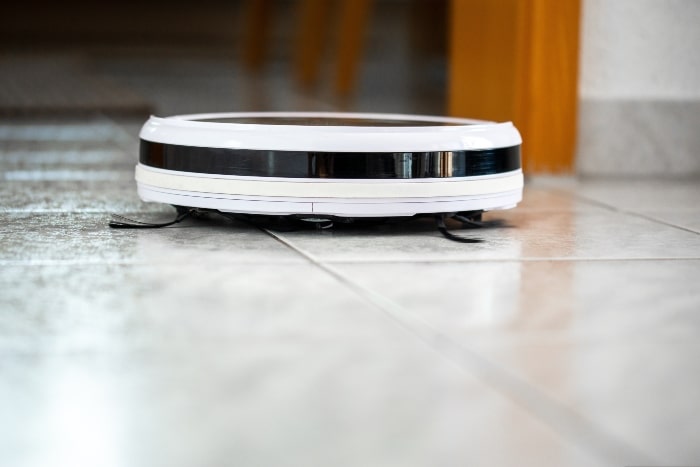
For pet hair alone, vacuum performance comes first. A combo model that mops too can be helpful on hard floors, especially if you are also dealing with paw prints, drool spots, or spilled juice. But mopping features vary a lot.
Some combo units do a light wipe that is fine for maintenance, but not much more. Others are better at scrubbing and lifting dried-on messes. If your main problem is fur tumbleweeds and scattered litter, prioritize the vacuum. If your dog tracks muddy paw prints through the kitchen, then a better mopping system may be worth paying for.
Families with lots of rugs should also check whether the robot can recognize carpet and lift its mop pads or avoid carpeted areas during mopping runs. Otherwise, you may end up babysitting it more than expected.
Features That Matter Most for Family Life
A robot vacuum can be technically impressive and still not fit your home. For families, convenience matters just as much as cleaning power.
Noise level is one thing people often overlook. If you plan to run it during nap time, while working from home, or after the kids go to bed, a quieter model will be easier to live with. App controls are helpful too, especially if you want to start a quick clean after dinner or send it only to the entryway where the dog came in muddy.
Battery life matters more in larger homes. A small robot that cleans one floor well may struggle if you expect it to cover a big open layout in a single run. Some models can recharge and resume automatically, which is useful if your square footage is on the larger side.
And then there is height. If your biggest fur collection happens under beds, couches, and sideboards, the robot needs to actually fit there. This sounds obvious, but it is easy to miss while comparing specs.
The Upkeep Nobody Talks About Enough
Even the best robot vacuum is not maintenance-free. That is probably the biggest mismatch between expectation and reality.
If you have pets, you will still need to clean sensors, wipe wheels, check side brushes, and remove tangled hair now and then. Filters need replacing. Brushes wear down. Dust bags in self-emptying docks need changing too. The robot saves time, but it does not erase maintenance.
That does not make it a bad buy. It just means the best model is often the one you can keep up with. If a machine has complicated parts that are annoying to clean, it may end up parked in a corner after the novelty wears off.
When a Robot Vacuum May Not Be Enough
There are some homes where expectations need adjusting. If your dog sheds heavily and your carpets are thick, a robot vacuum may help with daily control but not full removal. If your pet is anxious around noise or moving objects, the robot may create more stress than convenience. And if your floor is constantly covered with toys, laundry, and backpacks, even a smart robot can only do so much.
That does not mean it is not worth trying. It just means success usually comes from pairing the robot with a realistic routine. Maybe it runs every morning after school drop-off. Maybe it handles the downstairs hard floors while you do a deeper vacuum upstairs on weekends. The goal is not perfection. It is making the everyday mess feel easier to manage.
For a lot of families, that is exactly why robot vacuums for pet hair earn a spot in the house. They are not magic, and they are not one-size-fits-all. But when you choose one that fits your floors, your pets, and your actual schedule, it can take one small but constant chore off your plate – and some weeks, that is more helpful than it sounds. Buy a Robot Vacuum or Mop Combo (aff link) here!