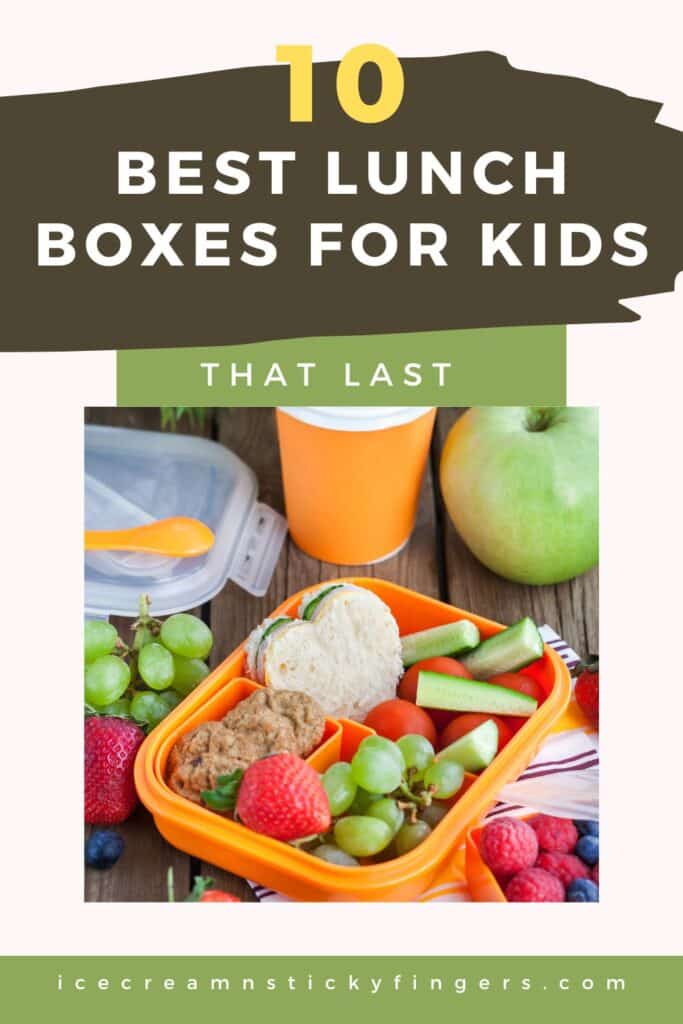
10 Best Lunch Boxes for Kids That Last
By the third time you scrub yogurt out of a backpack pocket, “best lunch boxes for kids” stops feeling like a casual shopping search and starts feeling personal. Parents do not need one more cute container that leaks by Wednesday, smells weird by Friday, or comes home with half the food untouched because it was too hard for little hands to open.
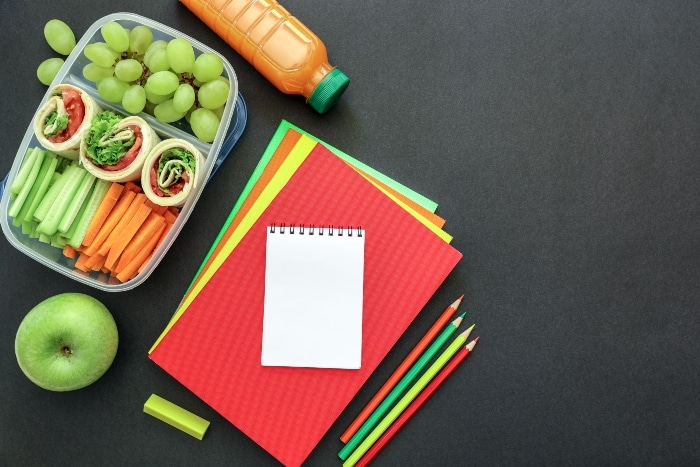
The right lunch box makes school mornings easier, helps kids actually eat what you packed, and cuts down on waste, mess, and last-minute frustration. It also looks a little different depending on your child’s age, appetite, and school setup. A preschooler who needs help opening every compartment has different needs than a third grader who wants their lunch to stay cold until noon and still look “not babyish.” So we compiled a list of the best lunch boxes for kids to help make the decision easier.
What Makes the Best Lunch Boxes for Kids?
The best options are not always the trendiest ones. For most families, the sweet spot is a lunch box that is easy for your child to open, simple for you to clean, and durable enough to survive being dropped, kicked under a cafeteria bench, or forgotten in the car overnight.
Leak resistance matters, but it is usually where marketing gets a little ahead of real life. Some lunch boxes are excellent for dry foods and thicker items like yogurt or hummus, but they are not meant for thin liquids like soup or runny salad dressing. If your child likes variety, a bento-style lunch box can be a game-changer. If they eat a sandwich, fruit, and one snack every day, a soft insulated lunch bag with a couple of containers may be more practical.
Insulation is another area where it depends. If your child’s school has an early lunch period, heavy-duty insulation may not matter much. If lunch happens late or the box sits in a warm classroom, better insulation and room for an ice pack become much more important.
10 Best Lunch Boxes for Kids to Consider
1. Bento-style Boxes for Kids Who Like Variety
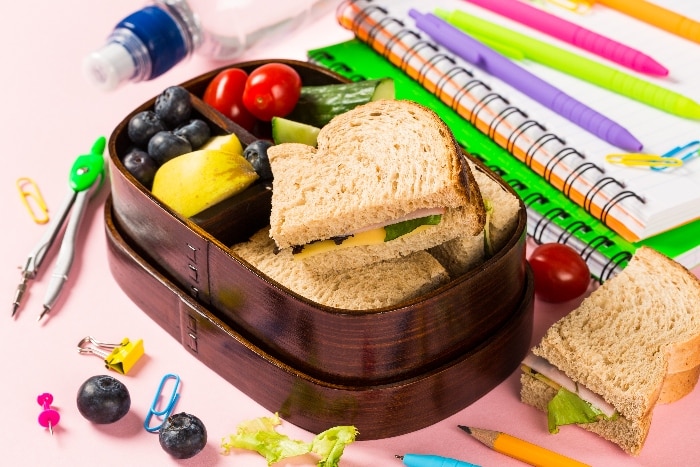
Bento lunch boxes work well for children who prefer small portions and a little bit of everything. They help parents pack balanced lunches without using several separate containers, and they can be especially helpful for picky eaters who do better when foods are kept apart.
The trade-off is weight and cleaning. Some bento boxes are heavier than they look, and all those compartments can be annoying if your mornings are already rushed. They are best for kids old enough to open and close them without cracking latches.
2. Soft Insulated Lunch Bags for Everyday Flexibility
A soft lunch bag is still one of the easiest choices for busy families. It is lightweight, often roomier than hard lunch boxes, and gives you flexibility to pack different container sizes from one day to the next.
This style is a solid fit for elementary-age kids who are past the stage of needing every item neatly separated. The downside is that soft bags do not keep food organized on their own, so squished bananas and tipped containers are more likely if you are not careful about what goes inside.
3. Hard-shell Lunch Boxes for Kids Who are Rough on Everything
Some children are just hard on their stuff. If your kid drops their backpack every afternoon like it owes them money, a hard-shell lunch box can help protect softer foods and hold up better over time.
These are often easier to wipe down than fabric bags, but they can feel bulky. They also take up more backpack space, which matters if your child already has a folder, library book, water bottle, and a mystery collection of crumpled papers stuffed in there.
4. Leak-resistant Compartment Boxes for Mess-prone Lunches
If your child loves dips, cut fruit, pasta salad, or foods with a little moisture, a leak-resistant compartment box can save you a lot of cleanup. These are especially nice for parents trying to avoid packing five tiny containers every day.
Still, leak-resistant does not always mean leakproof in every situation. If a lunch box gets turned sideways for hours, even good seals can fail. They are best for thicker foods, not anything truly pourable.
5. Stainless Steel Lunch Boxes for Families Avoiding Plastic
Stainless steel lunch boxes appeal to parents who want something sturdy, long-lasting, and less dependent on plastic. They are often easier to keep odor-free and tend to hold up well over multiple school years.
The catch is that they usually are not microwave-safe, and some can be heavier for younger kids. If your child reheats lunch at school, this may not be the best match.
6. Lightweight Lunch Boxes for Preschool and Daycare
For little kids, simple usually wins. A lightweight lunch box with easy zippers, a wide opening, and just enough structure is often better than a complicated bento system that requires adult-level fine motor skills.
This is one area where parents sometimes overbuy. The cutest, most feature-packed lunch box is not helpful if your four-year-old cannot open it alone or gets frustrated trying to put it away.
7. Expandable Lunch Bags for Bigger Appetites
As kids get older, lunch needs change fast. An expandable lunch bag gives more room for extra snacks, larger portions, or a sports-practice add-on without needing a completely different setup.
These are especially useful for tweens or kids going through that phase where they seem hungry every 20 minutes. Just make sure bigger does not turn into overpacked and awkward to carry.
8. Lunch Boxes with Removable Inserts for Easier Cleaning
Anything that makes cleanup easier deserves a serious look. Lunch boxes with removable trays or inserts help when there is a spill, and they make it easier to wash only the part that got messy instead of the entire bag.
For many families, this ends up being more important than color or character design. A lunch box you can clean quickly is one you will keep using.
9. Freezer-pack Lunch Boxes for Extra-cold Lunches
Some lunch boxes come with built-in cooling panels or freezer inserts, which can be useful if your child loves yogurt, cheese, or deli meat and has a later lunch time. They can reduce the number of separate ice packs you need to juggle in the morning.
The trade-off is planning ahead. If you forget to freeze the insert the night before, the whole feature is pretty useless. Busy households do not always need one more thing to remember.
10. Character Lunch Boxes That Make Kids Excited to Eat
Yes, practical features matter, but so does buy-in. If your child is much more willing to carry and use a lunch box with a favorite color, animal, or character, that counts for something.
You do not have to choose between fun and functional, but if you do, function should still lead. A lunch box that gets your child excited for a week but breaks before fall break is not really a win.
How to Choose the Best Lunch Boxes for Kids in Real Life
Start with your child’s school day, not the product photos. Ask yourself when lunch happens, whether there is access to refrigeration, how much your child actually eats, and whether they can manage lids, zippers, and compartments on their own.
Then think about your own routine. If you are packing lunches half-awake before coffee, you probably want something simple, fast, and forgiving. If you enjoy meal prep and like sending a mix of foods, a compartment-style lunch box may make your mornings easier, not harder.
It also helps to be honest about cleaning habits. Some lunch boxes look great online but have too many corners, seals, and parts for real everyday use. If you know dishes pile up and lunches sometimes sit until evening, choose something that is easy to rinse, wipe, or run through the dishwasher if allowed.
Features That Matter More Than Parents Expect
Ease of opening is a big one. Adults can test a latch in two seconds and assume it is fine, but small hands in a noisy cafeteria are a different story. If your child cannot open their own lunch, they may skip parts of it or wait for help they do not get.
Size matters too, and not just for food. A lunch box should fit inside or alongside your child’s backpack without turning the whole thing into a juggling act. Oversized lunch gear can be surprisingly annoying for little kids.
Odor retention is another issue that families learn about the hard way. Fabric-lined lunch bags and some plastics can hold onto the smell of old milk or forgotten fruit. If your child tends to leave lunch leftovers packed until after pickup, materials that clean up easily are worth paying for.
A Few Lunch Box Mistakes to Avoid
One common mistake is choosing based only on looks. Another is assuming your child needs the same type of lunch box all through elementary school. Their appetite, independence, and preferences will change, sometimes quickly.
It is also easy to overcomplicate lunch packing. More compartments are not always better. More accessories are not always helpful. Sometimes the best system is the one that lets you pack food in five minutes and get everyone out the door with less stress.
At Ice Cream n Sticky Fingers, we know family routines work best when they feel doable, not perfect. The best lunch box is the one that fits your child, your schedule, and your actual weekday energy level.
If you are choosing between two decent options, go with the one that makes school mornings simpler and lunchtime easier for your child. That kind of small win adds up fast.