Baby Monitor Versus Camera: Which Fits?
You can spend 20 minutes trying to fold baby clothes, and somehow end up deep in product tabs comparing a baby monitor versus camera instead. If that sounds familiar, you are not overthinking it. Parents want the same thing here – a reliable way to check on their child without adding one more frustrating gadget to the house.
The tricky part is that a baby monitor and a camera can look similar on the surface. Both may offer video, sound, and app access. Both may promise peace of mind. But in real life, they do not always work the same way, and the best choice depends on your child’s age, your home setup, and how you actually plan to use it at 2 a.m. when nobody is in the mood for troubleshooting. Let’s take a look at the baby monitor versus camera so you can choose the best option for your family.
Baby Monitor Versus Camera: What is the Actual Difference?
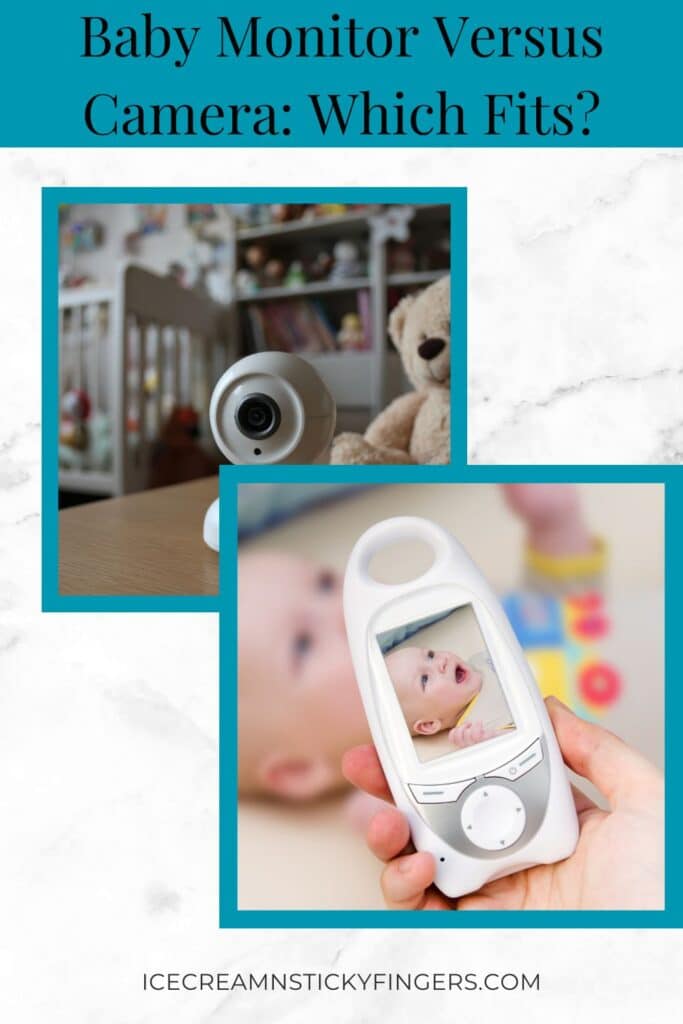
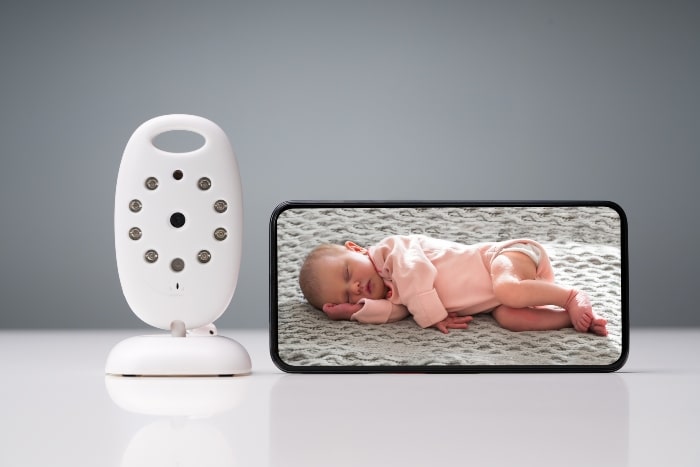
A baby monitor is built specifically for keeping an eye and ear on your child. Many come with a dedicated parent unit, which means you can check the feed without opening your phone, logging into an app, or worrying about whether your Wi-Fi is acting up. Some baby monitors also include extras like two-way audio, temperature readings, lullabies, night vision, and alerts for sound or movement.
A camera, usually a Wi-Fi security camera or smart home camera, is designed more broadly for home monitoring. It may sit in a nursery just fine, but it was not created only for babies. That means it might have strong video quality and smart features, but it may not include the little details that matter to tired parents, like a screen that stays on your nightstand or a battery-powered receiver you can carry from room to room.
That difference sounds small until you picture everyday life. A dedicated baby monitor tends to be simpler and faster for quick check-ins. A camera may offer more flexibility, especially if you want to monitor other parts of the house later, but it can also come with more setup, more app management, and more dependence on your internet connection.
When a Baby Monitor Makes More Sense
For newborns and younger babies, a baby monitor often feels easier because it is purpose-built. If you are nursing at night, juggling naps, or handing the receiver to a grandparent or babysitter, the dedicated screen can be a huge relief. You do not have to explain an app, reset passwords, or wonder whether someone remembered to charge their phone.
Another big plus is reliability inside the home. Non-Wi-Fi baby monitors often use a direct signal between the camera and parent unit. That means if your internet goes down, you can still watch and listen. For families with spotty Wi-Fi or larger homes where connection issues already test everyone’s patience, this matters more than flashy features.
A baby monitor can also be a better fit if you want fewer distractions. Your phone already handles texts, work emails, school reminders, and grocery lists. Adding your nursery feed to that same device is convenient, but it also means your baby feed competes with everything else on your screen. Some parents love an all-in-one app. Others want one device that does one job well.
When a Camera Might Be the Better Choice
A camera can be a smart option if you already use smart home devices and feel comfortable managing everything through your phone. Many cameras offer sharp video, remote viewing while you are away from home, motion alerts, cloud storage, and the ability to reuse the device later in a playroom, front entryway, or common area.
That flexibility is one of the biggest advantages. If your baby is getting older and you are less concerned about constant audio monitoring, a camera may work well as a general room check-in tool. It can also help if you have multiple caregivers who all want app access from their own devices.
Cost can also tip the scale. Some families already own a home security camera or can buy one for less than a full video monitor system. If your budget is tight and you mainly want visual check-ins, a camera may cover the basics without the higher price tag of a premium baby monitor.
Still, cheaper upfront does not always mean simpler long term. Some cameras rely on subscriptions for recorded video or extra features. Others send too many alerts, which gets old fast when a ceiling fan or shifting light keeps triggering your phone.
Safety and Privacy Matter More Than the Feature List When It Comes to Baby Monitor Versus Camera
This is where the baby monitor versus camera decision gets more personal. Wi-Fi cameras can be convenient, but they also come with privacy concerns. Any internet-connected device creates another point you need to secure with strong passwords, updated software, and careful account settings.
That does not automatically mean cameras are unsafe. It means they require more attention. If you choose a Wi-Fi baby monitor or smart camera, take setup seriously. Use a unique password, turn on two-factor authentication if available, update the firmware, and review who has access.
Non-Wi-Fi baby monitors reduce some of those privacy worries because they are not connected to the internet in the same way. For some parents, that peace of mind is worth giving up app-based access outside the home. For others, being able to check the nursery while at work or during date night is a feature they really value. Neither choice is wrong. It depends on what helps you feel informed without feeling anxious.

Think About How you Parent, not Just What the Box Says
A lot of buying advice skips this part, but it matters. The best device is the one that fits your routines.
If your baby naps in a separate room and you move around the house folding laundry, helping older siblings with homework, or starting dinner, a portable parent unit may make your life easier. If your child is in daycare and a grandparent helps in the afternoon, simple controls may beat advanced app features every time.
If you travel often, you may want something compact and easy to pack. If you have twins or more than one young child, split-screen or multi-camera capability starts to matter. If your child is already a toddler climbing out of bed and calling for water every 14 minutes, clear audio and fast access may matter more than sleep tracking features.
Parents sometimes buy the fanciest option and still feel annoyed by it because it does not match how they actually live. A practical setup that works every day is better than a high-tech one that creates more friction.
Features Worth Paying Attention To
Video quality matters, but only to a point. You want a clear enough image to see whether your child is asleep, standing, or tangled in a blanket. Ultra-high-definition footage is nice, but it is not usually the main factor in a nursery.
Audio quality is often more important than people expect. You want to hear crying, coughing, or that unmistakable sound of a toddler getting into mischief. Delayed or inconsistent audio gets frustrating quickly.
Night vision is essential, and range matters more in some homes than others. A two-story house, thick walls, or a detached office can change what works well. Battery life on the parent unit is another practical detail that is easy to overlook until it dies right before bedtime.
For cameras, app quality deserves close attention. A glitchy app can ruin an otherwise good device. For baby monitors, look at how intuitive the controls are. At night, nobody wants to scroll through confusing menus just to lower the volume.
What About Long-term Value?
A baby monitor often shines brightest during infancy and the toddler years. After that, some families stop using it altogether, while others keep it for quiet room checks, especially with children who wander, climb, or struggle with sleep.
A camera may offer more life beyond the nursery. You can move it to a playroom, use it as part of a home security setup, or repurpose it for pet monitoring. If you like buying gear that can grow with your family, that can be a real plus.
But long-term value is not only about reuse. It is also about how much stress a device saves you right now. When parents are running on little sleep, convenience has value too.
So, Which One Should You Choose?
If you want something easy, reliable, and designed around baby care, a baby monitor is usually the better fit. It is especially helpful for newborns, frequent nighttime wakeups, and households where multiple caregivers need a simple setup.
If you want flexibility, app access, and a device you can use beyond the nursery, a camera may be the smarter buy. It can work well for older babies, toddlers, or families already comfortable with smart home technology.
For many parents, the answer is less about which product is better and more about which trade-offs feel manageable. Some will gladly choose a dedicated monitor to avoid Wi-Fi headaches. Others will accept app setup in exchange for better remote access and multiuse value.
If you are standing in that familiar parenting moment of trying to make the smartest choice without turning it into a research project, keep it simple. Pick the option that will be easiest to use when you are tired, busy, and carrying three things at once. A baby monitor versus a camera essentially do similar tasks, you just have to decide which is right for your family.