Why Do Toddlers Bite? What Parents Can Do
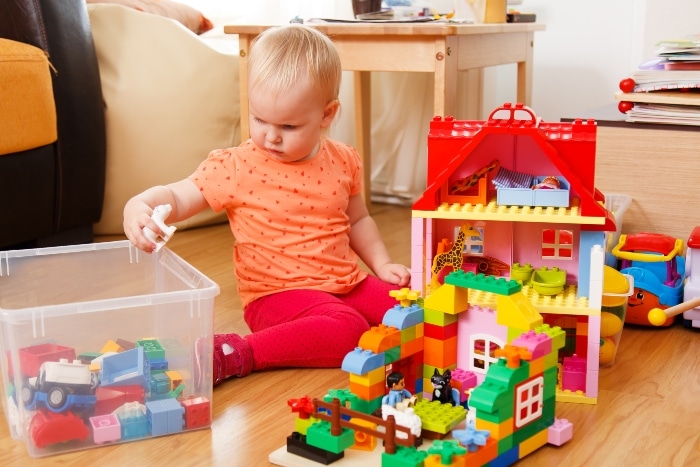
One minute, your toddler is playing with blocks, and the next, they’ve sunk their teeth into another child’s arm. It happens fast, it feels awful, and for many parents, it raises the same panicked question: why do toddlers bite?
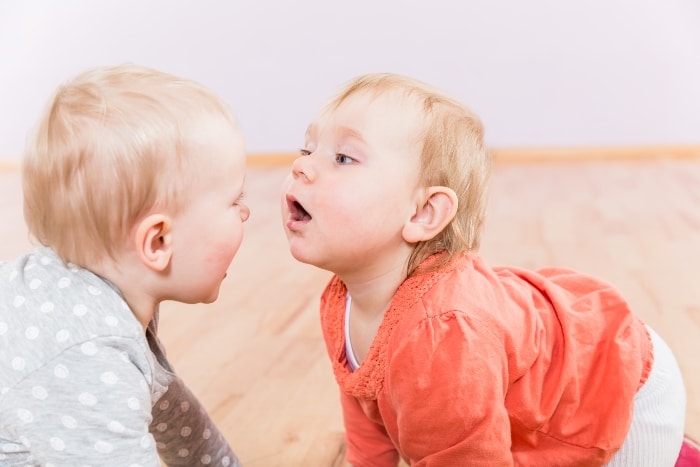
The short answer is that biting is common in toddlers, especially between ages 1 and 3. That does not make it fun, and it definitely does not make it easy when it happens at daycare, during a playdate, or right in the middle of the living room. But in most cases, biting is not a sign that your child is mean or aggressive. It is usually a sign that they do not yet have the language, self-control, or coping skills to handle a big feeling or a frustrating moment. Let’s take a look at why do toddlers bite!
Why do Toddlers Bite so Often?
Toddlers are still learning how to be in the world. They want toys, space, attention, control, and comfort, but they do not always have the words to ask for those things. Biting can show up when a child feels overwhelmed, excited, angry, threatened, tired, or even curious.
For some kids, biting is about communication. A toddler who cannot say, “Move,” “I’m mad,” or “That’s mine” may use their body instead. For others, it is sensory. They may like the pressure on their jaw, especially if they are teething or seeking physical input. Some toddlers bite because they are experimenting with cause and effect. They bite once, see a huge reaction, and their little brain files that away as something powerful.
That is what makes this behavior tricky. There is not always one reason. It depends on the child, the setting, and what happened right before the bite.
Common Reasons Toddlers Bite
A lot of biting comes back to development. Toddlers are impulsive by nature. They can feel something huge in their body and act on it before they even understand what they are doing.
Frustration is a big trigger. If another child takes a toy, gets too close, or interrupts play, biting can happen before an adult has time to step in. Overstimulation is another common cause. Loud rooms, busy group care settings, skipped naps, hunger, and transitions can all push a toddler past their limit.
Teething can play a role, too, especially in younger toddlers. If their mouth hurts, biting may feel relieving. Excitement can also lead to biting, which surprises many parents. Some toddlers bite when they are happy, wound up, or desperate to connect. They may hug too hard, tackle, or bite because they have not yet learned how to manage strong positive feelings, either.
Then there is attention. Even negative attention can be reinforcing for some children. If biting reliably brings a big reaction from adults, siblings, or peers, it can become a repeated behavior.
Biting at Daycare Versus Biting at Home
If your child bites only at daycare, that does not automatically mean daycare is doing something wrong. Group settings can be hard for toddlers. There is more noise, more competition for toys, more waiting, and more stimulation than they may have at home.
If your toddler bites only at home, the trigger may be different. Sibling conflict, bedtime fatigue, transitions, or a need for one-on-one attention might be part of the picture. Patterns matter more than location alone.
What to do Right After Your Toddler Bites
In the moment, keep your response calm, clear, and quick. First, make sure the child who was bitten is safe and cared for. Then turn to your toddler and set a simple limit: “I won’t let you bite” or “Biting hurts. Teeth are not for people.”
Try not to lecture. A long explanation usually goes right over a toddler’s head, especially when emotions are high. You do not need to shame, yell, or bite back. Harsh responses may stop the behavior in the moment from fear, but they do not teach the skill your child actually needs.
If your toddler is overwhelmed, help them regulate before expecting them to learn. Move them to a quieter space, get low to their level, and help them calm their body. Once they are settled, use short teaching phrases like “Say mine,” “Ask for help,” or “Touch gently.”
That teaching part matters. Stopping the bite is only half the job. The other half is showing your child what to do instead.
How to Stop Toddler Biting Over Time
If you want the biting to decrease, look for the pattern behind it. Ask yourself what is happening right before the bite. Is your child hungry? Tired? Crowded by other kids? Frustrated over toys? Struggling with transitions? The more specific the trigger, the more helpful your plan will be.
When you know the pattern, you can get ahead of it. A child who bites during toy conflict may need closer supervision and coaching with turn-taking. A child who bites when tired may need an earlier nap or calmer late-afternoon routine. A child who bites from sensory need may benefit from safe things to chew, crunchy snacks, or more movement during the day.
Language support helps many toddlers. Simple scripts can be surprisingly effective when practiced often: “My turn,” “No,” “Move please,” “Help me,” and “All done.” You are not expecting perfect manners in the heat of the moment. You are giving your child replacement tools.
If your Toddler Bites When Upset
Big feelings and biting often go together. In that case, focus on emotional coaching and prevention. Name feelings in real time: “You’re mad,” “You wanted the truck,” or “That was too loud.” Then pair the feeling with a clear action: “Mad feelings are okay. I won’t let you bite. Stomp your feet” or “Come here, I’ll help.”
Some parents worry that validating feelings means excusing behavior. It does not. You can be warm and firm at the same time. That balance usually works better than going all punishment or all comfort.
If your Toddler Bites for Sensory Reasons
Some children truly need more oral input. If your toddler chews shirts, toys, blankets, or fingers, biting may not be only about behavior. Offer safe alternatives and notice when the urge seems strongest. Teething toys, chewy snacks, cold washcloths, and crunchy foods may help, depending on age and safety.
If the biting is frequent, intense, or paired with other sensory struggles, bring it up with your pediatrician. Sometimes extra support can help you understand what your child is seeking.

What Not to Do When a Toddler Bites
It is tempting to react with embarrassment, especially if another parent is watching. Still, a few responses tend to make things worse.
Biting your child back is not recommended. It teaches that bigger people can use pain to solve problems. Lengthy scolding is also ineffective for most toddlers. So is labeling them as bad, mean, or a bully. Young children often live up to the roles they hear repeated.
Try not to force an apology right away, either. If your child is dysregulated, a rushed “say sorry” becomes performance, not learning. Repair matters, but it works better when your toddler is calm enough to understand it. You can guide them later to bring an ice pack, check on the other child, or practice gentle touch.
When to Get Extra Help
Most toddler biting improves with time, supervision, and consistent teaching. Still, it is worth talking with your pediatrician if the biting is severe, happening many times a day, continuing well past age 3, or coming with other concerns like delayed speech, frequent aggression, or trouble connecting with others.
This is not about labeling your child. It is about getting support if something bigger is going on. Sometimes speech delays, sensory needs, or regulation challenges make biting harder to outgrow without help.
Reassurance for Parents Who Feel Embarrassed
If your toddler has bitten someone, you are not the only parent dealing with this. Plenty of loving, attentive parents end up having hard conversations with daycare teachers or apologizing at the park. Biting is one of those toddler behaviors that feels personal, but usually is not.
What matters most is not whether your child has ever bitten. What matters is how you respond, what patterns you notice, and how consistently you teach the replacement skills. Toddlers do not learn self-control all at once. They learn it little by little, with repetition, support, and a grown-up who stays steady even when the moment is messy.
If this is your season right now, take a breath. You are not raising a bad kid. You are raising a very young one, and with time, practice, and a calm plan, this phase usually gets better. Toddlers bite, and it is usually just a short phase. Use this guide on why do toddlers bite to help you through this phase.