A Parent’s Guide to Potty Training That Works
That tiny potty can feel like it suddenly takes over the whole house. If you are searching for a guide to potty training, you probably want more than cute underwear and a hopeful weekend plan. You want to know when your child is ready, what to say when they refuse, and how to get through accidents without turning every bathroom trip into a battle.

The good news is that potty training does not have to look like anyone else’s highlight reel. Some children pick it up quickly. Others need time, breaks, and many reminders. A calm routine usually matters more than a perfect method. Let’s take a look at this parent’s guide to potty training.
Start With Readiness, Not Pressure
Age can offer a general clue, but it is not a deadline. Many children show signs of readiness sometime between ages 2 and 3, while others are ready earlier or later. Starting before your child can connect the feeling of needing to go with getting to the potty can make the process harder for everyone.
Look for a few signs happening together. Your child may stay dry for longer stretches, notice when they have a wet or dirty diaper, show interest in the bathroom, or pull their pants up and down with some help. They may also understand simple directions and be able to sit for a couple of minutes.
Just as important, consider what else is happening in your family. A new baby, a move, a daycare change, illness, travel, or a stressful season can make learning a new skill feel like too much. Waiting a few weeks is not giving up. It can be the kindest and fastest choice in the long run.
Set Up a Low-Stress Potty Routine
You do not need a bathroom full of supplies. A small child-sized potty (aff link) or a toilet seat insert with a sturdy step stool is enough. Some children feel more secure on a little potty with their feet on the floor. Others want to use the regular toilet because that is what the grown-ups do. Let your child try both if they are unsure.
Choose easy clothes for the first few days: elastic-waist pants, loose shorts, or a simple dress. Save overalls, tricky buttons, and complicated outfits for later. When the urge hits, every extra second can matter.
Begin by building predictable potty opportunities into the day. Invite your child to sit after waking up, before or after meals, before naps, after naps, and before bath time or bed. Keep the language simple: “It’s potty time. Let’s try.” A short sit is plenty. If nothing happens, move on without disappointment.
For children who resist sitting, start smaller. Let them sit fully clothed for a minute while reading a short book or singing a song. The goal at first is familiarity, not producing a result on demand. Forcing a child to sit can turn the potty into the enemy, and nobody needs that standoff before breakfast.
Pick a Method Your Family Can Actually Maintain
There is no single best approach. Some families set aside a few mostly-at-home days, switch to underwear, and offer frequent reminders. Others take a slower route, using diapers or training pants while gradually increasing potty sits. Both can work.
The quicker approach may make sense when your child is clearly ready and you can stay close to home for a few days. Expect accidents, laundry, and a lot of watching for body signals. The slower approach may be better if your child is in daycare, your schedule is packed, or big changes are already happening at home.
Consistency matters, but it does not mean every adult must use identical words or timing. It means your child gets the same basic message: pee and poop go in the potty, accidents are okay, and we will keep practicing. If your child attends daycare or spends time with grandparents, share the routine and the words you are using. A simple heads-up can prevent mixed expectations.

What to Say When Your Child Uses the Potty
Praise should feel encouraging, not like a performance review. Notice the effort and the skill: “You listened to your body and made it to the potty,” or “You tried sitting on the potty. That was helpful.” If your child goes, a happy high-five, hug, or quick celebration may be all they need.
Small rewards can help some children, especially during the early learning stage. A sticker chart, choosing the next bedtime story, or getting to flush can add excitement. But rewards are not required, and they can backfire if a child becomes more focused on earning something than listening to their body. If you use one, keep it simple and temporary.
Avoid shaming language, even when you are tired of cleaning the floor. Comments about being a big kid, being too old for diapers, or making a mess can create embarrassment around a very normal learning process. Potty training is a developmental skill, not a test of character.
Accidents Are Part of the Plan
Accidents are not proof that potty training is failing. They are information. Maybe your child was deeply involved in play, did not recognize the signal soon enough, or needed a reminder before leaving the house. Respond in a boring, calm way: “Pee goes in the potty. Let’s get cleaned up.”
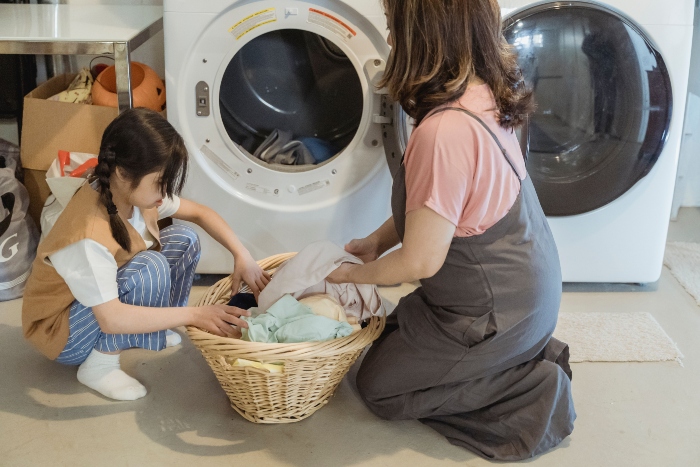
Have your child help in an age-appropriate way, such as putting wet clothes in the laundry basket or grabbing a clean pair of pants. This should never be a punishment. It simply makes cleanup a normal part of the process.
If accidents are happening constantly, take a look at the routine. Your child might need more frequent chances to try, more help with clothing, or a short reset. Sometimes switching back to diapers for a week or two removes pressure and helps everyone regroup. That is not moving backward. Learning rarely happens in a perfectly straight line.
The Poop Problem Is Common
Many children learn to pee in the potty before they feel comfortable pooping there. Pooping can feel unfamiliar or scary, especially if your child has had a painful bowel movement in the past. Some children hide, ask for a diaper, or hold it until they become uncomfortable.
Keep your response gentle and matter-of-fact. Make sure your child has a stable place to put their feet, since dangling legs can make it harder to relax. Offer water, fiber-rich foods, and regular movement as part of everyday care. Do not pressure a child to sit for a long time or punish them for asking for a diaper.
Call your child’s pediatrician if they seem constipated, are withholding poop, complain of pain, have blood in their stool, or become very distressed about bowel movements. Addressing discomfort is more useful than trying to outwait it.
Nighttime Training Usually Comes Later
Being dry at night is different from daytime potty training. It often depends on a child’s body maturing enough to wake when their bladder is full or make less urine overnight. That is not something a child can simply try harder to control.
Keep overnight diapers or training pants as long as your child needs them. You can encourage a bathroom trip before bed and protect the mattress with a washable cover, but do not wake your child repeatedly to use the toilet unless a medical professional recommends it. When your child wakes up dry consistently, they may be ready to try underwear at night.
When to Pause and When to Ask for Help
A little resistance is normal. Intense fear, repeated meltdowns, pain, or a sudden refusal after progress may be a sign to pause. Put the potty away for a short time, return to a low-pressure routine, and try again when your child feels more settled.
Talk with your pediatrician if your child is having painful urination, severe constipation, ongoing stool withholding, frequent accidents after being reliably trained, or if you have concerns about developmental readiness. You know your child best, and asking questions early can ease a lot of worry.
Potty training asks your child to learn a big new skill while you practice patience in very small, repetitive moments. Keep the clothes easy, the cleanup calm, and the expectations realistic. One day, often after what feels like far too many reminders, your child will head to the bathroom on their own – and you will realize the little potty no longer runs the house.
Continue to use the tips in this parent’s guide to potty training. Potty training will be a thing of the past before you know it. But remember even though your child is doing good with potty training, they might have an occasional accident at times. Don’t be discouraged.