Your Realistic Guide to Picky Eater Meals
Some nights, the meal you made with care is met with a firm “no,” a wrinkled nose, or a child who insists they only eat foods that are beige. If that sounds familiar, this guide to picky eater meals is for you. Feeding a selective eater can feel personal and exhausting, especially when you are trying to get dinner on the table before homework, baths, and bedtime. The good news is that you do not have to become a short-order cook or force a battle over broccoli.

Picky eating is common in toddlers, preschoolers, and even elementary-age kids. Their appetite can change from one day to the next, and new textures, smells, or foods touching each other may feel like a very big deal. A calmer approach helps everyone at the table. The goal is not to make your child love every food overnight. It is to create regular chances to eat, learn, and eventually become more comfortable with a wider variety of foods. Let’s take a look at our guide to picky eater meals.
Start With the Division of Responsibility
One of the most helpful shifts for our guide to picky eater meals is separating your job from your child’s job. You decide what food is offered, when meals and snacks happen, and where your family eats. Your child decides whether to eat and how much to eat from what is offered.
That may sound simple, but it takes pressure off both sides. You can serve a balanced meal without negotiating one more bite or making a second dinner after a refusal. Your child gets some control without having to run the kitchen.
This does not mean ignoring hunger. If your child truly did not eat much at dinner, a predictable bedtime snack can help, especially for younger children. Keep it simple and familiar, such as yogurt, toast with peanut butter if appropriate for your family, cheese and crackers, or a banana. The key is that it is not a more exciting replacement for dinner.
Build Picky Eater Meals Around a Safe Food
A safe food is something your child usually accepts. It might be strawberries, plain rice, chicken nuggets, pasta, cucumber slices, tortillas, or a particular brand of yogurt. Including one safe food at most meals gives your child something they can eat while seeing other foods without pressure.
A balanced plate does not need to look like a picture-perfect children’s menu. Think in simple parts: a familiar food, a protein or filling food, a fruit or vegetable, and a carbohydrate. You can serve those parts separately if your child dislikes mixed foods. A taco bowl might become plain rice, shredded chicken, black beans, cheese, avocado, and salsa served in little piles. The family can still eat tacos together.
Here are a few realistic meal combinations that work well for many families:
- Buttered pasta, meatballs or white beans, peas, and sliced pears
- Build-your-own quesadillas with tortillas, cheese, chicken or beans, corn, and avocado
- Breakfast for dinner with scrambled eggs, toast, berries, and turkey sausage
- Snack-plate dinners with crackers, cheese cubes, rotisserie chicken, cucumber, and grapes cut safely for young children
- Baked potato bars with potatoes, cheese, broccoli, chili, or shredded chicken served separately
You do not need to serve every component in equal amounts. A tiny portion of a new food counts. One pea on the plate is still exposure. A large serving can be intimidating and may make a child less willing to engage at all.
Keep One Meal for the Family
It is understandable to reach for the one meal you know your child will eat after a long day. But making a totally separate meal every night can trap you in a cycle that is hard to maintain. Instead, adapt the family meal where it makes sense.
If you are making spaghetti, offer plain noodles before adding sauce. If dinner is stir-fry, set aside chicken, rice, and a few vegetables before mixing in the sauce. If you are serving chili, add cornbread, shredded cheese, and fruit. These small adjustments let your child participate in the family meal without asking them to leap straight into a food they are not ready for.
There is a trade-off, of course. Some nights are too hectic for thoughtful food exposure, and frozen waffles or a familiar sandwich may be the practical answer. Busy parents do not need another reason to feel guilty. Aim for patterns over perfection, not a flawless plate at every meal.
Make New Foods Feel Less Risky
Children often need many exposures before they taste a new food. Seeing it, smelling it, touching it, licking it, or putting it in their mouth and taking it back out can all be steps forward. Try to stay neutral. Saying “You do not have to eat it, but it can stay on your plate” is often more effective than repeated encouragement.
It also helps to connect new foods to foods your child already likes. If they enjoy fries, try roasted potato wedges, then sweet potato fries. If they eat applesauce, offer thin apple slices with a dip. If plain pasta is a favorite, introduce a little grated cheese, then a small amount of mild sauce on the side.
Avoid hiding vegetables as the only strategy. Blending spinach into a smoothie or adding zucchini to muffins can be a useful way to add nutrition, but it does not give children a chance to learn what those foods look and taste like. Use those shortcuts when they help, while continuing to offer recognizable vegetables in low-pressure ways.
Watch the Snack Schedule
A child who grazes all afternoon may not be hungry for dinner, even if they are asking for snacks constantly. Structure can make a surprising difference. Most young children do well with meals and planned snacks spaced every two to three hours, though every child and family schedule is different.
Offer water between eating times when possible, and save milk, juice, and filling snacks for planned meals or snacks. This is not about restricting food. It is about letting your child arrive at the table with enough appetite to notice what is being served.
If daycare pickup happens right before a long commute or after-school activity, a filling snack may be necessary. Try pairing foods for staying power, such as cheese and fruit, yogurt and cereal, or crackers with hummus. Then keep dinner expectations lighter on those evenings.
Take Pressure Off the Table
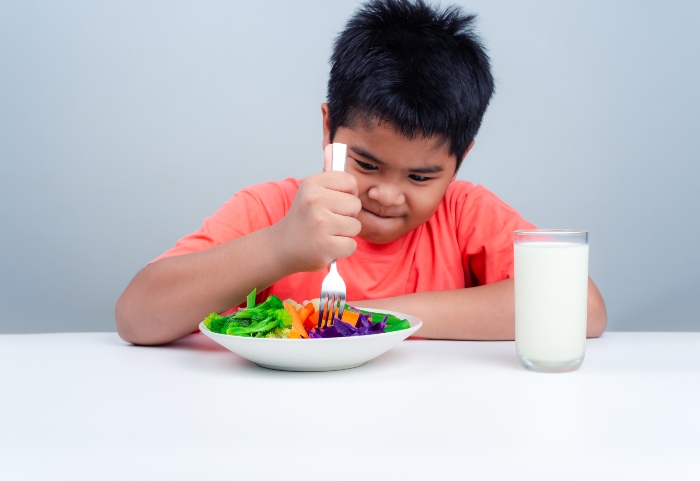
The dinner table is not the best place to teach a child a lesson about gratitude, nutrition, or manners through force. Gentle boundaries matter, but power struggles rarely help picky eating. Comments like “Just three bites” or “You cannot leave until you finish” can make a child even more wary of the food in front of them.
Try conversation that is curious rather than persuasive. You might say, “This carrot is crunchy,” or “The chicken smells like garlic.” Let your child see you eat a range of foods without making your own plate a sales pitch. Family meals are partly about nourishment, but they are also about practice, connection, and watching other people eat.
If your child refuses a meal, keep your response calm and brief. “Okay, you do not have to eat it.” That does not mean you have failed. It means you are holding a steady routine while allowing your child to listen to their body.
Know When Picky Eating Needs More Support
Typical picky eating is frustrating, but it is usually temporary and does not prevent a child from growing or having energy to play and learn. It may be time to talk with your child’s pediatrician if eating concerns come with poor growth, frequent gagging or choking, pain when eating, extreme anxiety around food, a very limited number of accepted foods, or signs of nutritional deficiency.
A pediatrician can help you decide whether a feeding therapist, dietitian, occupational therapist, or other specialist would be useful. This is especially important if your child has medical conditions, developmental differences, known food allergies, or sensory challenges. Trust your instincts. You know when your child’s food preferences feel like more than an ordinary picky phase.
Picky eater meals do not have to become the hardest part of your evening. Put a familiar food on the table, offer the family meal in a manageable way, and let small steps count. Over time, a peaceful plate can do more for your child’s relationship with food than one more dinner-time battle ever could. Use this guide to picky eater meals and start slowly introducing new foods to your child.