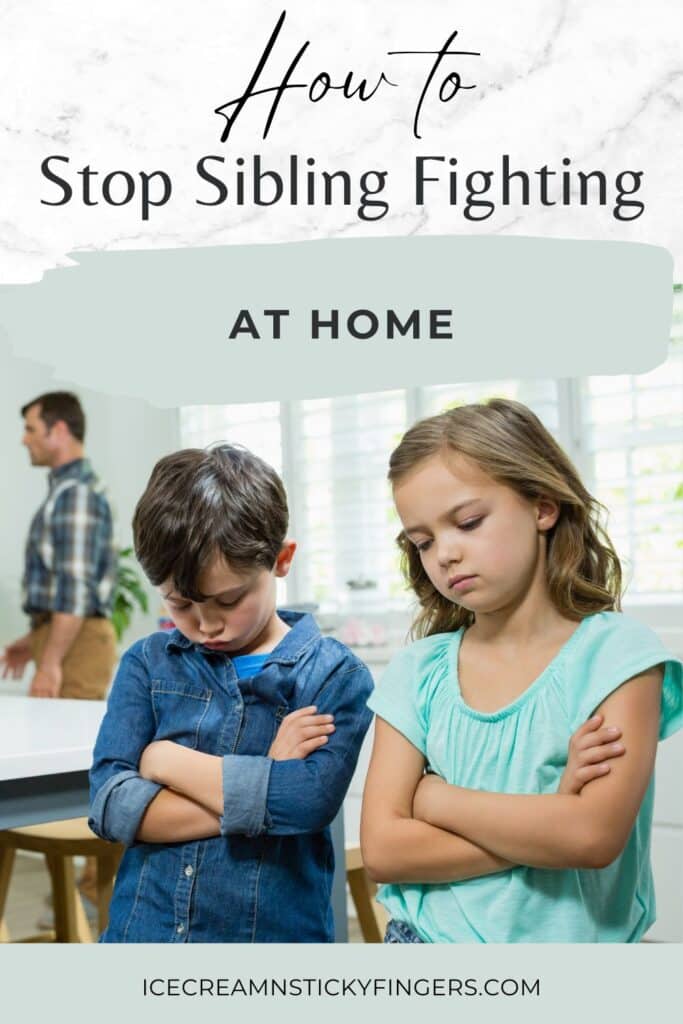
How to Stop Sibling Fighting at Home
If your kids can go from sharing crackers to screaming over whose elbow touched whose chair in less than 30 seconds, you are not alone. Figuring out how to stop sibling fighting can feel like a full-time job, especially when you are already juggling meals, school schedules, laundry, and everyone else’s emotions before your own.
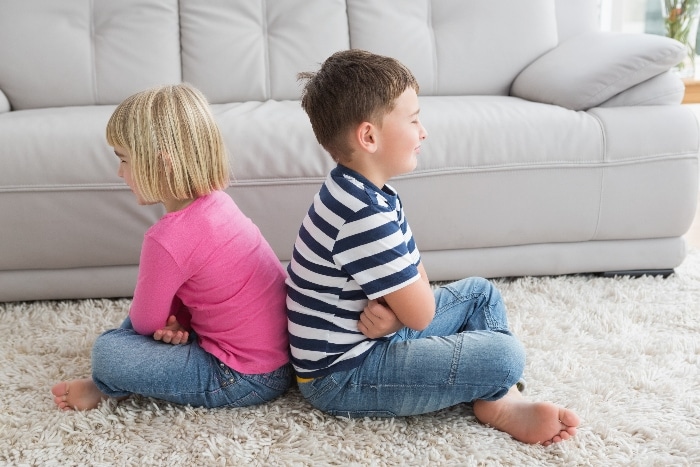
The hard part is that sibling conflict is normal. The exhausting part is how often it happens. Brothers and sisters fight because they are together a lot, they are still learning self-control, and they care deeply about fairness, attention, and personal space. That does not mean you have to accept constant chaos as the family default.
What helps most is not one magic script. It is a set of steady habits that lower the temperature in your home and teach kids what to do instead of hitting, tattling, yelling, grabbing, or keeping score.
How to Stop Sibling Fighting Starts Before the Fight
Most sibling fights do not begin with a huge issue. They build from hunger, boredom, transitions, noise, uneven attention, or two kids wanting the same thing at the same time. If you only step in once the shouting starts, you are always playing catch-up. But if you watch for cues of escalating behavior and learn how to stop sibling fighting before it starts, you can help create a calmer and more peaceful home.
Start by noticing patterns. Does the fighting flare up right before dinner, in the car, during screen time, or when one child is tired? Those details matter. A lot of conflict drops when you adjust the situation instead of trying to lecture better in the middle of a meltdown.
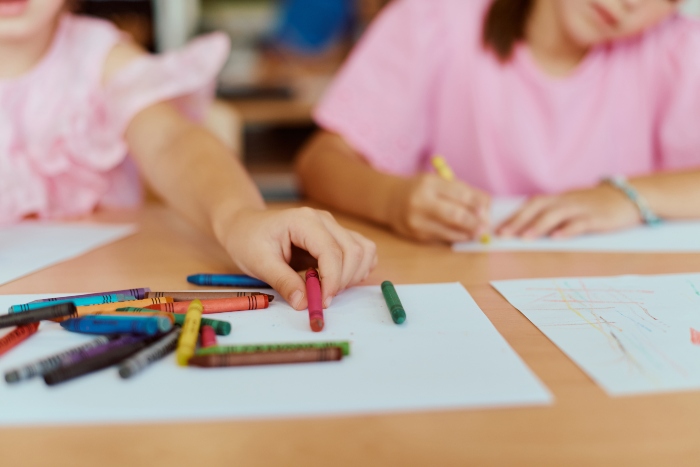
Sometimes that looks like separating kids for 20 minutes after school, offering a snack before homework, or setting up two activity stations instead of expecting them to peacefully share one set of markers for an hour. Prevention is not giving in. It is smart parenting.
Set a Few House Rules You Can Actually Enforce
When kids fight all day, it is tempting to create a long list of rules. In real life, fewer rules work better because everyone can remember them.
Aim for simple language like “No hitting,” “No name-calling,” and “Ask before taking.” If your children are young, adding visuals or repeating the rules often can help. If they are older, involve them in creating the rules so they feel some ownership.
The important part is consistency. If one child gets corrected for teasing but the other gets a pass because you are tired, kids notice. Fair does not always mean identical, but it does mean predictable.
Do Not Force Them to “Work It Out” When They Are Too Upset
A lot of parents have heard that kids need to solve problems on their own. That is true sometimes. It is not true when one child is screaming, the other is shoving, and both are too mad to think.
In that moment, your first job is safety and calm. Separate them if needed. Use a steady voice. Keep your words short. Something like, “You are both too upset right now. We are taking a break, and we will talk when everyone is calm,” usually works better than asking who started it.
Once the intensity comes down, then you can help them repair the problem. Timing matters. Trying to teach conflict resolution in the hottest moment usually backfires.
Teach the Skills That Fights Are Exposing
Sibling conflict is often a skills problem wearing a behavior problem costume. Kids may not know how to wait, ask for a turn, handle disappointment, read tone, or calm down when they feel wronged.
That means part of learning how to stop sibling fighting is teaching the exact words and actions you want to see. Practice phrases like, “I am using that,” “Can I have it when you’re done?” “I need space,” and “I don’t like that.” Role-playing these when everyone is calm can make a big difference.
It also helps to teach what to do with big feelings. Some kids need to stomp outside, squeeze a pillow, color quietly, or sit with you for a minute before they can talk. Emotional regulation is slow work, but it pays off.
What to Say During a Conflict
You do not need a perfect script, but a simple framework helps. Describe what you see without picking sides too fast. “You both want the same toy.” State the limit. “I won’t let you grab or hit.” Then guide the next step. “You can take turns, choose something else, or I can hold the toy until you decide calmly.”
That kind of response keeps you from becoming the referee of every tiny dispute while still staying in charge.

Avoid Labels That Trap Kids in Roles
Families fall into patterns fast. One child becomes “the aggressive one.” Another becomes “the sensitive one” or “the easy one.” Even when those labels seem harmless, kids tend to live up to them.
Try to talk about behavior, not identity. Say, “You hit your brother,” instead of, “You are so mean.” Say, “You are having a hard time sharing today,” instead of, “You never share.” Kids need room to do better without feeling stuck in a role.
This matters even more when siblings already compare themselves to each other. If one child hears praise all day for being calm, smart, or helpful, the other may act out just to claim some kind of place in the family.
Give Each Child Some Separate Attention
A surprising amount of sibling fighting is really competition for connection. Children do not always say, “I miss you” or “I need reassurance.” Sometimes they annoy their sister until she explodes, because any reaction feels better than being overlooked.
You do not need elaborate one-on-one outings every week. Ten focused minutes can go a long way. Read with one child while the other plays nearby. Let one help cook dinner. Sit on the edge of the bed and listen without multitasking.
When kids feel secure in their relationship with you, they are often less likely to battle each other for emotional airtime.
Watch Your Fairness Trap
Parents understandably want to be fair, but children often define fair as “exactly the same,” which is not always realistic or helpful. A 4-year-old and an 8-year-old should not have the same bedtime, privileges, or responsibilities.
Instead of defending every decision with a long explanation, try calm, confident language. “You both get what you need, and that may look different.” Over time, kids can learn that equality and fairness are not always identical.
That said, if one child truly is getting blamed more, interrupted more, or held to a higher standard, it is worth being honest about that. Parents are human. Small corrections in your own approach can ease a lot of resentment.
Use Consequences That Teach, Not Just Punish
When emotions are high, punishment can feel satisfying for about five minutes. Then the same fight happens again because nothing was learned.
Consequences work best when they connect directly to the behavior. If kids cannot share a game without screaming, the game goes away for a while. If one child keeps knocking down the other’s block tower, that child loses access to the play area until they can try again safely.
The goal is not to shame. It is to send a clear message that unsafe and disrespectful behavior changes what happens next.
When One Child is Always the Instigator
Sometimes the conflict is not evenly matched. A younger sibling may pester nonstop. An older sibling may use size, words, or social power to dominate. In those cases, avoid the automatic “you both need to apologize” response.
You can still care about both children while addressing the real problem clearly. Protecting the child who is being targeted is important. So is helping the instigator build better habits without turning them into the family villain.
How to Stop Sibling Fighting Without Expecting Them to Be Best Friends
One of the biggest pressure points for parents is the idea that siblings should naturally be close. Sometimes they are. Sometimes they are very different kids sharing a home, a bathroom, and your attention.
Your goal does not have to be constant friendship. A more realistic goal is respect, safety, and the ability to recover after conflict. If your children are not inseparable but can play together sometimes, give each other space, and make repairs after arguments, that is real progress.
It also helps to protect a little healthy distance. Not every activity needs to be shared. Separate interests, separate friends, and separate quiet spaces can reduce friction, not increase it.
Know When the Fighting Needs More Attention
Normal sibling conflict is loud, repetitive, and tiring. But some situations need a closer look. If fights are becoming aggressive, one child seems fearful of the other, conflict is constant despite consistent parenting, or a child has trouble regulating anger across settings, it may be time to talk with your pediatrician or a child therapist.
Getting support is not overreacting. Sometimes there are bigger issues under the surface, like anxiety, ADHD, sensory overload, or major stress in the family. A pro can also help you learn how to stop sibling fighting at home before the fights result in an injury or hurt feelings.
You are not failing because your kids fight. You are raising children who are still learning how to live with other people, handle frustration, and share your attention without falling apart. Some days will still be noisy. But with a few steady boundaries, a little prevention, and a lot of repetition, home can start to feel less like a battleground and more like a place where everyone gets a chance to reset and try again.