Toy Trends Parents Can Actually Use at Home
The toy aisle can make a parent feel like they are already behind. One child wants the character everyone is talking about, another is drawn to a toy that lights up from three aisles away, and you are wondering whether either one will still matter after Saturday afternoon. The best toy trends are not about buying everything new. They are about noticing what kinds of play are catching on, then choosing what genuinely works for your child, your space, and your budget.

A trend can be useful when it gives you a fresh way to encourage independent play, movement, imagination, or connection. It can also be a very expensive five-minute distraction. The difference usually comes down to how a toy fits into real family life. Let’s take a look at some popular toys trends this Holiday season.
Toy Trends Worth Watching This Year
Open-Ended Play is Still Winning
Parents are increasingly choosing toys that can grow with a child instead of toys that only do one thing. Magnetic tiles (aff link), building bricks, wooden blocks, play silks, figurines, and simple cars are not new ideas, but they remain popular for a reason. A preschooler may use them to make a tower, while an older sibling turns the same pieces into a garage, a castle, or a whole tiny neighborhood.
This kind of play does not need an instruction manual every time. That matters on the days when you are packing lunches, answering work messages, or just trying to make dinner without being asked for a new activity every six minutes.
Open-ended toys do cost more upfront sometimes, especially if you are buying a quality set. Before adding one to your cart, consider whether it can be combined with toys your child already owns. A small set of magnetic tiles that works with an existing collection may be more useful than a giant new set that takes over the living room.
Collectibles are Big, But Boundaries Help
Mini figures, surprise toys, trading cards, tiny food replicas (aff link), and character-based collectibles continue to have a strong pull with elementary-age kids. There is a social piece to these toy trends: children enjoy comparing what they found, trading with friends, and hunting for a missing character.
That does not mean every collection needs to become a household project. Collectibles can be a fun birthday gift, reward, or special occasion purchase, but frequent blind bags and mystery toys can become frustrating fast. Kids may get duplicates, parents may spend more than planned, and tiny pieces have a way of appearing under bare feet.
A simple family rule can keep the fun without turning it into constant asking. You might set a small collection limit, use a clear container that holds only what fits, or save mystery items for holidays and trips. When the container is full, your child can decide what to keep, trade, or pass along.
Pretend Play is Becoming More Detailed
Kids still love a toy kitchen, dollhouse, doctor kit, or workbench. What is changing is the level of detail. Many children are drawn to miniature grocery stores, animal clinics, coffee shops, food trucks, beauty salons, and camping sets that mirror the places they see with their families.
Pretend play gives children a safe way to rehearse the world. When your child takes your order at an imaginary restaurant or gives a stuffed animal a checkup, they are practicing language, empathy, problem-solving, and confidence. You do not need a themed playroom to support it.
A basket with a few dress-up pieces, empty food containers, stuffed animals, play money, and a notepad can create hours of play. Rotating the setup can make it feel new. One week it is a bakery; the next, it is a veterinarian’s office. For busy parents, this is one of the easiest trends to borrow without buying a lot.
Screen-Connected Toys Need a Family Check-In
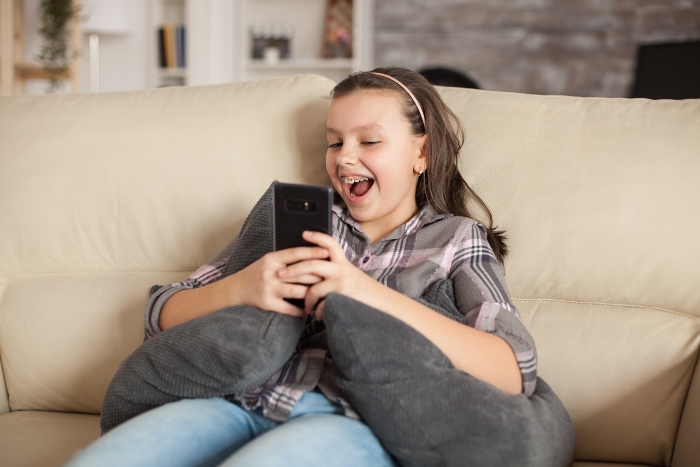
Some newer toys connect to apps, play audio, respond to voices, or blend physical play with digital games. These can be entertaining and sometimes educational, especially for older kids who enjoy coding, music, science, or creative storytelling.
But a toy does not automatically become better because it has an app. Ask a few practical questions before bringing one home: Does it work without a subscription? Will my child need adult help every time? Is the screen adding a meaningful activity, or is it simply keeping them watching? And will we still have a place to charge, store, and use it a month from now?
For many families, the sweet spot is a toy that starts with hands-on play and uses technology as an optional extra. A coding robot that gets kids moving around the floor can be a great fit. A toy that requires a parent to troubleshoot Bluetooth before breakfast may not be.
Active Toys Are Helpful, Especially Indoors
Movement-based toys are having a moment, and parents can understand why. Kids have energy to burn, whether it is too hot for the playground, raining all weekend, or everyone has been inside after school for too long. Balance boards, stepping stones, indoor obstacle-course pieces, dance games, scooters (aff link), and kid-friendly sports equipment can all turn a restless afternoon into something more manageable.
The trade-off is space and safety. A giant climbing structure may look wonderful online but feel impossible in a small living room. Before buying, measure the area where it will actually be used. Think about ceiling height, hard furniture edges, younger siblings, and where the toy will go when company comes over.
You can also create active play with what you have. Painter’s tape can become a balance beam. Couch cushions can be a jumping path. A hallway can host a scavenger hunt. The goal is not to turn your home into a gym. It is to give kids a safe outlet when their bodies need to move.
How to Choose Toys Without Adding More Clutter
The most useful toy trends are the ones you can adapt, not the ones that pressure you to keep up. Before you buy, picture a regular Tuesday. Will your child reach for this toy without a big setup? Can they use it independently for at least a few minutes? Does it fit their current interests and abilities rather than the age printed on the box?
It also helps to pay attention to your child’s play style. Some kids love building and creating. Some want to act out stories with dolls, animals, and costumes. Others need sensory play, art supplies, or something physical to do. A popular toy that does not match the way your child naturally plays is still likely to sit untouched.
When possible, try a test run before purchasing a larger item. Borrow from a friend, check whether a local toy library offers it, or watch how your child engages with a similar toy at daycare, a playdate, or a relative’s house. This is especially helpful with pricey ride-on toys, building systems, and electronic gadgets.
Make New Toys Feel More Manageable
You do not have to display every toy all the time. Toy rotation is one of the simplest ways to make a play area feel less chaotic. Keep a small selection available and put the rest in labeled bins or a closet. Every week or two, switch a few items out. Kids often greet an old puzzle, train set, or pretend-play accessory like it is brand new.
If a birthday or holiday is coming, make room before more toys arrive. Invite your child to choose a few gently used items to donate, share with younger cousins, or sell at a neighborhood sale. This can be emotional for children, so avoid forcing a fast cleanout. Give them choices and let them keep the toys that truly matter.
A helpful gift list can also make conversations with family easier. Include a mix of price points and focus on items that complement what your child already enjoys. One well-chosen building set, art kit, or outdoor toy can bring more lasting play than several random items.
The toy that becomes a favorite may not be the one with the biggest box or the most exciting commercial. It may be the set of blocks your child uses in ten different ways, the stuffed animal that goes everywhere, or the simple game that gets everyone laughing after dinner. Follow your child’s curiosity, leave room for ordinary play, and let the trends serve your family instead of running your home. Grab some of these top toy trends and get your child a gift he or she will actually use.