
Family Travel Trends 2026 for Busy Parents
The family vacation is getting a little less picture-perfect in 2026, and honestly, that is good news. The biggest family travel trends 2026 point toward trips that work with real life: nap schedules, tight budgets, sensory needs, picky eaters, rainy afternoons, and parents who would also like to enjoy the vacation they planned.
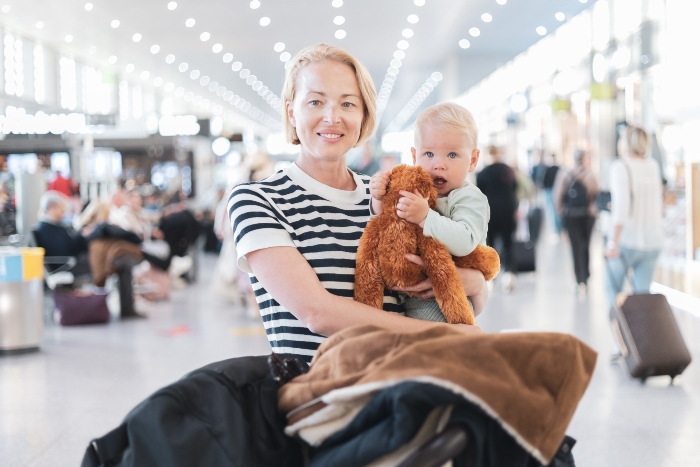
For many families, the goal is no longer checking off every attraction in a city. It is coming home with a few happy memories, fewer meltdowns, and maybe a family photo where nobody is crying. Here is what is shaping family travel this year and how to use those trends to plan a getaway that feels worth the effort. Let’s take a look at the family travel trends 2026.
Family Travel Trends 2026 Are More Flexible
Parents are moving away from packed itineraries and toward travel plans with breathing room. That might mean spending a full week in one destination instead of changing hotels every two nights, booking a rental with a kitchen, or scheduling only one major activity each day.
This slower style of travel is not about doing nothing. It is about leaving room for the things families cannot always predict. Your toddler may need a long nap. Your elementary-aged child may be fascinated by the hotel pool and want to stay there all afternoon. Someone may wake up with a stomachache, or everyone may simply need an hour of quiet after a busy morning.
A practical way to build this flexibility is to make one nonnegotiable plan per day. If you have tickets to a museum at 10 a.m., keep the afternoon open. If the plan is a beach day, skip the pressure to add a fancy dinner reservation afterward. A vacation does not have to be packed to be meaningful.
One-home-base Trips are Gaining Ground
Families are increasingly choosing destinations where they can settle in rather than constantly repack. A condo near the beach, a cabin outside a national park, or a hotel within walking distance of a few attractions can simplify the whole experience.
One home base is especially helpful when traveling with babies, toddlers, or multiple children. You learn the parking situation once. You find the closest grocery store once. You stop having the same conversation about where everyone left their shoes every morning. For DFW families, this can make a drivable weekend getaway feel just as restorative as a more complicated flight-based trip.
There is a trade-off, of course. Staying in one place may mean seeing less of a region. But with kids, seeing less often means enjoying more.
Value Matters More Than a Rock-Bottom Price
Families are still watching costs closely, but cheap is not always the same as affordable. A low nightly hotel rate can quickly lose its appeal when it comes with paid parking, no breakfast, an expensive restaurant, and a cramped room where nobody sleeps well.
In 2026, parents are putting more thought into the total cost of a trip. They are comparing whether a suite with a kitchenette saves money on meals, whether a slightly more expensive nonstop flight prevents a miserable connection, and whether an attraction pass actually matches what their children can handle in a day.
Before booking, estimate the costs that tend to sneak up on families: baggage fees, airport meals, tips, parking, rental car seats, resort fees, snacks, and one or two backup activities for bad weather. You do not need a color-coded spreadsheet to do this well. A simple total for transportation, lodging, food, activities, and extras can keep a bargain trip from becoming a financial headache.
Shorter Trips Can Still Feel Special
The three- or four-night getaway is becoming a smart choice for busy families. It requires less time off work, less packing, and less money, while still giving everyone a change of scenery.
A shorter trip works best when expectations stay realistic. Do not try to recreate a seven-day vacation in a long weekend. Pick one anchor experience, such as a water park, zoo, children’s museum, beach, or family-friendly resort, then let the rest of the trip stay easy. A hotel breakfast, a late checkout, and a stop for ice cream can be part of the fun too.
Kid-Friendly Does Not Mean Kids-Only
One of the most encouraging family travel trends 2026 is the growing focus on trips that give parents something to enjoy as well. Families are looking for places with playgrounds and pools, yes, but also walkable downtowns, good food, comfortable lodging, nature trails, and room for grown-ups to relax after bedtime.
This does not mean children need to be entertained every minute. In fact, many parents are finding that simple experiences travel well. Let kids choose a bakery treat, hunt for interesting shells, take photos of silly signs, or pick one souvenir under a set budget. When children have a little ownership, they are often more patient during the parts of the trip they did not choose.
For families with different ages, look for destinations with built-in options. A lake town may offer easy hiking for older kids, shallow water play for younger ones, and a porch where adults can drink coffee while everyone resets. The best destination depends on your children, not on what looks impressive online.
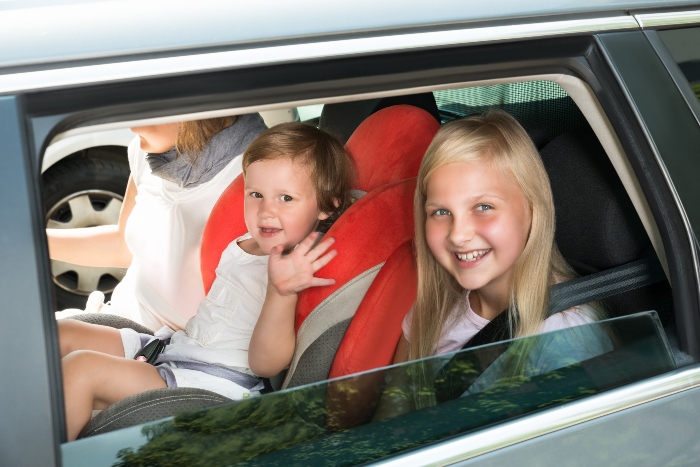
Nature Trips Are Becoming More Comfortable
Outdoor travel continues to appeal to families who want lower-cost entertainment and less screen time. But the version many parents want is not necessarily rugged camping with a toddler in a tent during a thunderstorm.
Think cabins, glamping sites, state park lodges, RV stays, ranch-style getaways, and hotels near trails or lakes. These options can offer nature without requiring every parent to become an expert outdoors person overnight.
The key is matching the setting to your family’s tolerance for inconvenience. If your kids are very young, choose a place with nearby bathrooms, reliable climate control, and a quick route to food. If your children are older and excited about adventure, a more remote experience may be exactly what they remember most.
Bring familiar comforts for outdoor trips: the bedtime stuffed animal, easy breakfast foods, bug spray your kids will tolerate, extra socks, a basic first-aid kit, and a few calm car activities. Nature is more fun when everyone is not itchy, hungry, and overstimulated.
Families Are Planning for Sensory Needs and Downtime
Parents are becoming more open about the fact that travel can be hard on children who struggle with noise, transitions, crowds, unfamiliar food, or disrupted routines. That awareness is leading to more thoughtful choices, not less travel.
If your child does better with predictability, talk through the trip before you leave. Show them photos of the hotel, explain what airport security is like, or make a simple visual schedule for travel day. Pack headphones, familiar snacks, a comfort item, and a change of clothes within easy reach.
Downtime matters for every child, not only children with diagnosed sensory differences. Build in a quiet hour at the hotel after lunch or before dinner. It may feel strange to pause when you have paid to be somewhere exciting, but that pause can prevent the evening from falling apart.
Travel Planning Is Becoming a Family Skill
More parents are involving kids in planning in age-appropriate ways. A preschooler can choose between two restaurants. A school-aged child can help pick an activity or track a small vacation spending budget. Teens can research a neighborhood, map out a food stop, or plan a morning of the trip.
Giving children a voice does not mean handing over the itinerary. It means helping them practice decision-making while making the trip feel like something the family is doing together. It can also cut down on complaints when the answer to why are we doing this is, because you picked it.
Keep choices limited. Too many options can overwhelm kids and create more debate than excitement. Offer two or three choices you can genuinely live with, then let them decide.
How to Plan Around the Trends Without Overthinking It
You do not need to rebuild your entire vacation strategy. Start by asking a few honest questions: What usually makes travel difficult for our family? What helps our kids regulate? What would make this trip feel restful for the adults too?
Then choose the spending priorities that solve your biggest problems. For one family, that may be a nonstop flight. For another, it may be a room with a separate sleeping area, a rental car, or lodging close enough to walk back for naps. Spending a little more in the right place can save a lot of stress later.
Finally, leave space for the ordinary moments. Kids may remember the hotel waffle maker, the goofy roadside attraction, or the night everyone played cards in pajamas more clearly than the expensive outing. Plan enough to feel prepared, then let the trip have a little room to become your family’s own story. Don’t overthink your family travel trends 2026.